









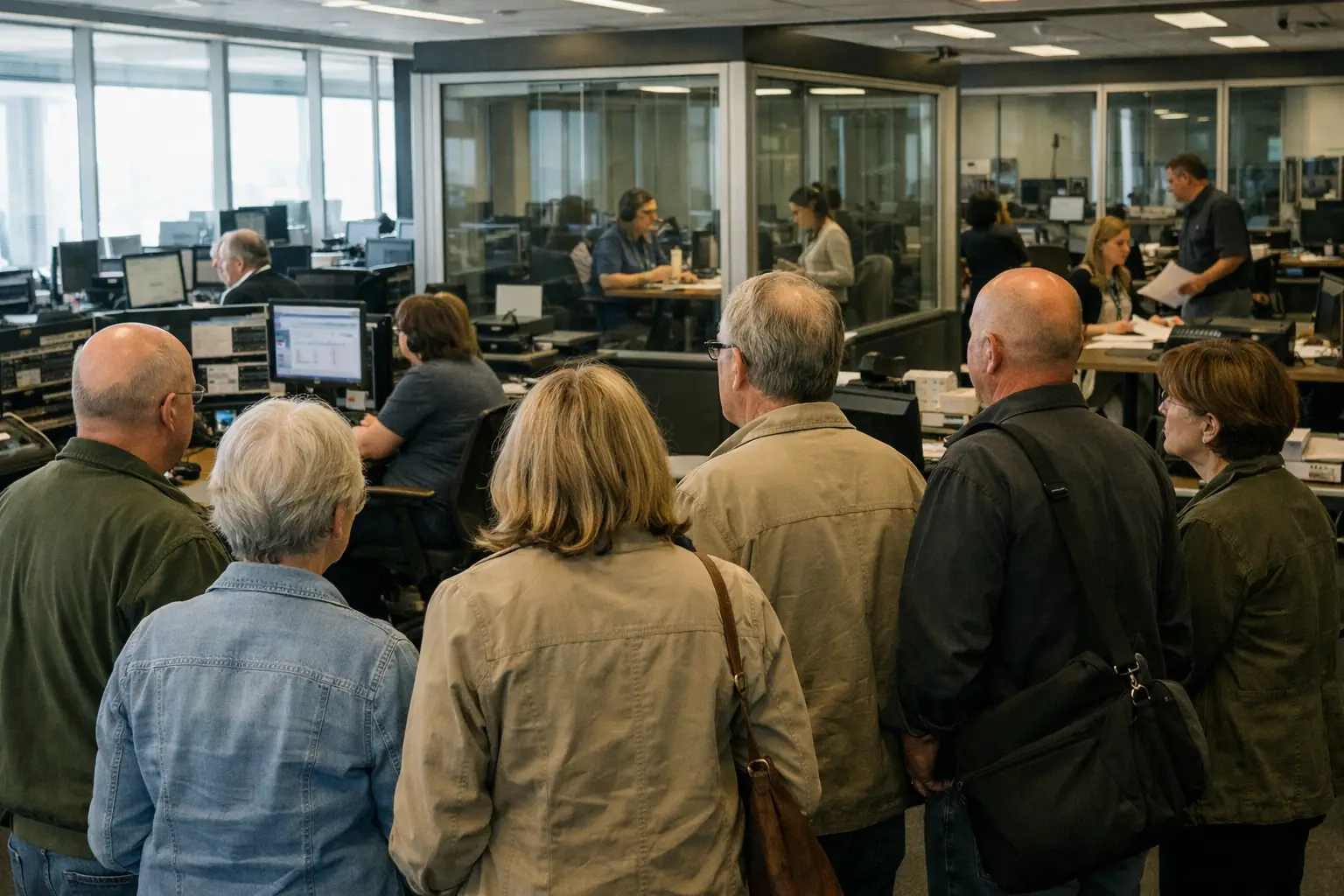
NPR is inviting audiences to enter a contest for a chance to visit its headquarters and see the organization’s news operation from the inside. The offer, promoted by NPR, centers on direct access to the people and spaces behind its reporting, with participants given the possibility of meeting journalists in person and observing how public media is produced.
The announcement is brief, but its editorial significance lies in what it represents for public media: an effort to bring listeners and readers closer to the institutions they rely on for news. At a time when news organizations face intense scrutiny over trust, transparency and funding, opening the doors of a newsroom is more than a promotional gesture. It offers audiences a tangible view of editorial work that is often experienced only through broadcasts, podcasts, articles and apps.
For journalism, such initiatives can help explain the processes that shape daily coverage: how stories are selected, how interviews are conducted, how editorial standards are applied and how teams coordinate across desks. The contest does not replace formal media literacy programs, but it points to a broader trend among newsrooms seeking to make their work more visible. In public broadcasting, where civic purpose and audience service are central, that visibility can be an important part of maintaining a relationship with the public.
NPR has built its identity around national reporting, local station partnerships and audio journalism, making its headquarters a symbolic space for many listeners in the United States. A visit of this kind would allow a winner to connect the finished product with the editorial environment where it is made. The promotion also reflects how media organizations increasingly use experiential opportunities to deepen audience engagement beyond donations, subscriptions or passive listening.
The contest details made public in the announcement are limited to the core offer: a chance to enter, visit headquarters, meet journalists and experience public media from within. No additional terms are included in the material provided. Even so, the initiative highlights a clear editorial message: in an era of fragmented information and declining confidence in institutions, showing how news is made can be as important as publishing the news itself.