








For many years, climate policy focused primarily on reducing greenhouse gas emissions. Governments introduced measures to expand renewable energy, improve energy efficiency and lower carbon emissions, with the objective of limiting long-term global warming. While these efforts remain central, a second challenge has become increasingly urgent: adapting to the effects of climate change that are already occurring.
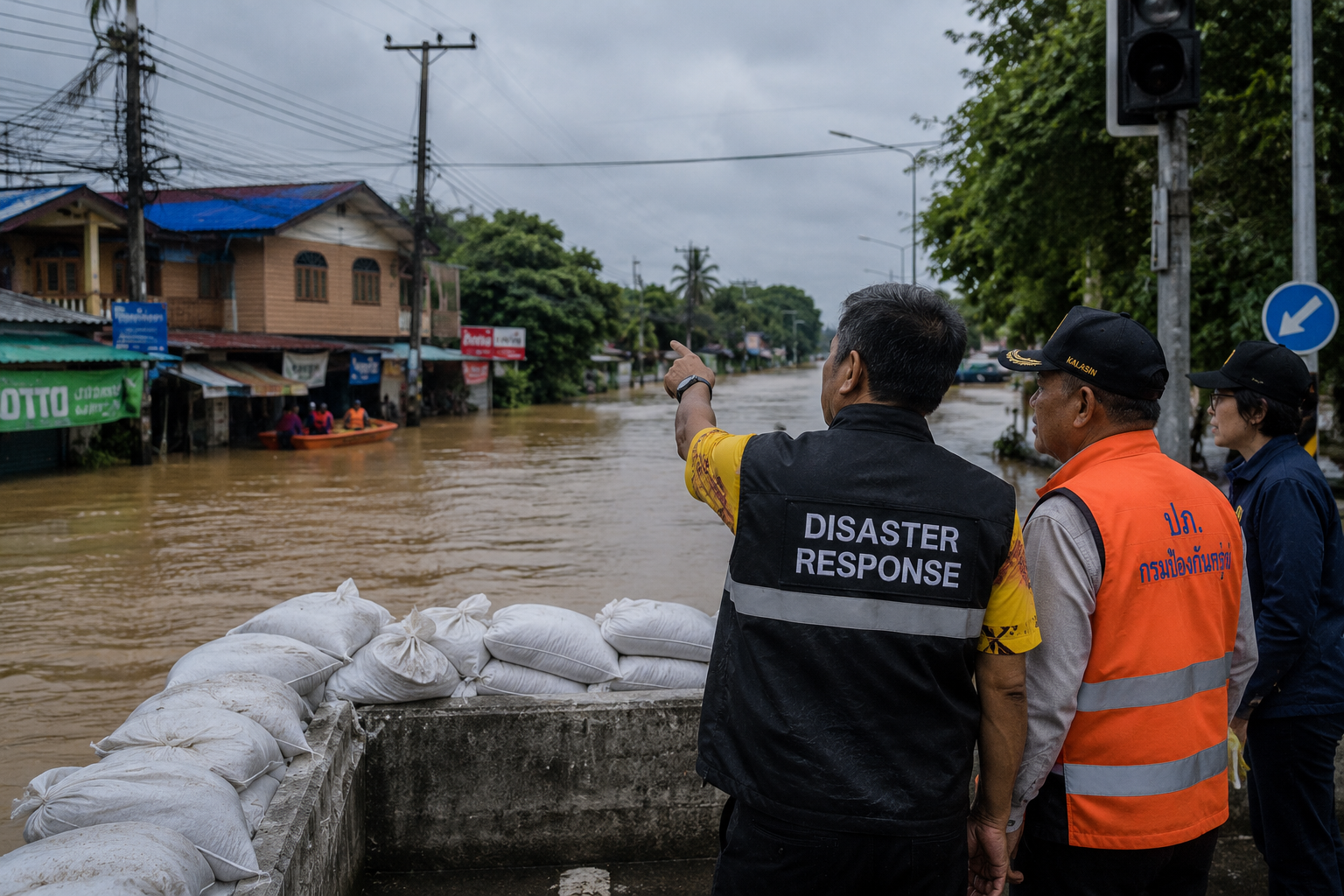
Heatwaves, floods, droughts, wildfires and coastal erosion are affecting a growing number of regions. These events are no longer viewed solely as environmental issues but as factors that influence public health, infrastructure, economic activity and public finances. As their frequency and intensity increase in many parts of the world, governments are under growing pressure to ensure that communities can continue to function under changing conditions.
This shift is changing the way climate policy is designed. Reducing emissions is intended to limit future warming, while adaptation focuses on preparing societies for the impacts that can no longer be avoided. The two approaches are increasingly treated as complementary rather than separate objectives.
Urban areas illustrate this transformation clearly. Many cities are investing in green spaces, flood protection systems, heat-resistant public infrastructure and redesigned public spaces that reduce the effects of extreme temperatures. Urban planning now incorporates climate projections alongside traditional considerations such as population growth and transportation.
Water management has also become a strategic priority. Longer periods of drought are affecting agriculture, industry and household consumption in some regions, while more intense rainfall increases the risk of flooding in others. Governments are expanding reservoirs, modernizing drainage systems and improving water conservation policies to respond to increasingly variable conditions.
Critical infrastructure requires similar adjustments. Roads, railways, bridges, electricity networks and communication systems were often designed using historical climate patterns that may no longer reflect future conditions. Modernization projects increasingly include resilience standards intended to reduce disruption during extreme weather events.
Agriculture represents another sector undergoing significant adaptation. Farmers are adjusting planting calendars, introducing drought-resistant crop varieties and investing in more efficient irrigation systems. Public authorities support many of these changes through research, financial incentives and technical assistance programs designed to improve long-term resilience.
Healthcare systems are adapting as well. Extended heatwaves place additional pressure on hospitals and emergency services, particularly among older adults and people with chronic illnesses. Public health agencies are expanding early warning systems, emergency response plans and community support programs to reduce health risks during extreme weather events.
Climate adaptation also carries important financial implications. Preventive investments in resilient infrastructure and disaster preparedness require substantial public funding, but they may reduce the long-term economic costs associated with repeated damage and emergency response. Governments increasingly evaluate adaptation not only as an environmental priority but also as a component of fiscal planning and economic resilience.
The pace of adaptation varies across countries. Differences in financial resources, institutional capacity and geographic exposure influence how governments respond to climate risks. International cooperation, development financing and scientific research continue to support adaptation efforts, particularly in regions facing greater environmental vulnerability.
Climate adaptation has therefore become more than an environmental policy objective. It has evolved into a practical measure of governmental capacity to anticipate long-term risks, protect essential infrastructure and maintain public services under changing conditions. As climate impacts become more visible, adaptation is increasingly assessed not by long-term commitments alone, but by the resilience of the systems people rely on every day.