








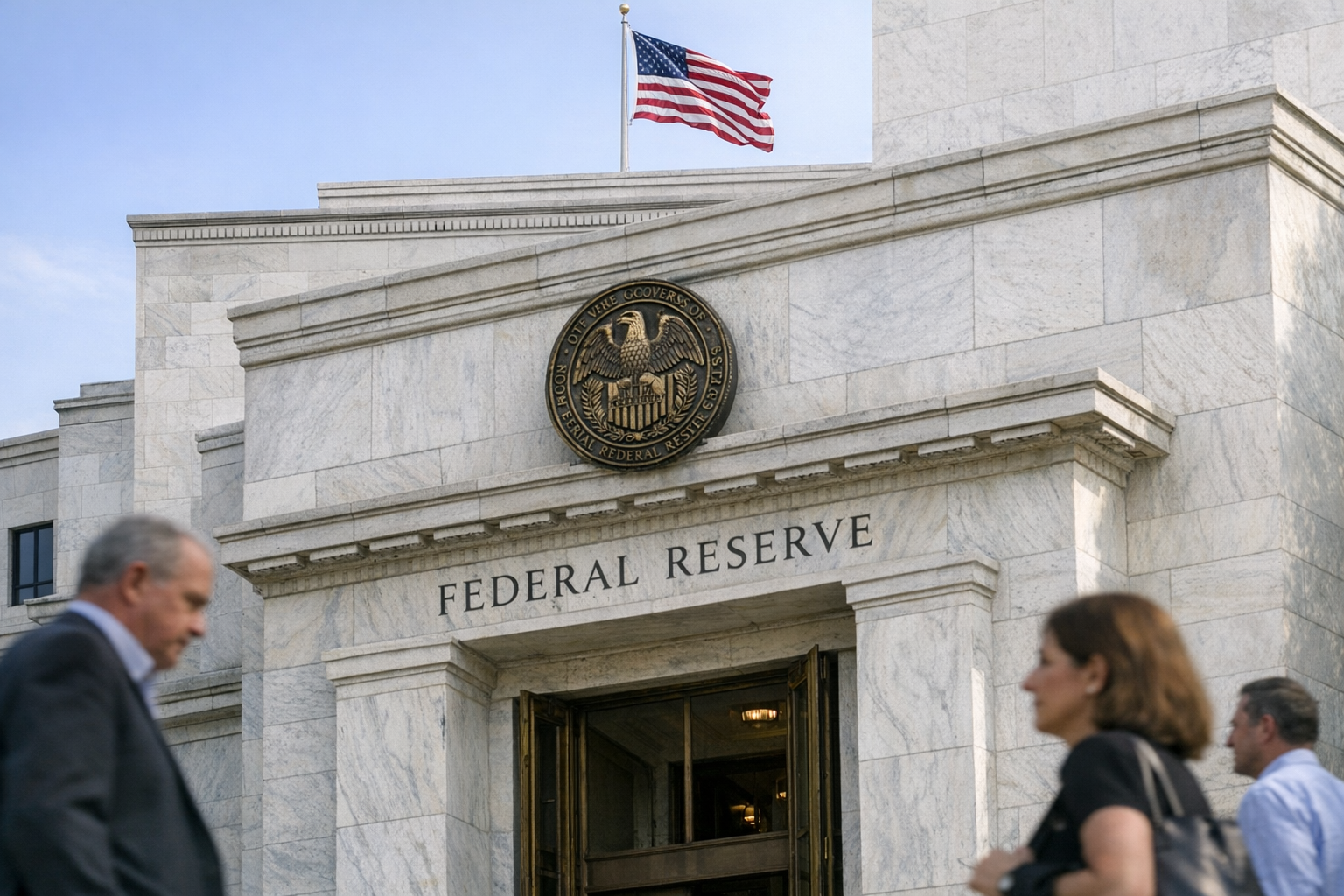
Donald Trump has resumed efforts to remove Lisa Cook from her position as a governor of the Federal Reserve, two months after the Supreme Court blocked an earlier attempt. The renewed action is described by the administration as part of a broader push to install allies on the central bank’s board. Officials involved have framed the moves as efforts to influence the composition of the institution that sets U.S. monetary policy.
Lisa Cook was appointed to the Board of Governors and serves a term that, under statutory provisions, is fixed unless cause for removal is established. The previous attempt to remove her was halted when the Supreme Court intervened, citing legal questions about the grounds and process used in that effort. The court’s decision has not been publicly amended, prompting the administration to pursue alternative measures to effect a personnel change.
Federal Reserve statutes and precedent set constraints on the removal of sitting governors, and legal experts have previously noted that such actions raise constitutional and administrative law issues. The administration’s renewed effort follows those legal thresholds and is expected to prompt additional scrutiny. Past disputes over Federal Reserve governance have led to litigation and public debate about the proper balance between executive influence and central bank independence.
Donald Trump‘s stated objective of placing allies on the central bank’s board aligns with efforts by some administrations to shape policy through appointments. The current maneuver to remove a sitting governor constitutes a notable escalation after the earlier judicial rebuke. Observers will be monitoring subsequent filings, administrative steps and any responses from the Federal Reserve itself as the situation develops and as interested parties consider legal and institutional options.