







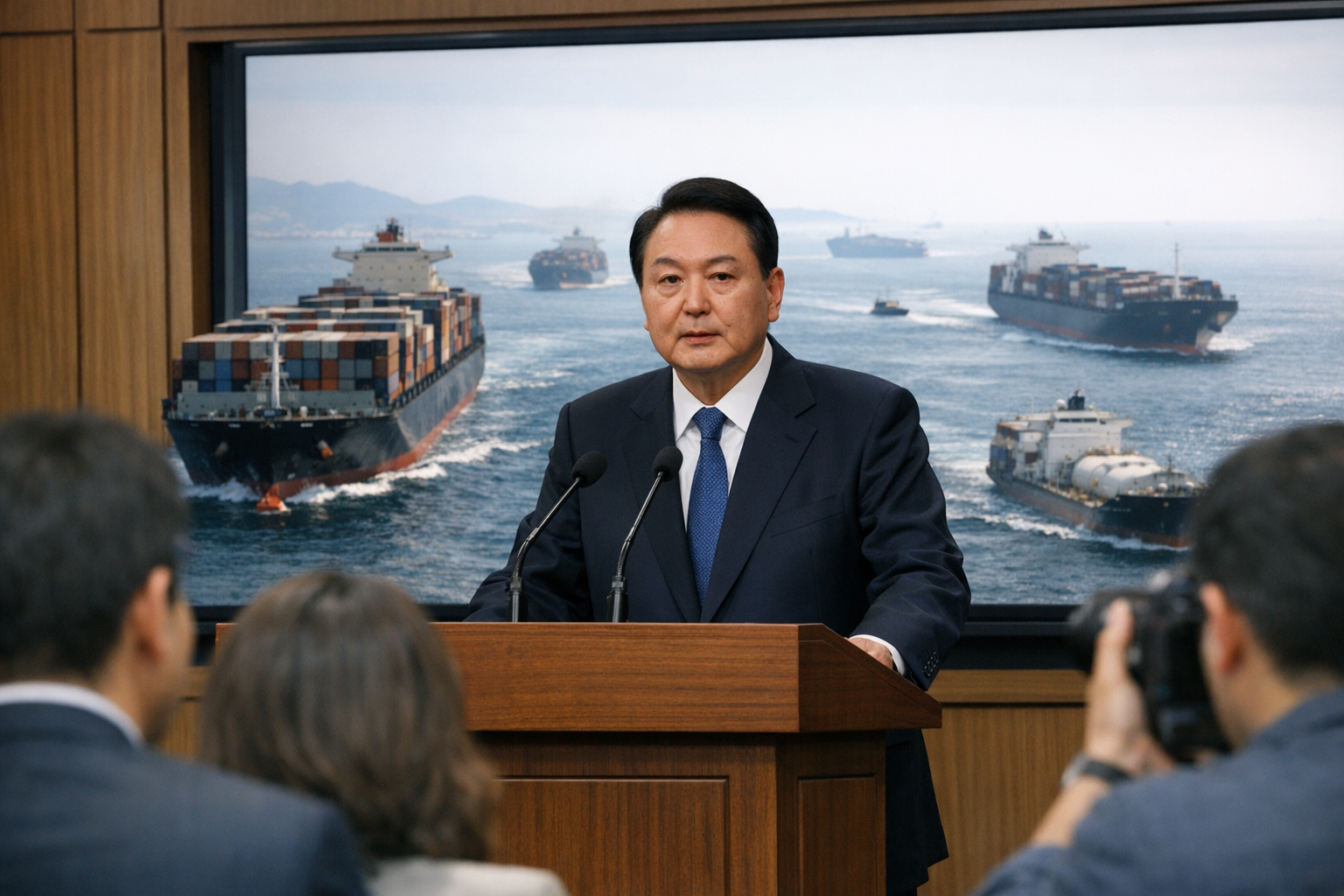
South Korean President Lee Jae Myung on Friday made clear that he will not commit the nation’s armed forces to operations in the Middle East that could draw South Korea into hostilities. The announcement frames a narrower role for Seoul amid rising regional tensions: the government said it is assessing measures to strengthen maritime security and protect commercial navigation without engaging in combat operations.
The administration stressed that options under review would focus on non-combat contributions such as escorts, logistics support and enhanced coordination with international partners. Seoul has a history of overseas naval deployments for security purposes: South Korea has maintained a maritime presence off the coast of Somalia as part of anti-piracy efforts, showing the country’s preference for missions framed around protection and stability rather than direct engagement in foreign wars.
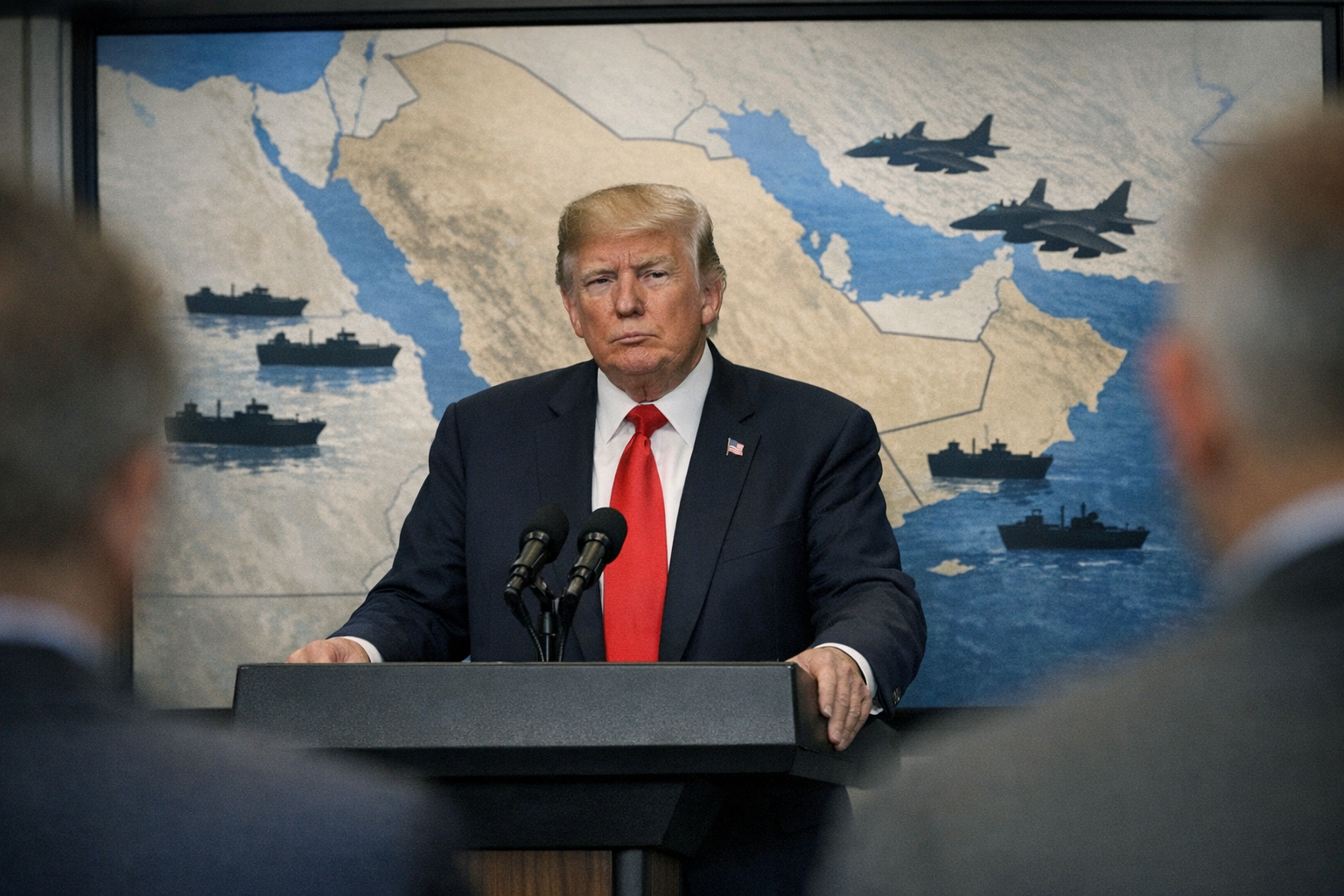
The decision also follows prior diplomatic pressure from allies urging a more active role in regional security. Seoul has previously resisted calls from US President Donald Trump for expanded military involvement tied to tensions with Iran, preferring measures that limit exposure to armed confrontation while safeguarding economic and shipping interests. Officials say any new mission would be judged against legal mandates, parliamentary oversight and the government’s stated threshold for involvement.
Analysts note that South Korea’s trade-dependent economy makes secure sea lanes a strategic priority, and that non-combat contributions can range from intelligence sharing to participation in multinational escort arrangements. The government’s review aims to reconcile those economic imperatives with public and political concerns about entanglement in distant conflicts. Any final policy will shape Seoul’s posture toward coalition efforts and influence its diplomatic relationships in the Middle East and with key partners in Washington and beyond.