







Senate hearings this week focused on the origins of the Covid-19 pandemic and on the availability of evidence needed for international investigations. The session included testimony and procedural moves that underscored persistent disagreements between elected officials and public health officials over what remains known about the virus’s emergence and what records should be made accessible to independent investigators.
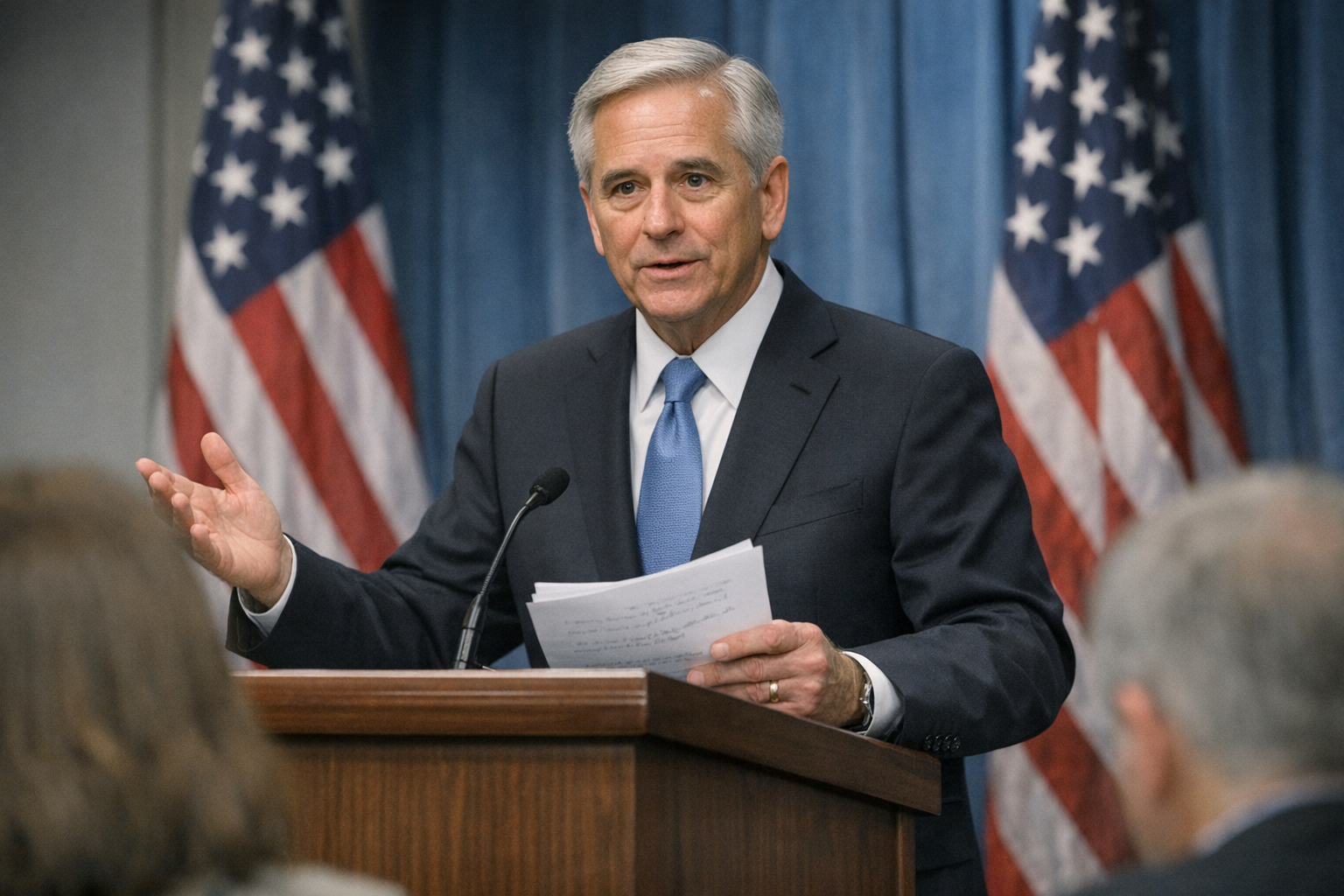
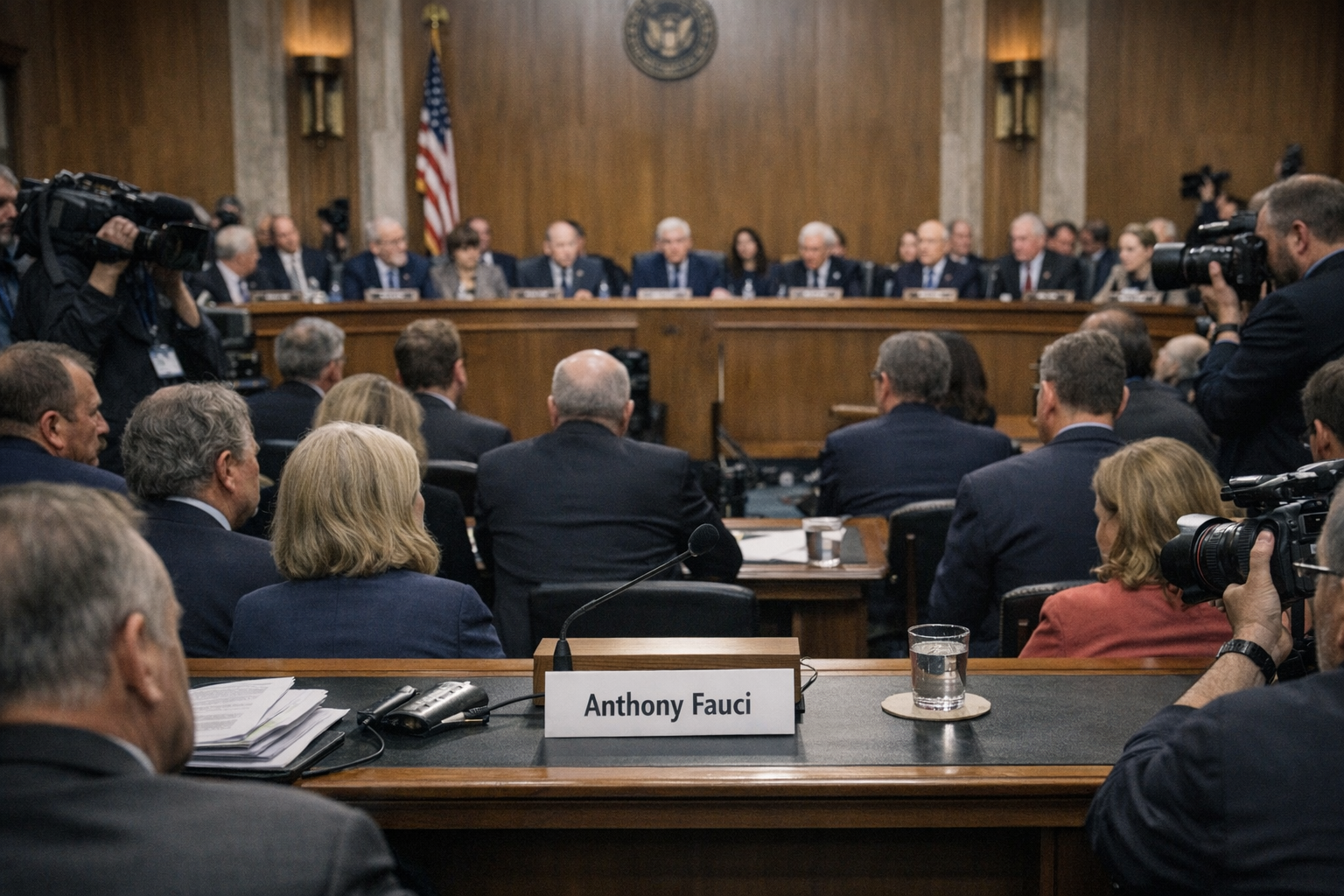
The committee voted to hold Anthony Fauci in contempt after he declined to answer certain questions by invoking his Fifth Amendment right. The contempt vote followed public exchanges between committee members and the witness, including statements by Rand Paul and other legislators pressing for additional testimony and documentation related to early U.S. research funding and pandemic response coordination.
Separately, multiple international reports and public records indicate that the Covid-19 outbreak began in Wuhan, and that the Chinese government initially restricted information flow during the early weeks of the epidemic. Investigators from the World Health Organization reported access constraints during early missions, and subsequent reporting described limitations on direct inspection of laboratory records, restricted interviews with local scientists, and constraints on data sharing. Allegations of whistleblower suppression and economic pressure on countries seeking independent probes have been documented in diplomatic and media accounts.
Public health authorities and international observers have repeatedly emphasized that resolving questions about the pandemic’s origins requires access to primary data, transparent records of early cases and laboratory activities, and cooperative international inquiry. The contested congressional proceedings, and the continuing refusal by some parties to provide full access to records, underscore the diplomatic and scientific challenges that persist. Efforts to locate and analyze original data, coordinate cross-border scientific review, and strengthen mechanisms for rapid information sharing are central to the positions advanced by researchers and some governments working to prevent future zoonotic or laboratory-associated outbreaks.