
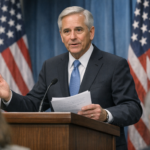






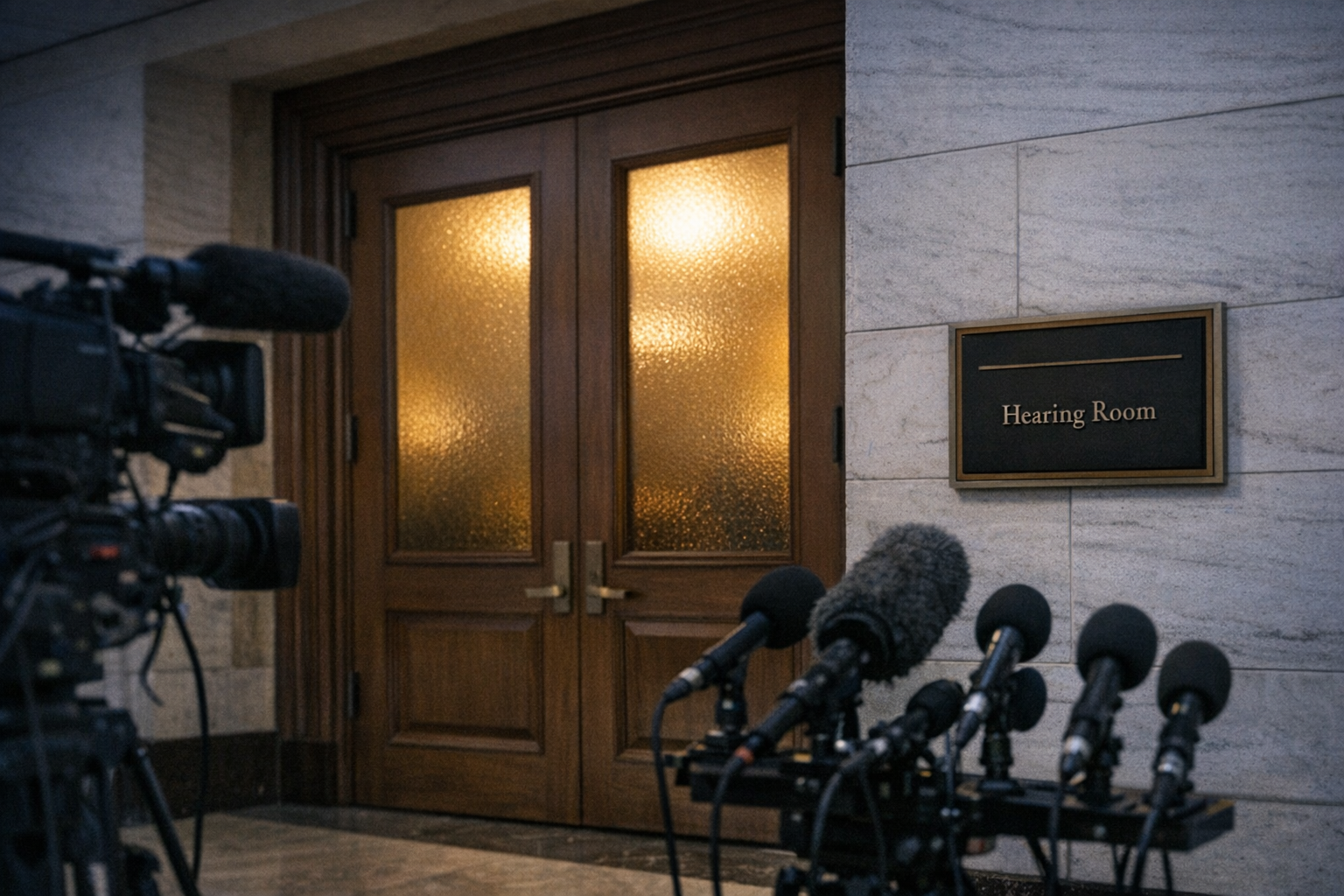
The Senate committee hearings convened last week focused on the origins of the Covid-19 pandemic and the scope of information available to U.S. policymakers. During public testimony, Anthony Fauci invoked his Fifth Amendment right and, according to the committee, was subsequently held in contempt of Congress. The sessions underscored partisan divisions within the chamber and revived debate about the adequacy of early domestic and international public health responses.
Investigations into the emergence of SARS-CoV-2 have emphasized obstacles encountered in the pandemic’s earliest days. Observers and international agencies reported that authorities in China limited public disclosure in the initial weeks following the first identified cases in Wuhan, and that World Health Organization teams experienced restricted access while attempting to document early transmission patterns. Those constraints have been cited by governments and researchers as factors that complicated early global risk assessments and delayed some international responses.
The question of how the virus first crossed into humans remains unresolved in parts of the scientific and policy communities. Researchers and national authorities continue to weigh competing hypotheses, including natural zoonotic spillover and the possibility of a laboratory-associated incident. Many governments and independent scientists have called for further access to laboratory records, clinical data, and biological samples from facilities in and around Wuhan, requests that have so far met with varying degrees of cooperation.
Proponents of additional inquiries say clarifying the origin is important for improving surveillance and prevention measures, while critics argue that politicized hearings risk distracting from current pandemic preparedness needs. The recent contempt action involving Anthony Fauci has intensified scrutiny of how U.S. oversight bodies pursue answers, and whether those efforts will translate into new international agreements on transparency and data sharing.
International organizations, national public health agencies and scientific teams continue to press for comprehensive, verifiable data to advance understanding. Entities such as the World Health Organization and multiple research consortia maintain that cooperative, evidence-based investigations are necessary to close remaining knowledge gaps and to inform policies aimed at preventing future outbreaks.