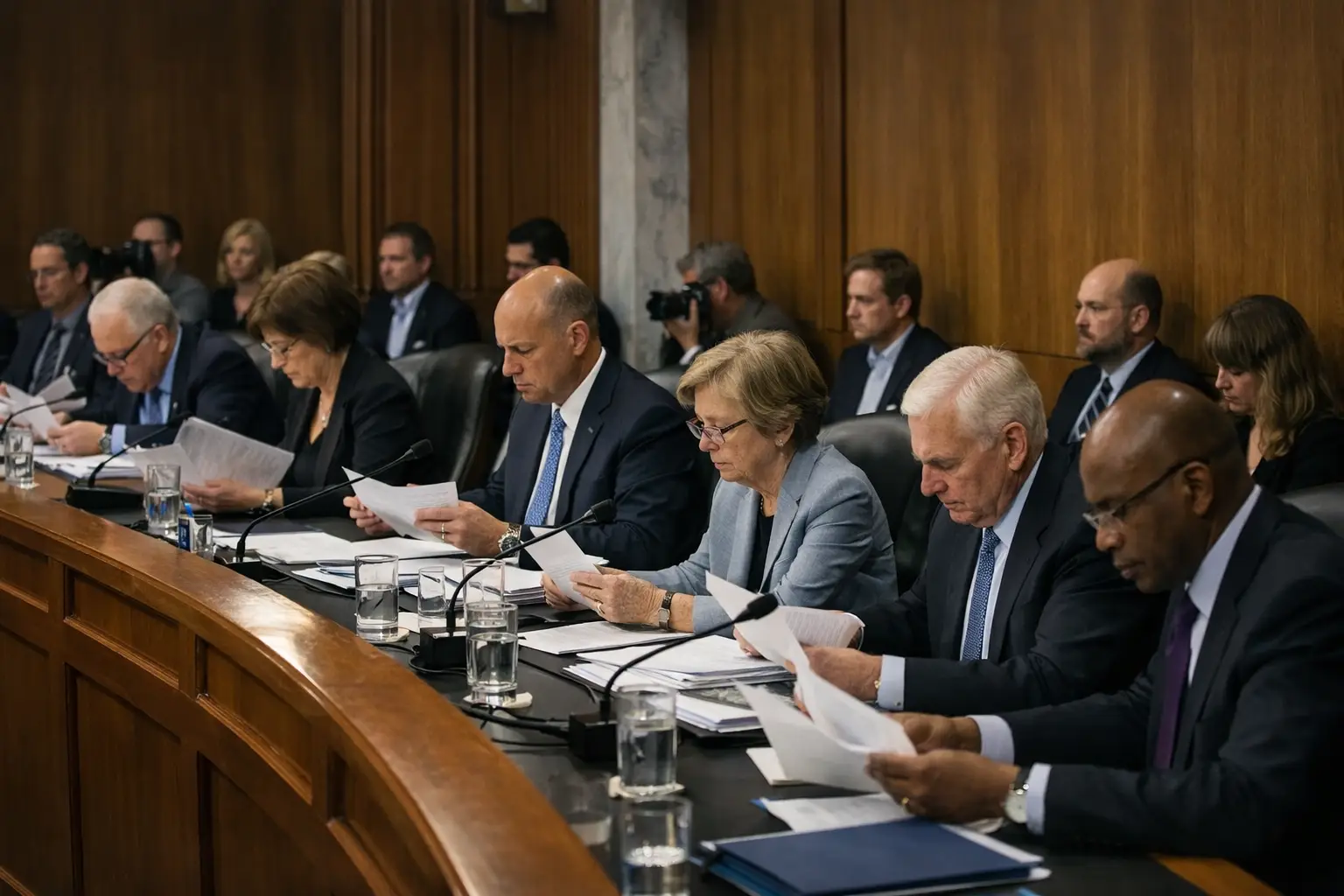








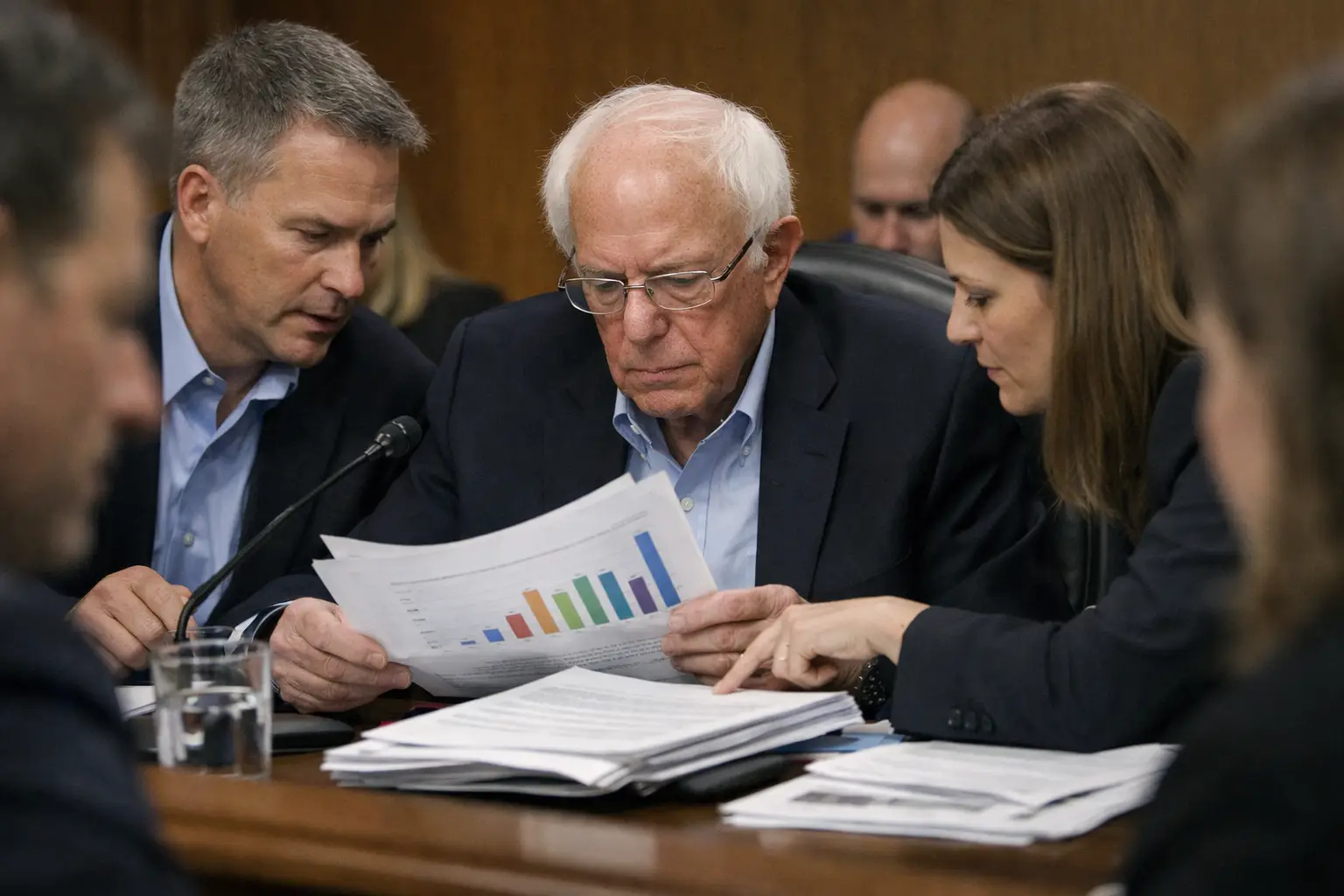
After a Democratic sweep in the midterm elections, negotiations over a crucial funding stream for the Food and Drug Administration are set to take on sharper political significance in Washington. At the center of the debate is the system that allows the agency to collect fees from drugmakers to help pay for the review of new medicines, a mechanism that has long been central to the pace and capacity of federal drug approvals.
The law in question, the Prescription Drug User Fee Act, must be renewed before the current authorization expires on Sept. 30. Without a new agreement, the FDA’s ability to process and approve medicines could be disrupted, creating uncertainty for regulators, patients and the pharmaceutical industry. The legislation is therefore more than a routine budget measure: it is one of the key pillars supporting the agency’s drug review operations.
The political balance after the elections gives senior Democrats a stronger hand in shaping the renewal. Among them is Bernie Sanders, the independent senator from Vermont who caucuses with Democrats and is expected to lead the Senate Health, Education, Labor and Pensions Committee. That position would place him in a central role as lawmakers negotiate the scope and terms of the next user fee package.
Sanders has stood apart from many colleagues by criticizing the underlying premise of relying on industry payments to fund a major part of the FDA’s medicine reviews. His influence could bring greater scrutiny to a system that sits at the intersection of public oversight, commercial interests and national health policy. While the user fee framework has become embedded in the FDA’s work, its renewal offers lawmakers a rare opportunity to revisit how the agency is financed and how much leverage pharmaceutical companies should have in the process.
The coming talks will test how Democrats use their expanded authority on health issues in the United States. Any disruption to the FDA review pipeline would carry consequences beyond Capitol Hill, affecting companies awaiting decisions and patients depending on timely access to new treatments. For that reason, the funding bill is likely to become an early and consequential measure of how the new congressional landscape handles the balance between regulatory independence and the practical demands of medical innovation.