








Houthis launch fresh attacks on Saudi Arabia while consolidating positions along the western shoreline of Yemen, Yemeni officials say. The escalation has prompted urgent security discussions in Riyadh, as regional authorities assess how to respond to an unfolding tactical advance that places new pressure on nearby maritime approaches.
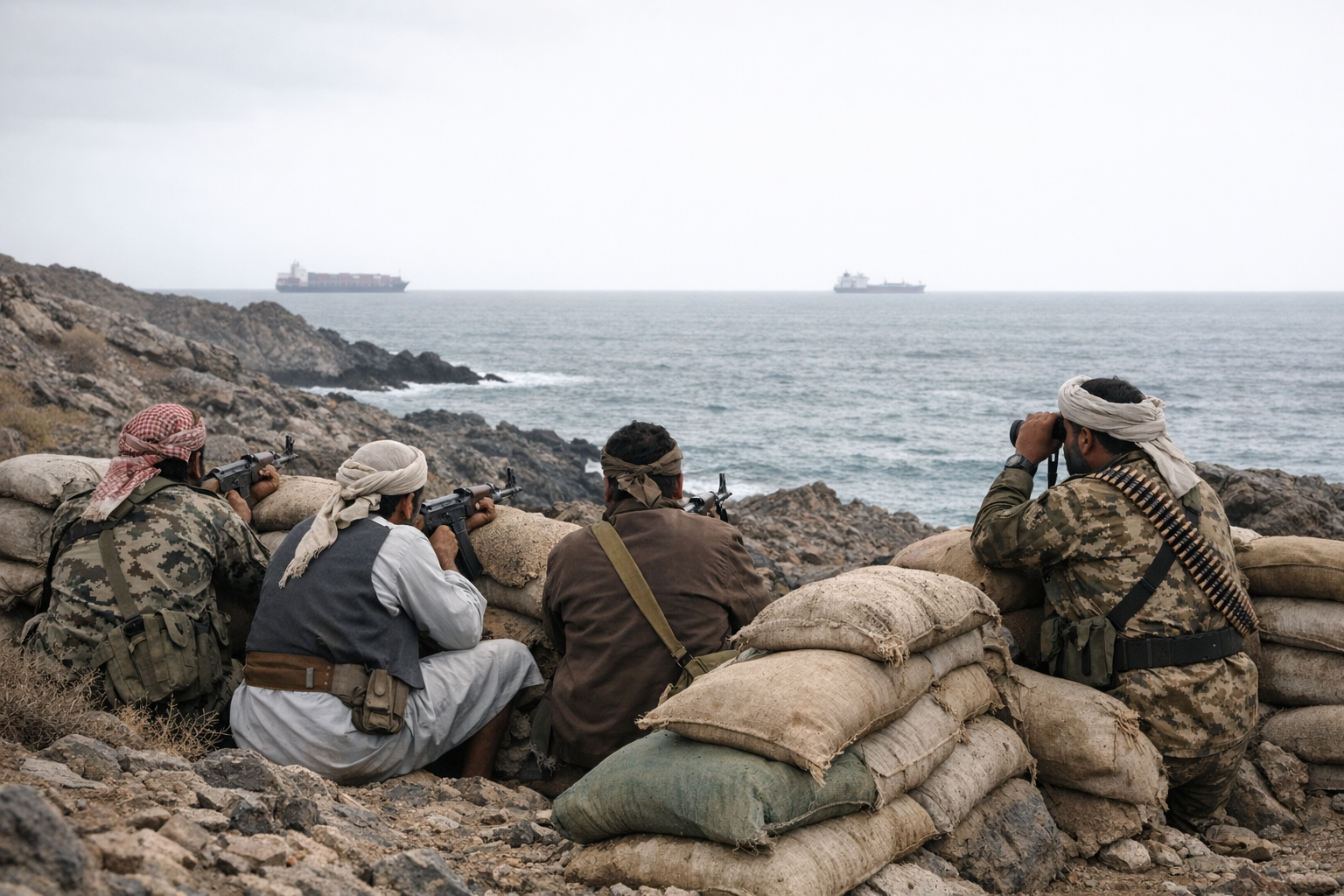
Yemeni sources describe fighters digging in along coastal areas that overlook the Red Sea, a corridor vital for international trade. Analysts note that fortified positions on this western coast can complicate maritime traffic and raise the vulnerability of nearby shipping lanes, already sensitive because of the proximity to the Strait of Hormuz.
At the same time, delegations from the Gulf postponed planned engagement with Iran, a move officials say was taken amid mounting tensions. The delay has amplified concerns among governments and market watchers that the confrontation could widen beyond Yemen and affect energy exports. In Riyadh and other capitals, decision-makers reviewed security options as they weigh diplomatic and defensive measures. The government response has included consultations with regional partners and communications with international stakeholders.
The immediate impact is twofold: an increased security burden for Gulf states and heightened scrutiny from insurers and shippers monitoring Red Sea routes. Energy markets are alert to the risk that further escalation could disrupt supplies or raise transport costs. Observers say the coming days will be critical for whether diplomatic channels resume and whether military postures along the Red Sea and the Gulf will harden. Meanwhile, humanitarian and commercial actors continue to monitor developments on the ground in Yemen and movements that could further affect regional stability.