








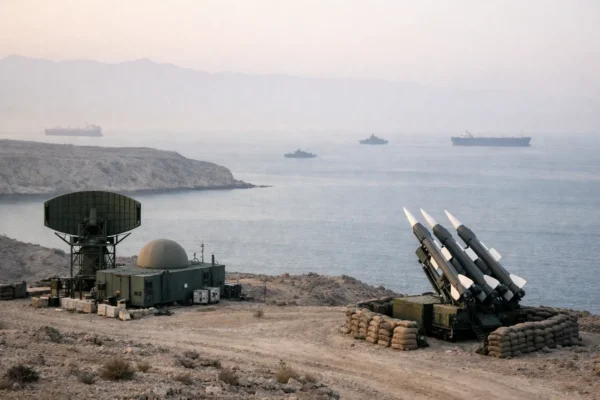
U.S. Strikes on Iran’s Qeshm Island Put Strait of Hormuz Back in Focus
U.S. officials say limited strikes on Iran’s Qeshm Island targeted surface-to-air missile threats near the Strait of Hormuz.
U.S. officials say limited strikes on Iran’s Qeshm Island targeted surface-to-air missile threats near the Strait of Hormuz.
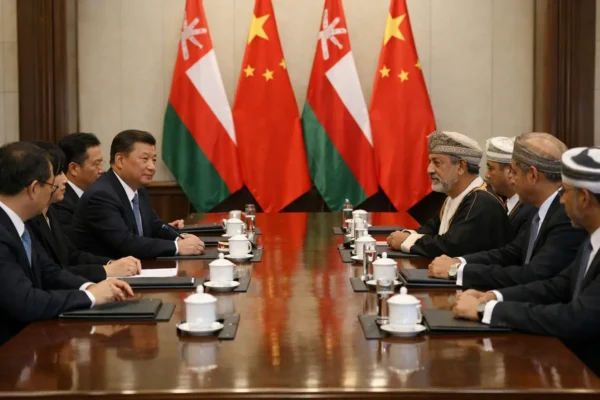
Xi Jinping told Oman’s Sultan Haitham in Beijing that deeper bilateral ties are a shared strategic choice at a new stage.
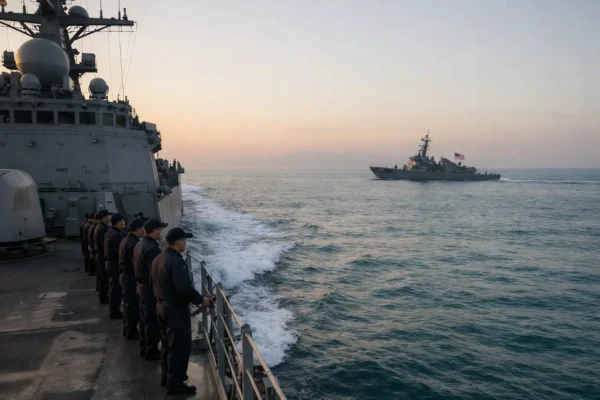
Seoul is reviewing an extension of its Cheonghae unit’s area to the Gulf of Oman, amid pressure from President Donald Trump over support in the Iran conflict.
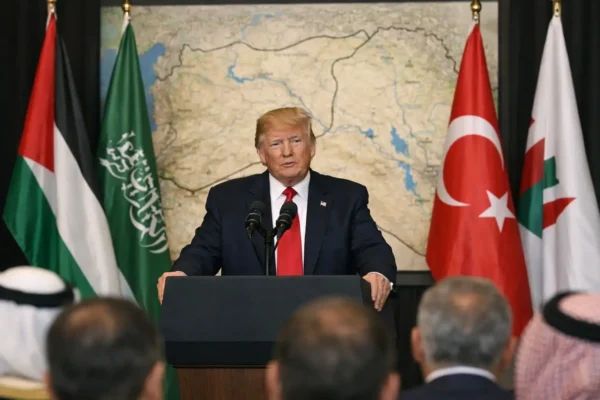
Trump’s integration approach builds on Gulf and Turkey partnerships and Syria gains, while Iran’s influence complicates progress in Iraq.

Gulf states’ balancing acts — with Washington, Tehran and other partners — have not prevented economic and security fallout from regional conflict.

Houthis stepped up attacks and entrenched along Yemen’s Red Sea coast while Gulf states delayed talks with Iran, raising regional and shipping risks.

Washington’s demand that Seoul deploy forces to the Strait of Hormuz is creating political friction and strategic dilemmas for the U.S.–South Korea partnership.

Iran’s Revolutionary Guard says it fired missiles at a Jordan base used by US forces and struck ships after the U.S. destroyed five Iranian tankers.
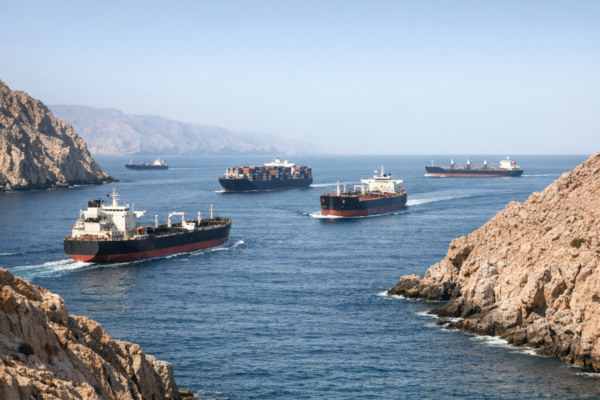
Kpler data shows around five vessels transited the Strait of Hormuz on Monday, well below the 10-day average; no liquid tankers recorded.

After a month-long lull, Iran says it launched ballistic missiles at US bases in Jordan, claiming heavy damage amid renewed US-Iran exchanges.