







Foreign policy is no longer a distant concern reserved for diplomats, security officials or presidential debates. For many voters in the United States, questions of war, alliances, trade, migration and international credibility now connect directly with domestic priorities. That reality creates a political obligation for Democrats: if Americans are paying attention to the country’s role abroad, the party cannot treat foreign policy as a specialist subject detached from everyday life.
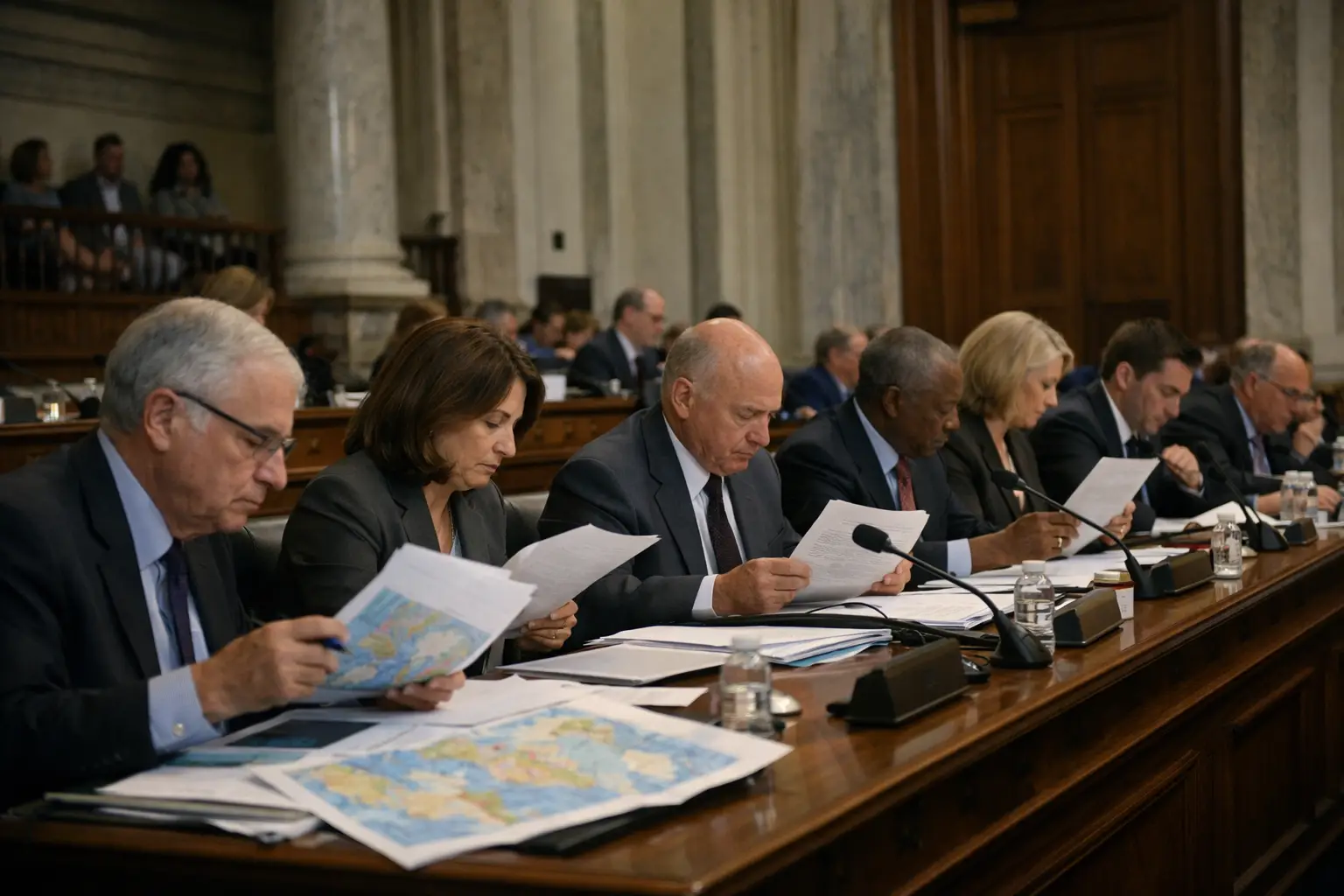
The immediate arena for that challenge is Congress. While presidents dominate the public image of diplomacy, lawmakers have concrete tools that shape the direction of U.S. engagement overseas. Through appropriations, authorizations, committee hearings and oversight, Congress can influence how money is spent, how military commitments are scrutinized and how executive decisions are examined. Official legislative activity is tracked through Congress.gov, reflecting the breadth of measures that can affect international policy even when the White House sets the tone.
For Democrats, the task is not only to criticize or defend an administration’s choices. It is to show voters what a coherent congressional agenda can do. That includes pressing for transparency on security assistance, demanding accountability in the use of military authorities, and connecting diplomatic goals with economic resilience at home. Lawmakers can also use hearings to make foreign policy more understandable, turning abstract debates about global strategy into clear questions about costs, commitments and national interests.
The next two years will test whether the party can turn public concern into legislative discipline. In a divided and polarized environment, sweeping foreign policy changes may be difficult, but targeted action remains possible. Funding bills, oversight letters, committee investigations and bipartisan measures can all carry practical consequences. The U.S. Department of State, whose work is outlined by the U.S. Department of State, depends on congressional support for resources and authorities that sustain diplomacy around the world.
Listening to voters on foreign affairs means acknowledging that global events are part of domestic politics. It also means explaining choices without relying on slogans. If Democrats want credibility on the issue, they will need to demonstrate seriousness in the institution where they still have measurable power: Congress. The opportunity is narrow but real, and it begins with treating foreign policy as a public priority rather than a closed conversation among experts.