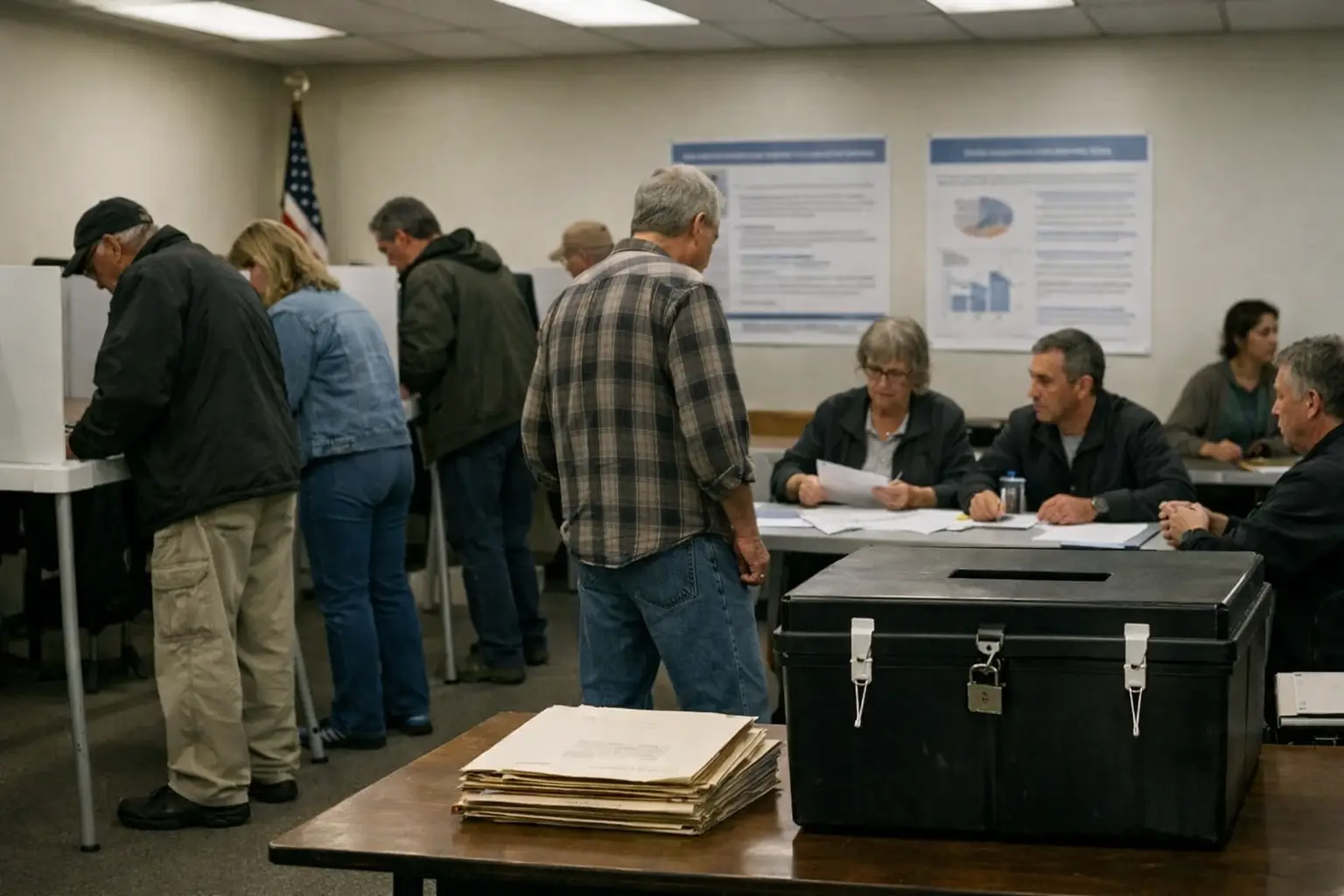







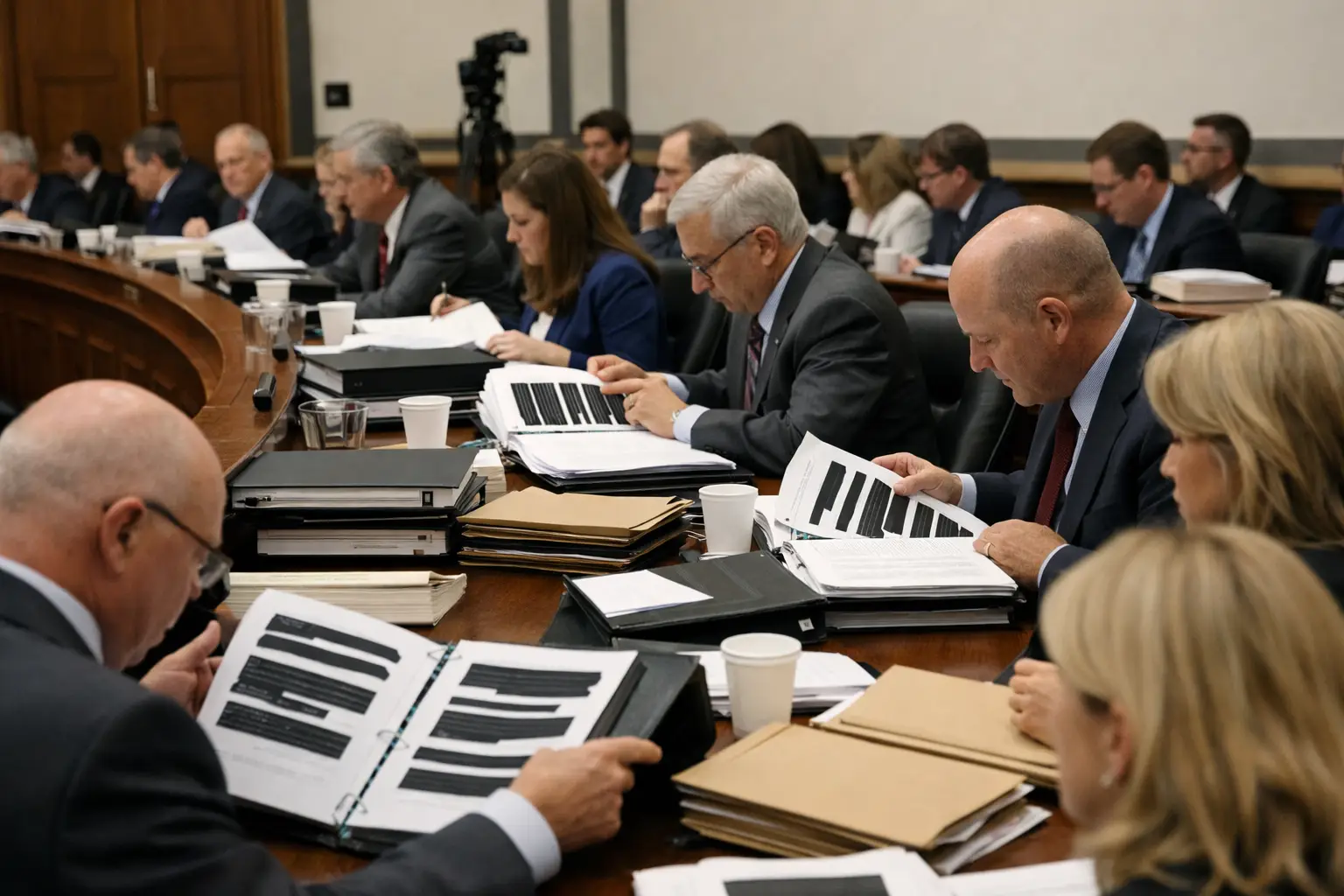
Federal scrutiny of Jeffrey Epstein has returned to Capitol Hill after the Republican chair of the House Oversight Committee released a report sharply criticizing the government’s handling of the case. The document follows a 15-month investigation into Jeffrey Epstein and people connected to him, and concludes that federal authorities failed over a period of decades to hold him fully accountable for his conduct.
The report was issued by James Comer, the Republican committee chairman from Kentucky, and is framed around the role of the federal government rather than a single prosecution decision. Its central finding is that institutional inaction, missed opportunities and inadequate accountability allowed Epstein to remain a subject of public controversy long after allegations against him first drew national attention. The committee’s work adds a political dimension to a case that has already tested public confidence in law enforcement, prosecutorial discretion and the treatment of powerful or wealthy defendants in the United States.
Epstein’s case has carried unusual public weight because it involved allegations of sexual exploitation, influential social circles and repeated questions about the decisions made by authorities before his 2019 death while awaiting trial on federal sex-trafficking charges. The new congressional report does not replace a criminal proceeding, but it places pressure on federal institutions to explain how past decisions were made and why accountability was not achieved earlier. For lawmakers, the matter also intersects with the broader oversight role of Congress, which can examine executive-branch conduct, request records and question officials even when criminal cases have ended or cannot proceed.
The release is likely to renew debate over transparency in the Epstein matter, including how much information the government should make public about past investigations and associated individuals. For victims and the wider public, the importance of the committee’s conclusions lies less in revisiting Epstein’s notoriety than in identifying whether the justice system applied its standards consistently. The report’s political impact will depend on whether it leads to further document releases, hearings or legislative proposals aimed at strengthening oversight of high-profile criminal investigations.