








America’s retirement debate is increasingly shaped by a simple question: what happens when more people live longer while fewer workers support the system that pays benefits? The anxiety has revived a familiar accusation that Social Security operates like a giant Ponzi scheme. The comparison is politically powerful, but it misses the legal and financial mechanics of a public insurance program that remains central to household planning in the United States.
Social Security is mostly financed through payroll taxes collected from workers and employers, with money flowing to current retirees, disabled workers and eligible survivors. The Social Security Administration administers the program, while its trust funds hold surplus revenues invested in special-issue Treasury securities. This pay-as-you-go design creates an intergenerational link: today’s workforce helps fund today’s beneficiaries, and future workers will help fund today’s contributors when they retire.
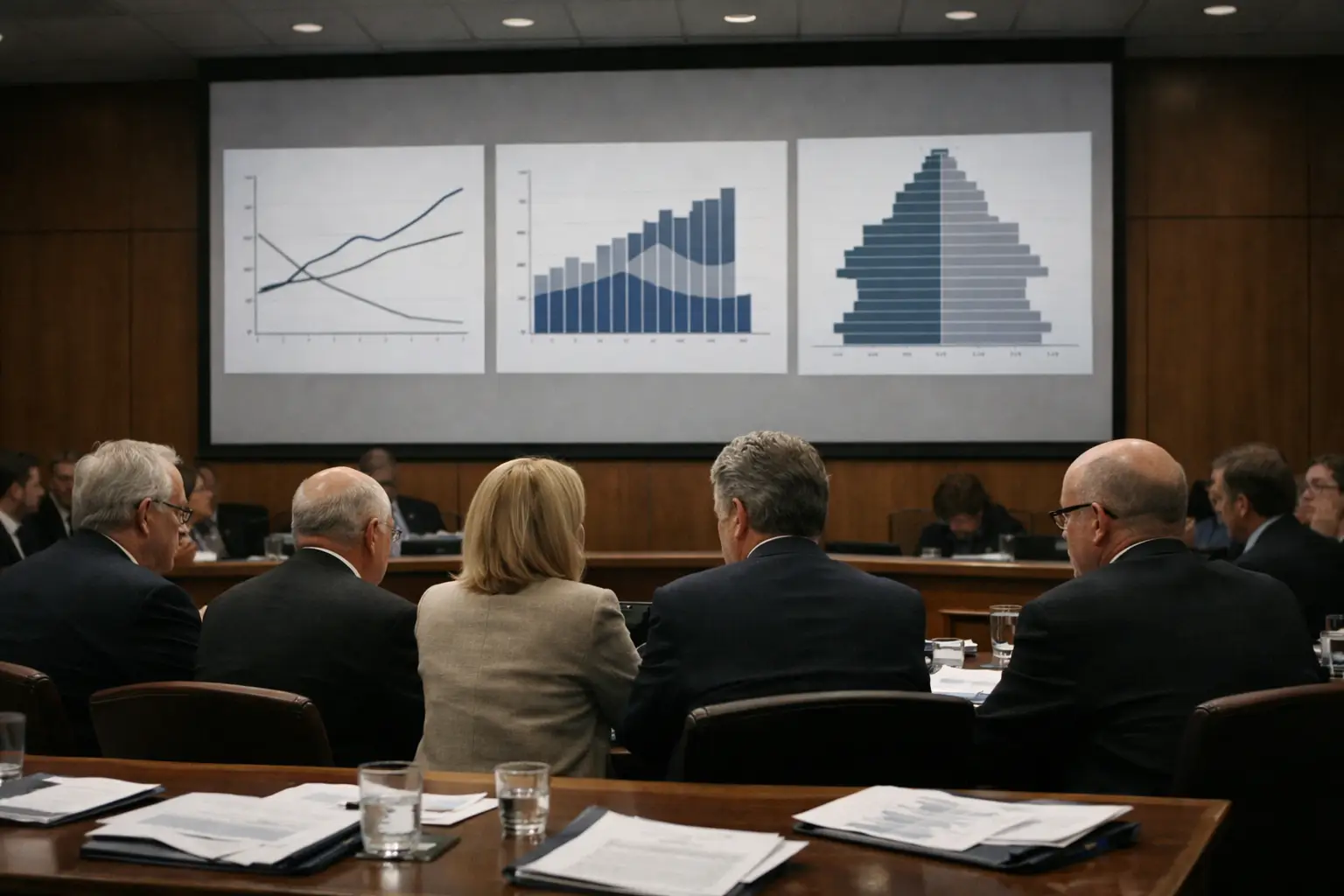
The pressure point is demographic rather than mysterious. Longer life expectancy, the retirement of large birth cohorts and slower workforce growth reduce the ratio of contributors to beneficiaries. The Social Security Trustees have warned that, without changes, trust fund reserves are projected to be depleted, after which incoming tax revenue would still finance benefits but not the full scheduled amount. That is a funding gap, not an immediate disappearance of payments.
Calling the program a Ponzi scheme obscures crucial distinctions. A fraudulent investment scheme depends on deception, hidden liabilities and the need to attract new investors to pay earlier participants. Social Security was created by law, publishes financial projections and has the federal government’s taxing authority behind it. The system can still face serious stress, but its obligations are public, its rules can be amended by Congress, and its purpose is income insurance rather than investment profit.
The practical stakes are significant for retirement planning. Living to 100 can transform savings needs, health-care costs and decisions about when to claim benefits. For policymakers, the choices are familiar but politically difficult: adjust revenues, modify benefits, change eligibility rules or combine several measures. For households, the central lesson is less about labels than timing. Social Security is not collapsing overnight, but demographic strain makes long-term planning and policy clarity more important.