


Democratic committee leaders are preparing a closer examination of drug pricing agreements negotiated between pharmaceutical companies and the Trump administration, elevating the issue as a central health care oversight matter when they take control of key congressional panels in January. The focus is on most-favored nation arrangements that link certain Medicaid drug prices to levels paid in comparable countries, a model that has long carried major political and industry implications in the debate over U.S. prescription costs.
The latest step involves a new round of letters sent to 27 pharmaceutical companies involved in the agreements. The requests seek details on deals struck with the administration, expanding earlier Democratic efforts to obtain information from drugmakers. Since those initial requests, additional companies have entered into arrangements, prompting lawmakers to broaden the scope of the inquiry. The renewed push signals that drug pricing will remain a prominent point of confrontation between Congress, the pharmaceutical sector and federal health policy officials.
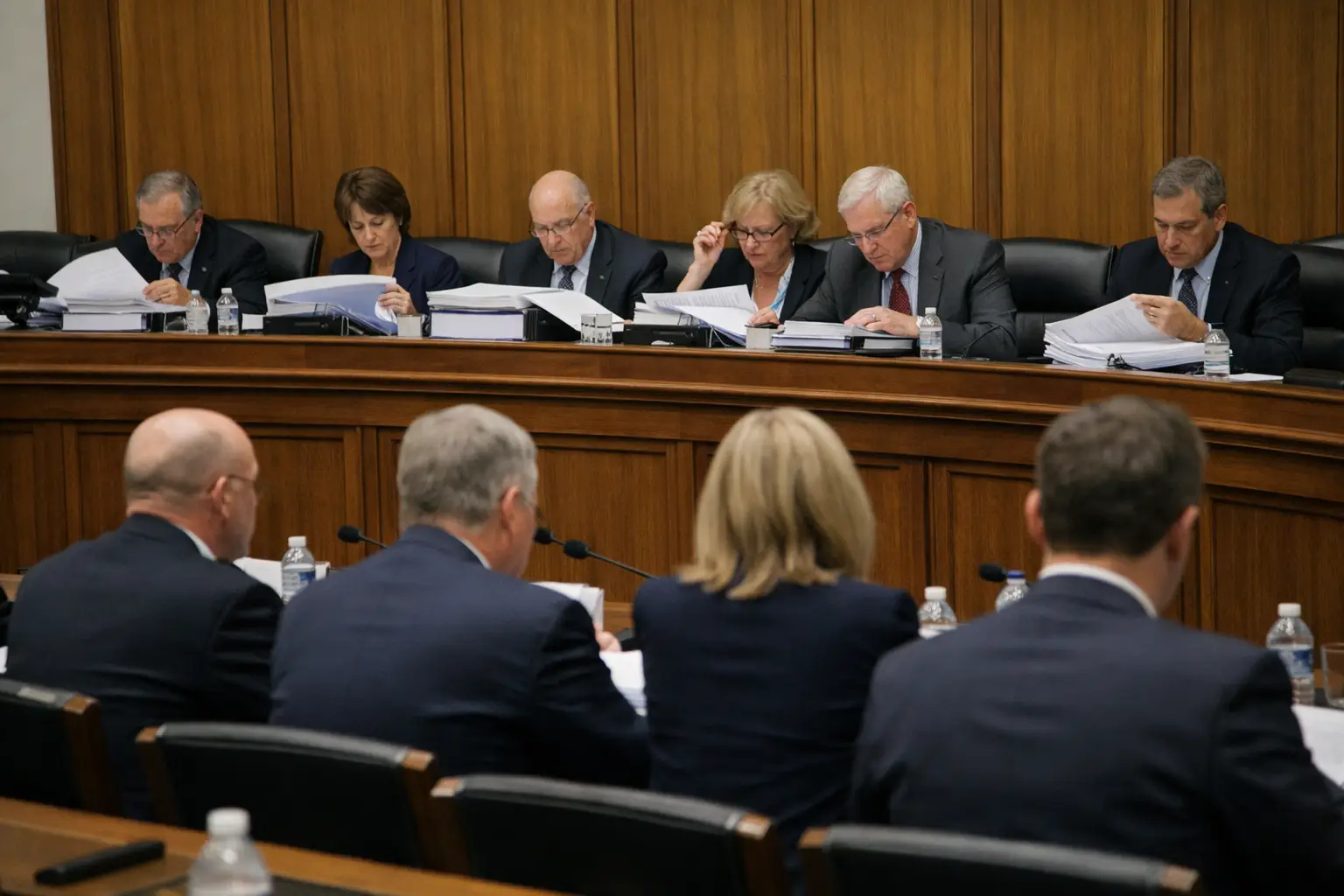
Earlier this year, senior Democrats on the Senate Finance Committee, the House Energy and Commerce Committee, the House Ways and Means Committee and the House Education and Labor Committee asked companies to disclose the terms of their understandings with the administration. Those committees oversee large parts of federal health spending, insurance policy, taxation and labor-related health programs, giving their incoming chairs multiple avenues to review how the agreements were developed and what they could mean for public programs.
The most-favored nation concept is politically significant because it compares U.S. drug costs with prices in peer nations, an approach framed by supporters as a way to reduce public spending and by industry critics as a threat to existing pricing structures. The current Democratic requests center on agreements tied to Medicaid, the joint federal-state program that covers low-income Americans and represents a major purchaser of prescription medicines. Any changes affecting Medicaid drug prices can influence state budgets, manufacturer rebates and broader negotiations across the health care system.
For Democrats, obtaining the terms of the agreements is an early test of how aggressively they will use committee authority on health care oversight. The letters do not by themselves determine the outcome of the inquiry, but they place the companies on notice that lawmakers want a fuller record of commitments made before the new Congress begins its work. The response from drugmakers will shape the next stage of the investigation into one of the Trump administration’s most closely watched prescription drug initiatives.