









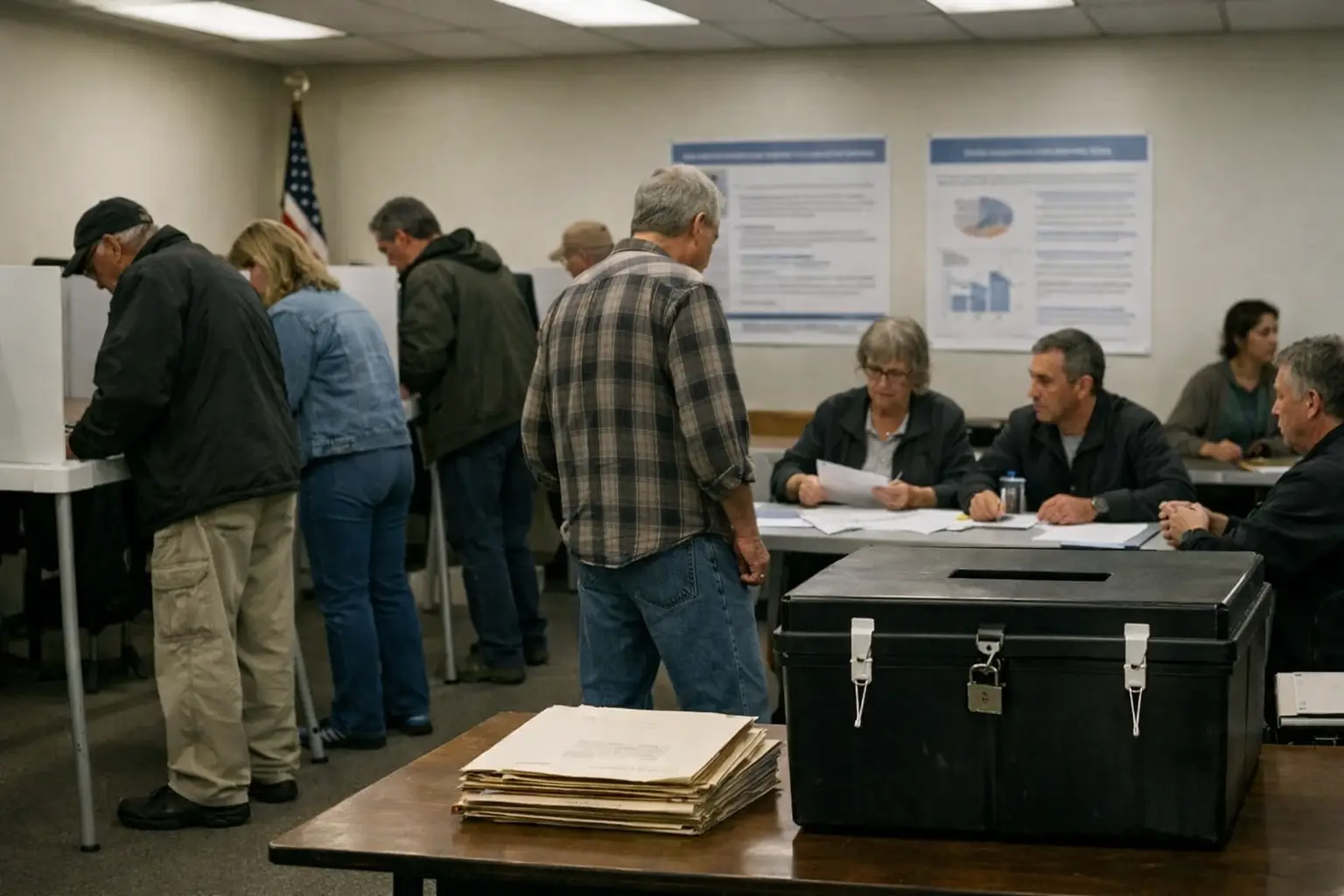
California voters have rejected Proposition 40, a ballot measure that would have imposed a one-time 5% tax on most of the wealth held by billionaires. The proposal targeted overall net worth, including ownership stakes in companies, rather than relying solely on annual income. Its defeat closes a contentious campaign that placed one of the country’s most closely watched California tax debates at the center of a broader argument over how far states can go in taxing extreme wealth.
The measure drew national attention because it tested a policy idea long discussed in progressive circles but rarely put directly before voters. Unlike conventional income taxes, the proposed levy would have reached assets that can grow significantly in value without being sold. Supporters presented the concept as a way to make the wealthiest residents contribute more. Opponents warned that such a tax could encourage billionaires to leave the state, reducing the long-term tax base and complicating investment decisions for founders, executives and shareholders with large paper fortunes.
The campaign also revealed a clear split among Democrats, underscoring the difficulty of turning wealth-tax proposals into governing policy even in a state where the party dominates statewide politics. For some Democratic voters and officials, the proposal fit a broader effort to address inequality through the tax system. For others, the design of the measure raised practical concerns about valuation, enforcement and economic competitiveness. The result shows that support for higher taxes on the ultra-rich is not automatic when the policy moves from a general principle to a specific ballot question.
Ballot propositions have long made California a laboratory for fiscal policy, allowing voters to approve or reject measures with consequences beyond Sacramento. The rejection of Proposition 40 may influence future campaigns aimed at taxing wealth, particularly in states considering whether to pursue billionaires through direct levies rather than income-based systems. Elections in the state are administered through the California Secretary of State, whose ballot process often draws national scrutiny because of the size of the state’s economy and electorate.
The outcome does not end the political debate over wealth concentration, but it does mark a setback for advocates of state-level billionaires’ taxes. It also strengthens the arguments of critics who say mobility and asset valuation remain major obstacles to such plans. With inequality, public revenue and tax policy still central to U.S. political debate, California’s vote is likely to be studied closely by policymakers weighing how to balance redistribution goals with concerns about economic flight.