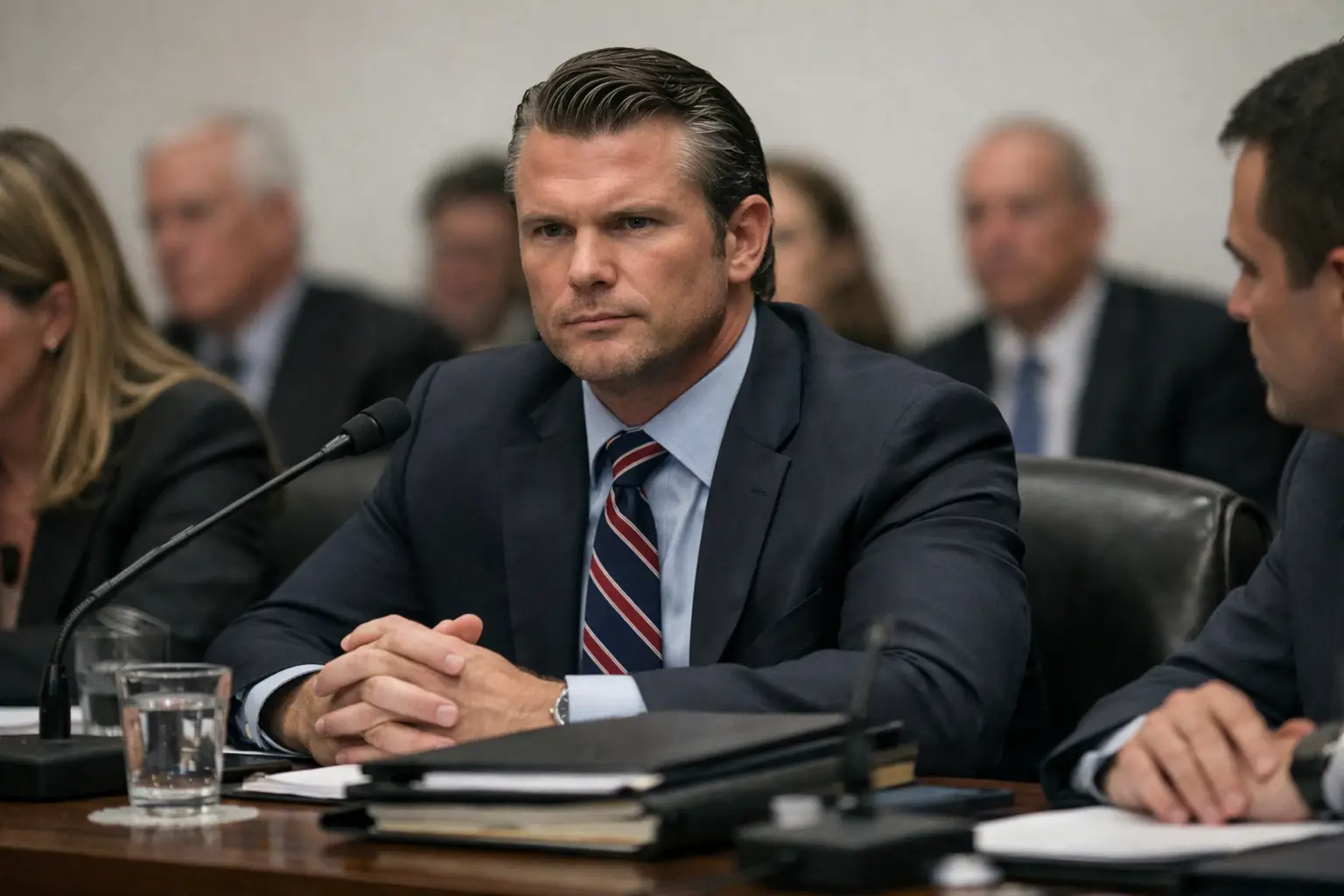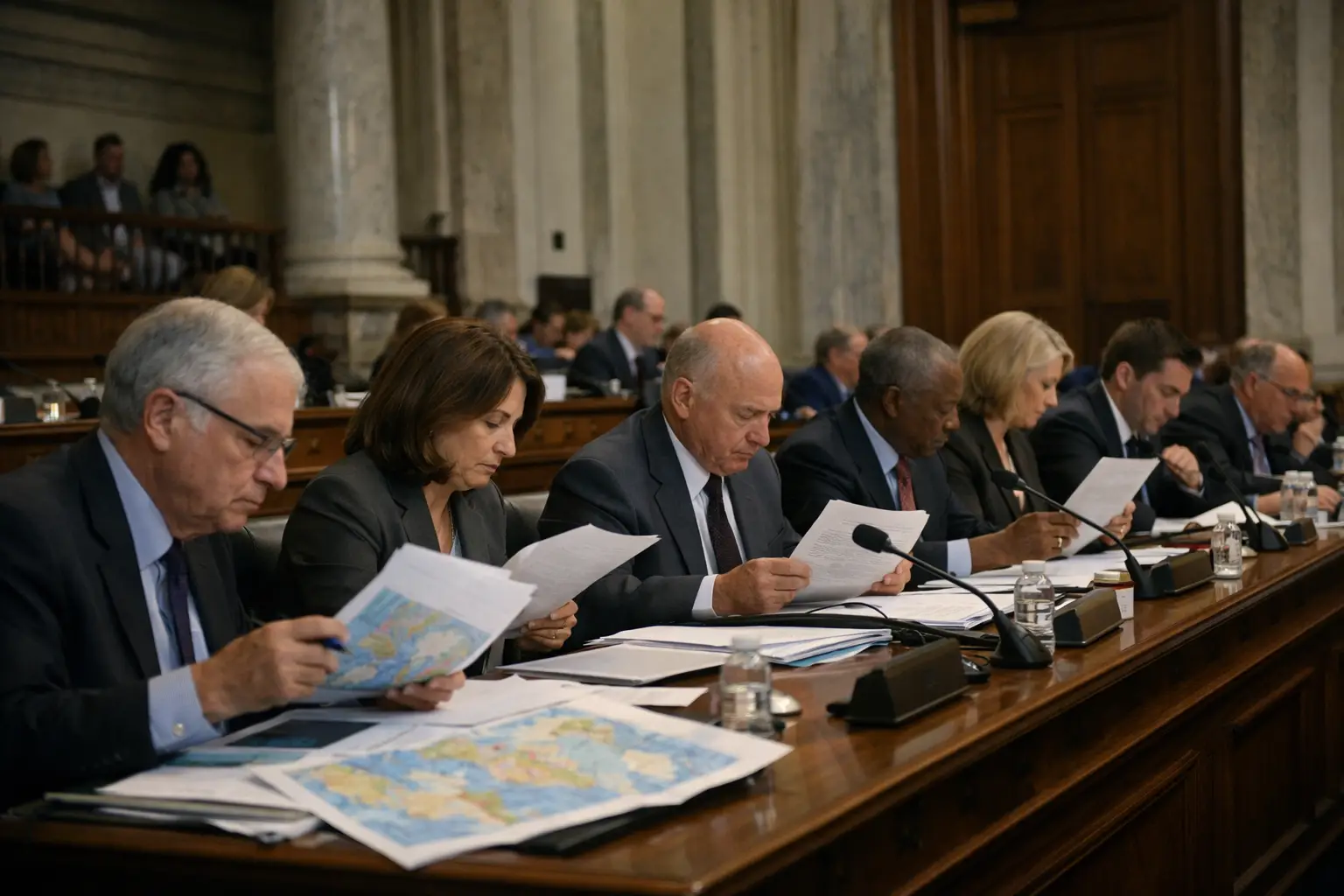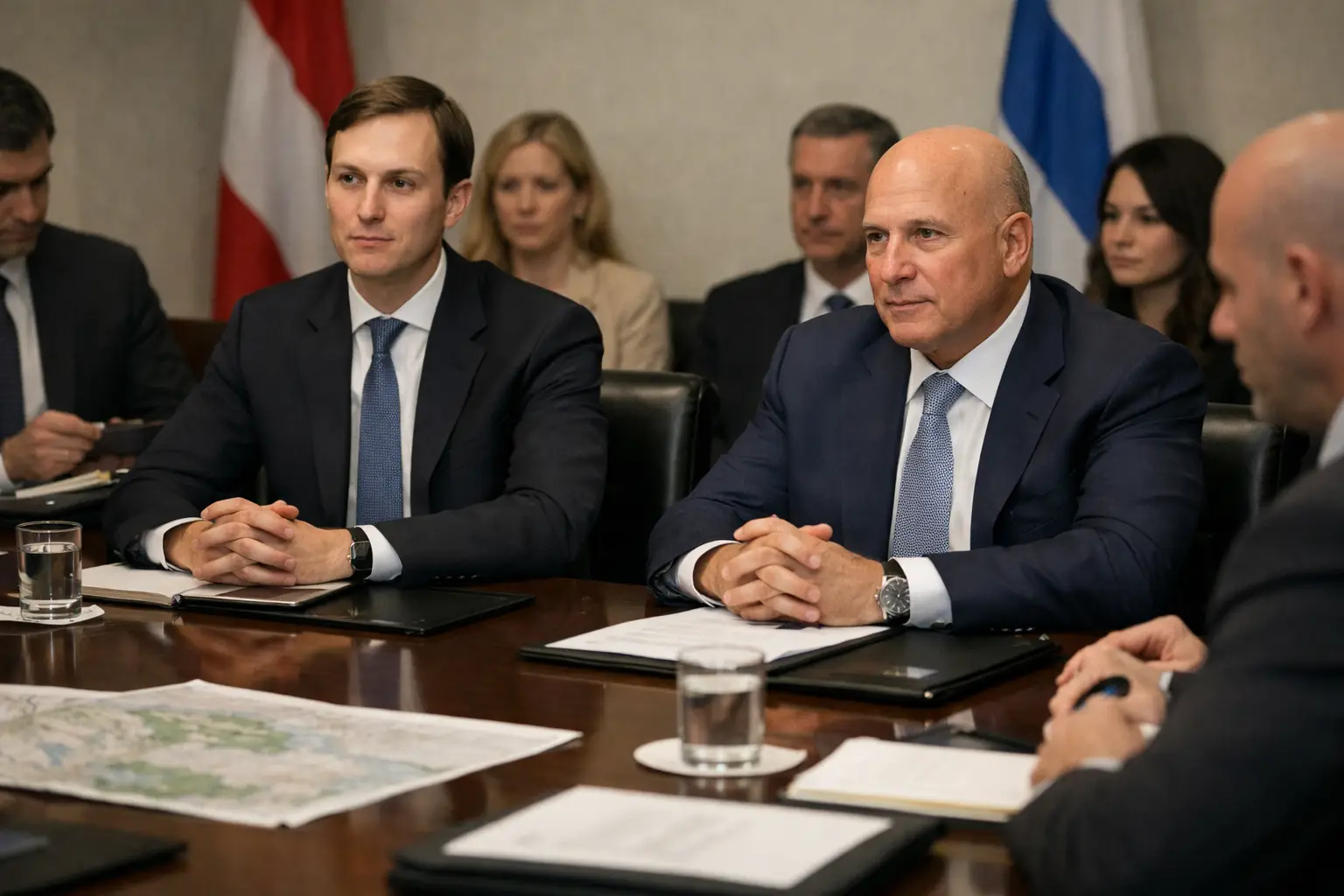








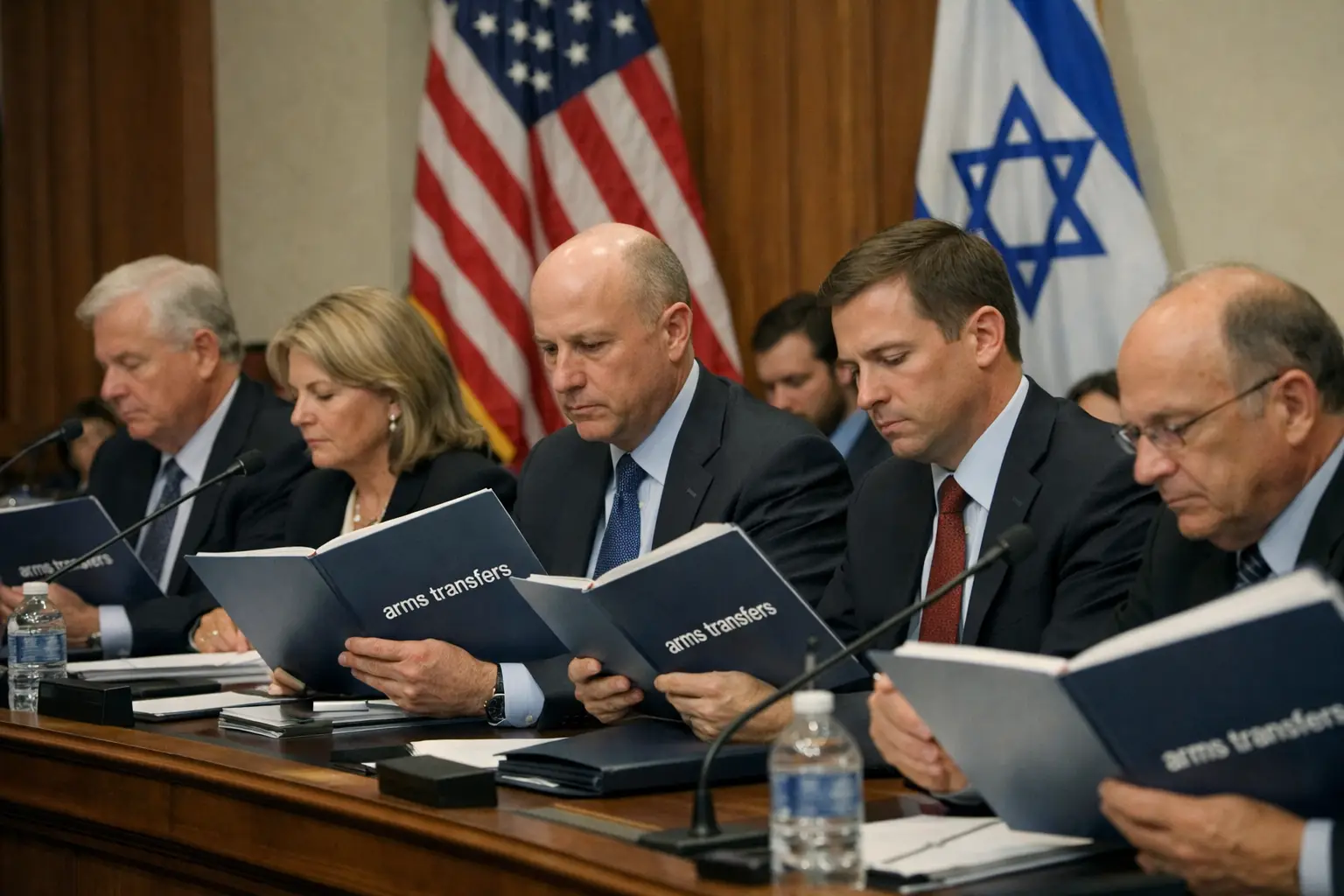
Pressure on Capitol Hill is moving beyond the familiar debate over foreign aid, with voters urging lawmakers to confront the role of U.S. weapons in the relationship between the United States and Israel. The demand places U.S. Congress at the center of a policy choice that cannot be reduced to budget lines alone: whether continued military transfers should proceed without stronger political limits and oversight.
The emerging message for lawmakers is that cutting assistance, by itself, would address only one part of Washington’s support structure. Military aid and weapons sales operate through separate channels, and both shape what U.S. policy means in practice. For voters pressing for a change in direction, the issue is not only how much money is approved, but also whether American-made arms continue to flow under existing arrangements.
Arms transfers to foreign governments involve both the executive branch and congressional review. The U.S. Department of State plays a central role in foreign military sales and export approvals, while Congress has authority over funding, oversight, and conditions attached to security assistance. That framework gives lawmakers tools beyond symbolic votes, including hearings, reporting requirements, restrictions, and changes to future authorizations.
The political significance lies in the gap between public pressure and the mechanisms of policy. A decision to reduce aid may be visible, but it would not automatically halt weapons already authorized or prevent future transfers. For members of Congress, the challenge is therefore procedural as well as political: any effort to change course would require action across appropriations, oversight, and export-control processes rather than a single legislative gesture.
The debate also carries broader consequences for U.S. credibility. Congressional choices on Israel are watched as indicators of how Washington applies its stated standards on civilian protection, accountability, and the use of American weapons abroad. Voters who are calling for more than aid reductions are asking lawmakers to address the full structure of military support. Whether Congress responds with limited budget changes or a deeper review of arms policy will determine how substantial that response becomes.