







The Ebola outbreak in eastern Democratic Republic of the Congo has reached 12,000 cases, deepening a public health emergency in an area where insecurity is obstructing efforts to stop transmission. The spread is unfolding in communities already affected by armed confrontation between rebel groups and the national army, a setting that makes routine disease-control work difficult and, in some locations, dangerous.
The increase in cases comes as some emergency responders have been evacuated from affected areas, reducing the personnel available for surveillance, treatment support and community outreach. Ebola control depends on rapid identification of infections, isolation of patients, contact tracing and safe burials. Each of those measures requires reliable access to neighborhoods, health facilities and families at a time when movement is being disrupted by fighting.
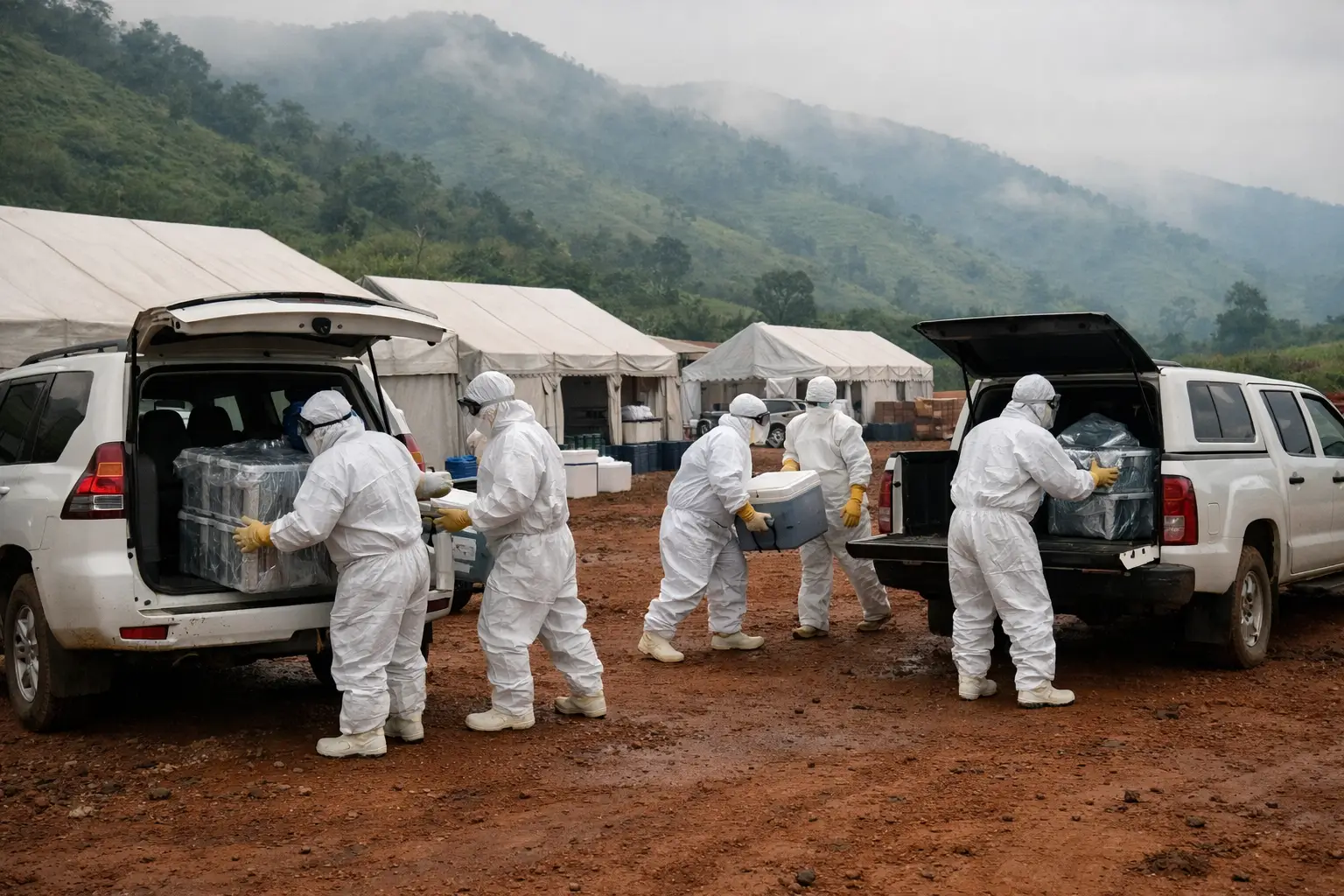
Eastern Congo has faced repeated health emergencies alongside long-running conflict, and the current situation highlights how violence can accelerate the impact of an epidemic. In places such as Beni in North Kivu province, health workers and relatives have had to manage burials under strict precautions, because the virus can spread through contact with the bodily fluids of infected people or of those who have died from the disease. The World Health Organization identifies safe and dignified burial practices as a central element of Ebola response.
The evacuations do not end containment efforts, but they narrow the margin for error. When response teams cannot consistently reach affected areas, delays can emerge in confirming cases, monitoring people exposed to the virus and reinforcing infection-control measures in clinics. Those gaps are especially consequential for a disease that requires close coordination between medical teams, local authorities and communities to interrupt chains of transmission.
The outbreak now presents both a medical and security challenge for the Congo response. The immediate priority remains limiting new infections while protecting health workers and residents in conflict-affected zones. With 12,000 recorded cases, the crisis demonstrates that epidemic response in an active conflict zone cannot rely on clinical capacity alone; it also depends on safe access, public trust and the ability to keep trained personnel in the field.