







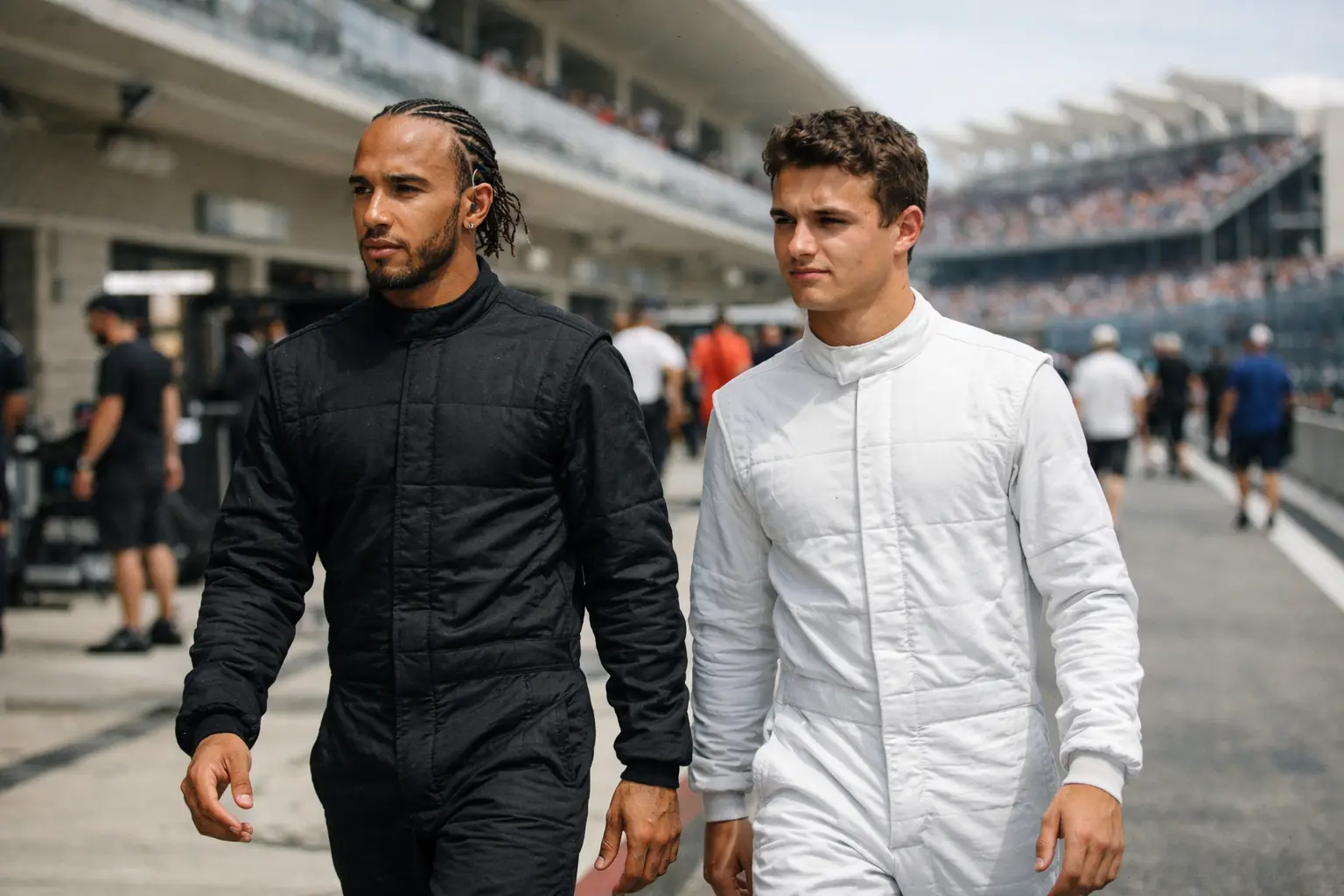
Formula 1 returns to the Circuit of The Americas in Austin for the United States Grand Prix, a weekend that could carry outsized consequences for the remainder of the season. The race arrives with the prospect that a championship contest may be settled before the season concludes, and teams arrive with fresh parts, tactical fine-tuning and urgent questions about form and reliability. The event again underscores the sport’s expanding footprint in the United States and the significance of a venue that combines high-speed runs with technical sections.
The spotlight will fall on Lewis Hamilton and Lando Norris, both of whom have faced recent setbacks that altered momentum and invited scrutiny of team responses. Each driver must address immediate performance issues — ranging from car balance and strategy execution to maximizing qualifying pace — while managing the broader pressure of fan and media attention. How their teams prioritise setup choices and race strategy in Austin will influence short-term recovery and the pair’s prospects across the remaining calendar.
Beyond individual drivers, the weekend will test team operations on a track known for thermal degradation and heavy braking demands. Tyre management, cooling efficiency and brake durability are expected to play a central role in race outcomes, and teams will monitor those variables closely in practice. The return to Austin also provides a platform for evaluating recent upgrades; successful implementation could alter the midfield dynamics and affect the wider championship fight as each squad balances immediate gains against long-term development plans.
For spectators and stakeholders, the US Grand Prix represents both a marquee sporting occasion and a tactical juncture. A title decided in Austin would reshape the narrative of the season, while strong recoveries by drivers such as Hamilton and Norris could reinstate competitive momentum heading into the final rounds. Teams will leave no detail unexamined as they seek clarity on performance trends and prepare for the logistical shift to the remaining events on the calendar.