







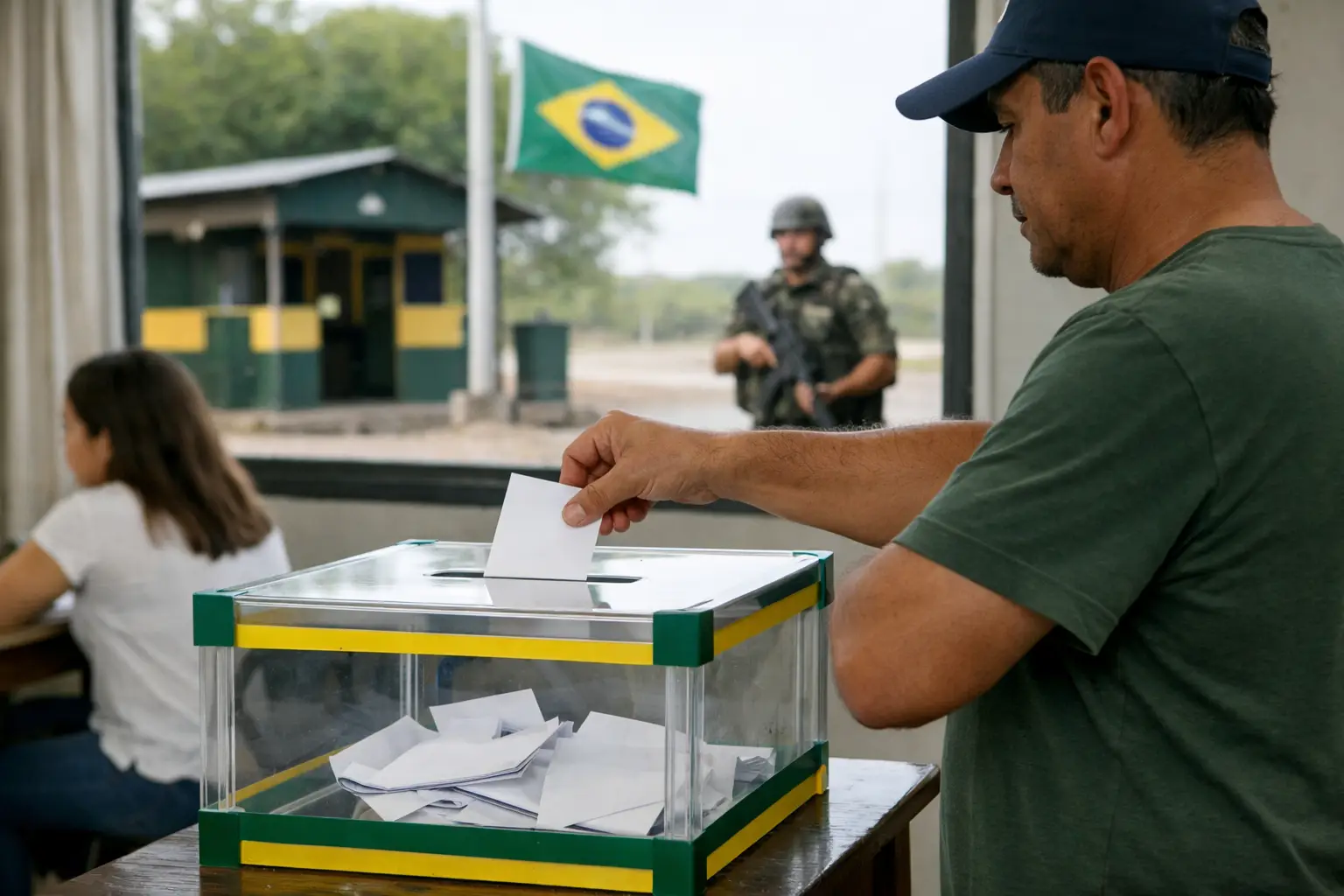
Election outcome matters as voters in Brazil decide a presidency that could alter the country’s posture on foreign military cooperation. Campaign rhetoric from certain right-leaning forces has elevated debate over defence partnerships and the legal frameworks that would enable allied forces to operate on national territory. Observers say the result will influence not just bilateral relations but also how Brazil manages its own constitutional and strategic priorities.
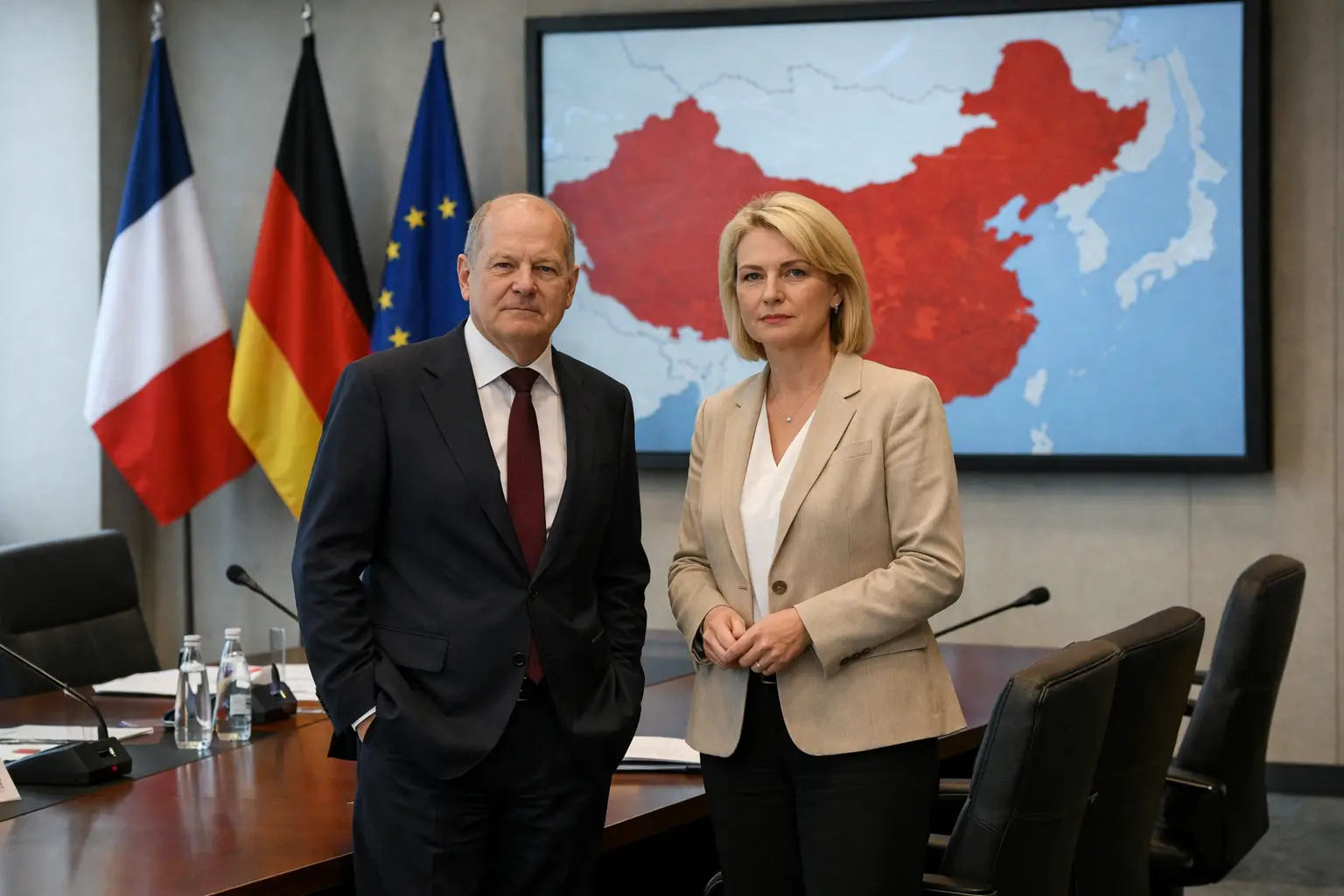
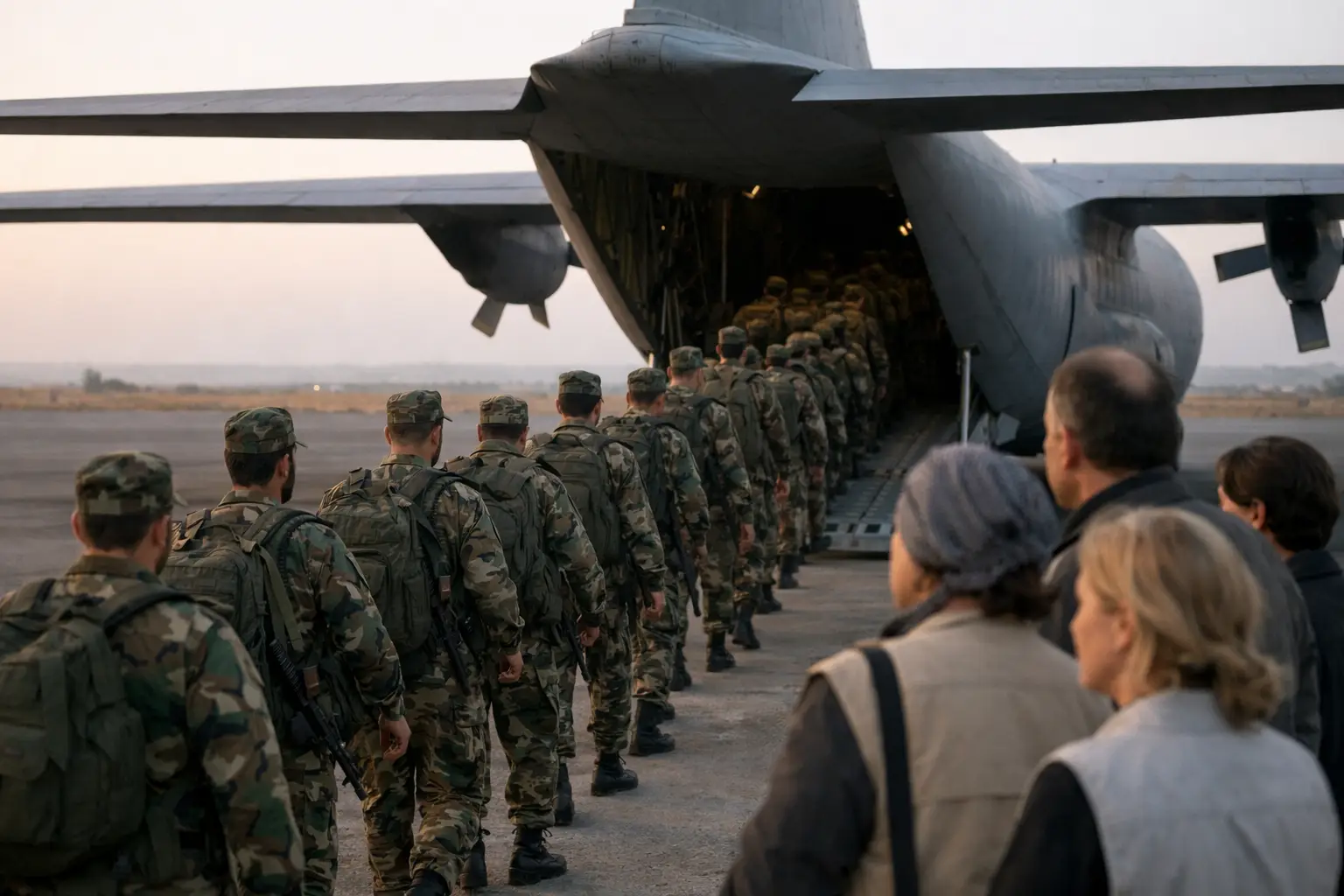
Proposals from elements of the political right emphasize deeper security ties with the United States and other partners, presenting a potential pathway for agreements on access, training and logistics. Any shift toward hosting or accommodating foreign military activity would require changes in policy and formal accords, drawing scrutiny from legal experts, parliamentarians and civil society groups concerned with national sovereignty and oversight.
Brazil’s recent diplomatic history has tended toward a careful balance between cooperation and autonomy, and its defence institutions have traditionally guarded operational control. Introducing foreign military operations onto Brazilian soil would intersect with existing statutes, procurement priorities and command arrangements, creating a complex negotiation between executives, legislatures and defence establishments over authority and accountability.
Domestic debate around these issues has spotlighted broader questions of territorial management and transparency. Critics point to potential impacts on remote and environmentally sensitive areas, while proponents argue closer military cooperation could enhance interoperability and disaster response. The discussion also touches on parliamentary review mechanisms, municipal interests and the perspectives of indigenous and local communities in affected regions.
Regional and international stakeholders are watching the vote for its implications on security architectures in South America. The election’s outcome will help determine whether Brazil maintains its traditional approach to sovereignty and non-alignment, or moves toward deeper operational ties that allow allied forces a presence on its territory. Whatever the result, the decision will shape debates about control, oversight and the legal boundaries of foreign military engagement for years to come.