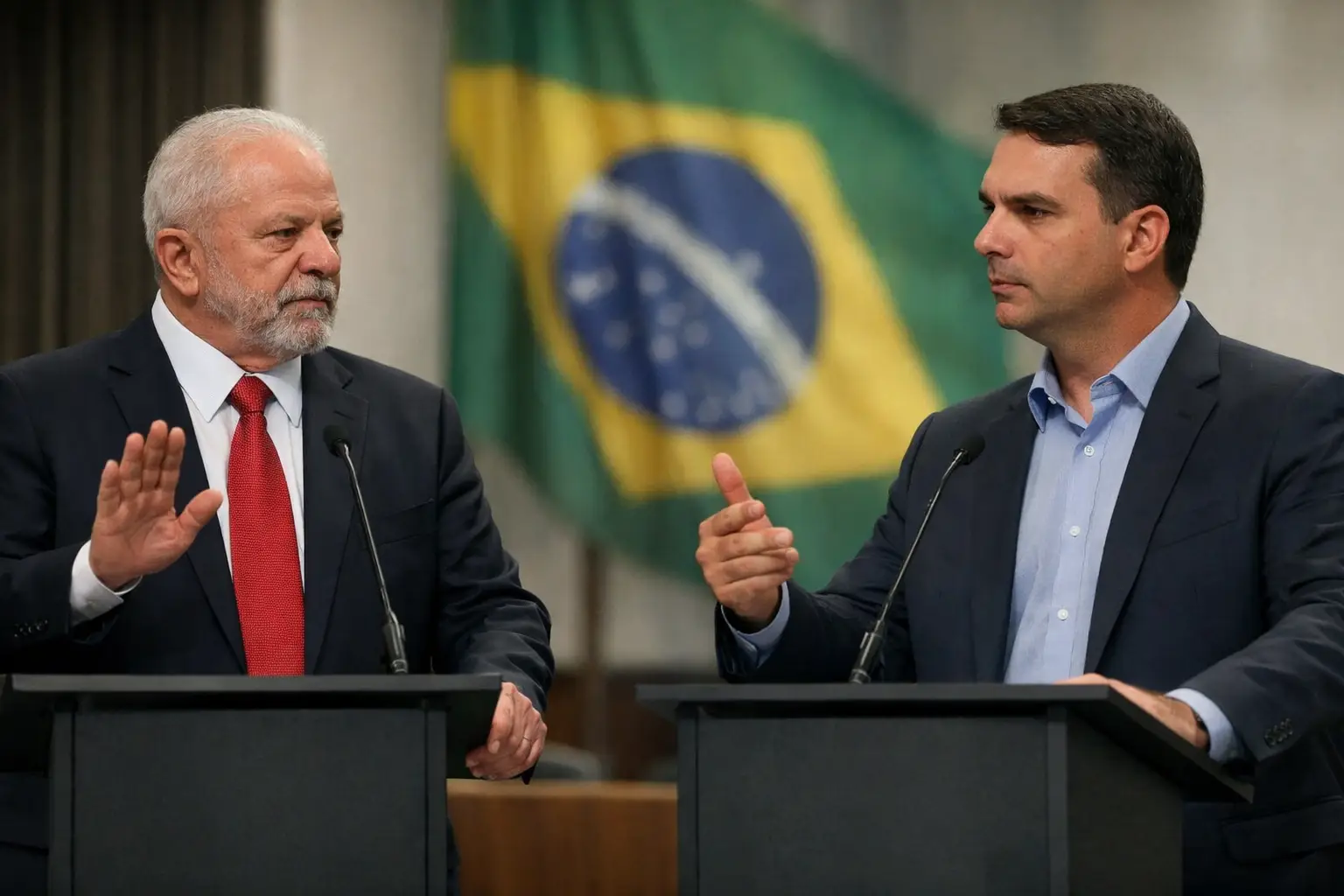









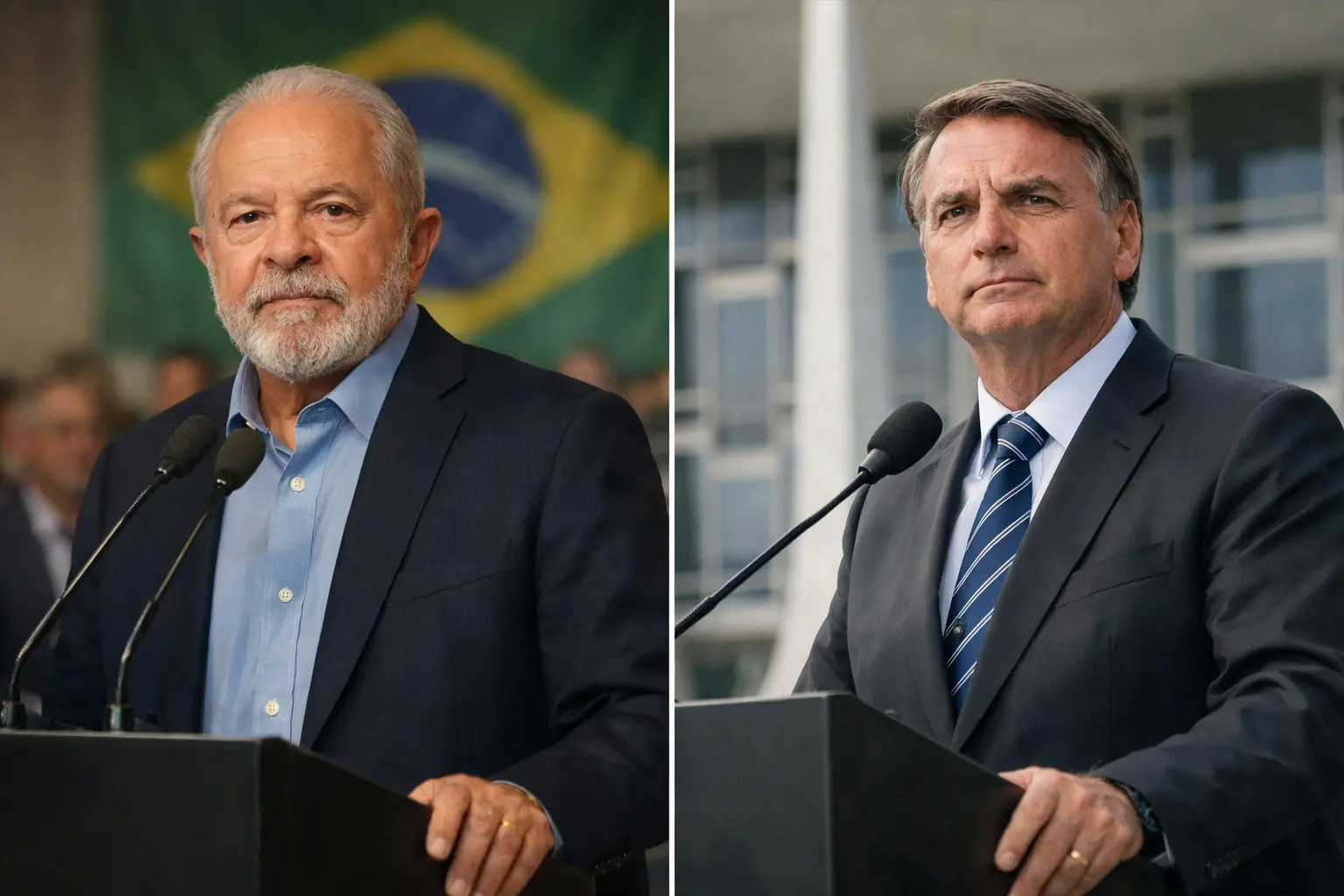
Runoff confirmed in Brazil after a first round that did not produce a decisive winner, setting the stage for a sharply contested second round between Luiz Inácio Lula da Silva and Jair Bolsonaro. The vote exposed a more fragmented electorate than some polls had suggested, with center and fringe candidates absorbing a substantial share of ballots and the rightward bloc improving its standing compared with previous cycles.
The outcome reflects shifting alignments across regions and social groups: urban and younger voters split their preferences among multiple options while conservative forces consolidated slightly better in rural and smaller municipalities. Observers noted that turnout and enthusiasm in many areas remained muted, a factor that helped prevent any candidate from securing an outright victory in the first stage of the race. Parties on both sides now face the task of reassembling coalitions and appealing to voters who backed rival lists.
The run-off will prolong intense scrutiny of policy agendas and campaign messaging. Key themes already evident during the first round—public security, economic management, and institutional stability—are likely to dominate the closing campaign as each camp seeks to define clear contrasts without alienating undecided voters. International attention, including from capitals in North America and Europe, has intensified as markets and diplomatic circles watch how the contest may shape Brazil’s role in regional and global affairs.
With time between rounds limited, political operatives expect a concentrated cycle of advertising, rallies and targeted outreach to swing voters. Both camps will emphasize turnout operations and seek endorsements from eliminated rivals to broaden their bases. The run-off will determine who assumes the presidency and the direction of policy over the coming years, while also testing Brazil’s electoral institutions and the capacity of parties to build effective post-first-round alliances.