






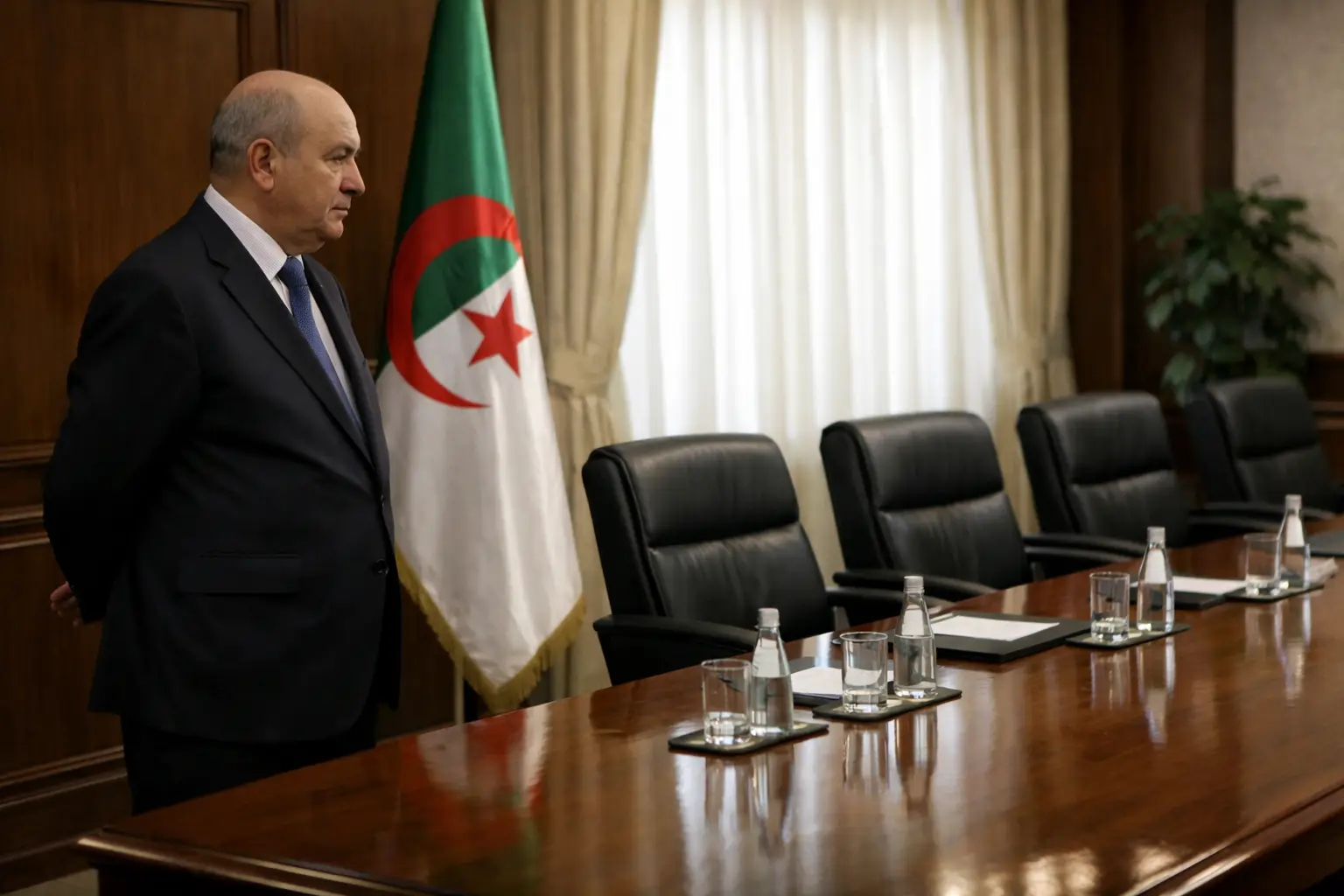
Algeria’s diplomatic shift marks a clear effort by Algeria to step out of a long period of relative international marginality. A recent and pronounced break with the UAE has drawn attention to an evolving strategy that seeks greater visibility and leverage across the region. The move is not merely bilateral: it signals an intent to engage more actively in political and economic conversations that shape the Mediterranean and Sahel spaces.
The recalibration builds on several enduring strengths and constraints. Energy resources, geographic position and historical ties to North Africa and Europe remain central assets, while domestic considerations continue to influence foreign-policy choices. In practical terms, the shift could mean a renewed focus on diplomacy, security cooperation and economic partnerships aimed at reinforcing the country’s standing among neighbours and regional institutions.
Regional implications are already becoming visible. The rupture with the UAE has the potential to modify alliance dynamics across the Gulf, North Africa and the Sahel, prompting other capitals to reassess their approaches. Shifts of this kind tend to affect areas such as trade routes, investment patterns and security coordination — especially on migration and counterterrorism — where interlocutors may seek alternative partners or adjust engagement to protect their interests.
How durable this reassertion will be depends on a range of tangible factors: the ability to translate diplomatic momentum into sustained partnerships, domestic political and economic stability, and the responses of neighbouring states and larger powers with interests in the region. Observers will watch whether Algeria can convert a high-profile diplomatic posture into longer-term influence, shaping outcomes in regional forums and bilateral relations without undermining crucial economic and security ties.