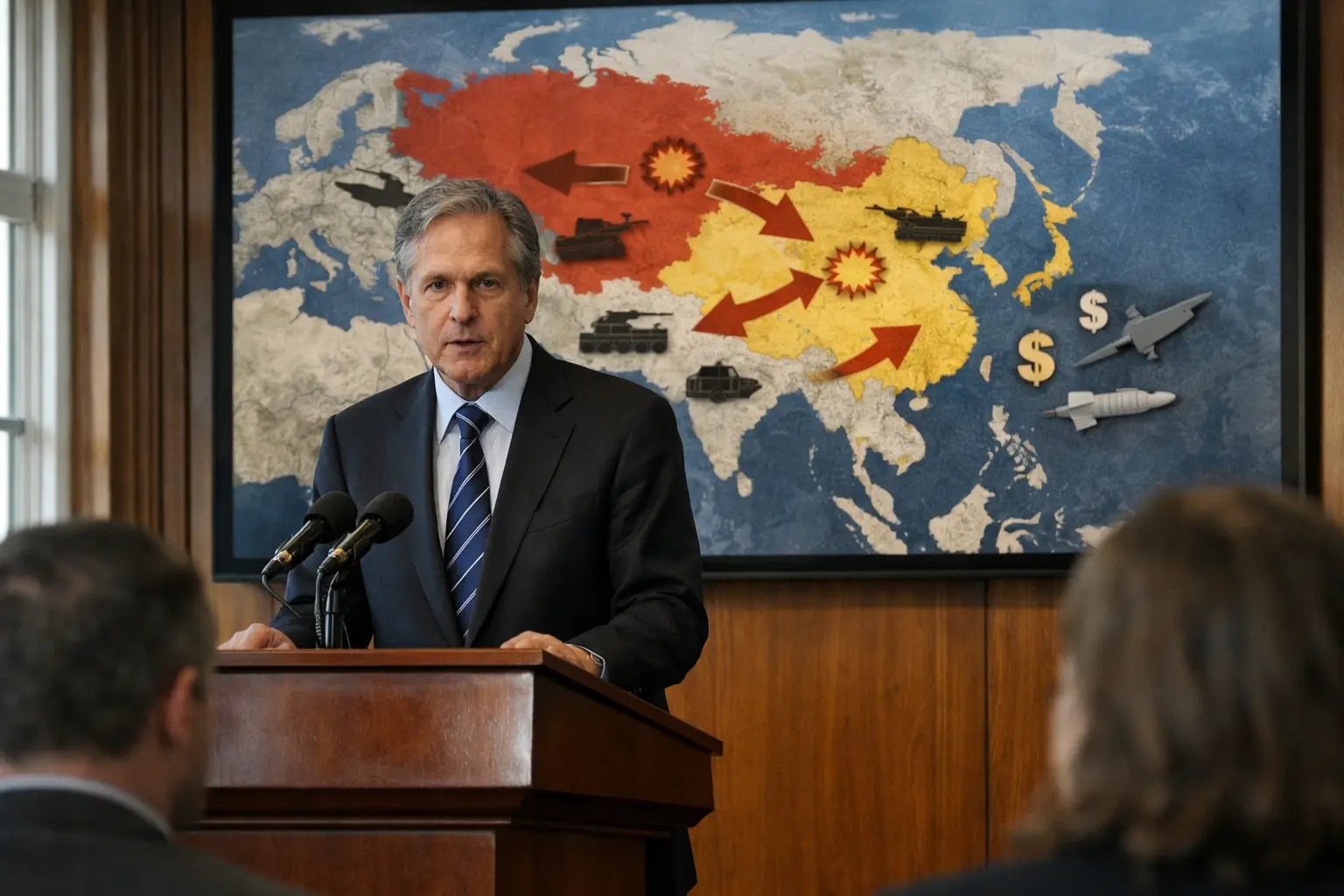






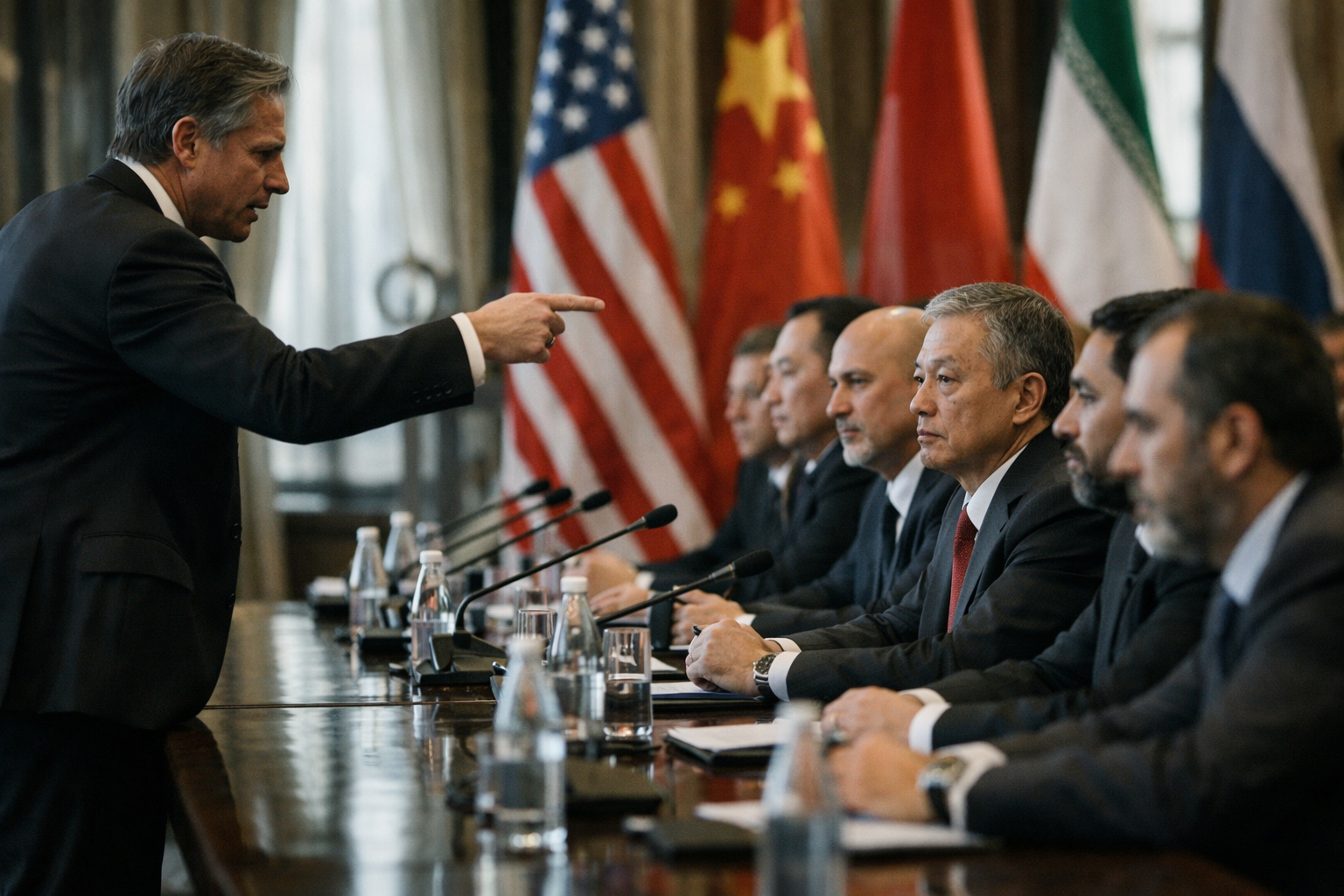
United States’ foreign conduct is under renewed scrutiny as observers highlight how strategies that humiliate rivals or partners can generate enduring resentment. Behaviour framed domestically as triumph or externally as degradation reshapes popular narratives and political identity in affected societies. Over time, these narratives can harden into persistent distrust, complicating efforts at negotiation and reconciliation.
Political scientists and security analysts point to several mechanisms through which perceived humiliation translates into long-term hostility. Public opinion can be mobilised against external actors, non-state groups may exploit grievances for recruitment, and regional rivals seize opportunities to expand influence. These dynamics inform debates over the aims and limits of foreign policy, highlighting a gap between short-term tactical gains and longer-term strategic costs.
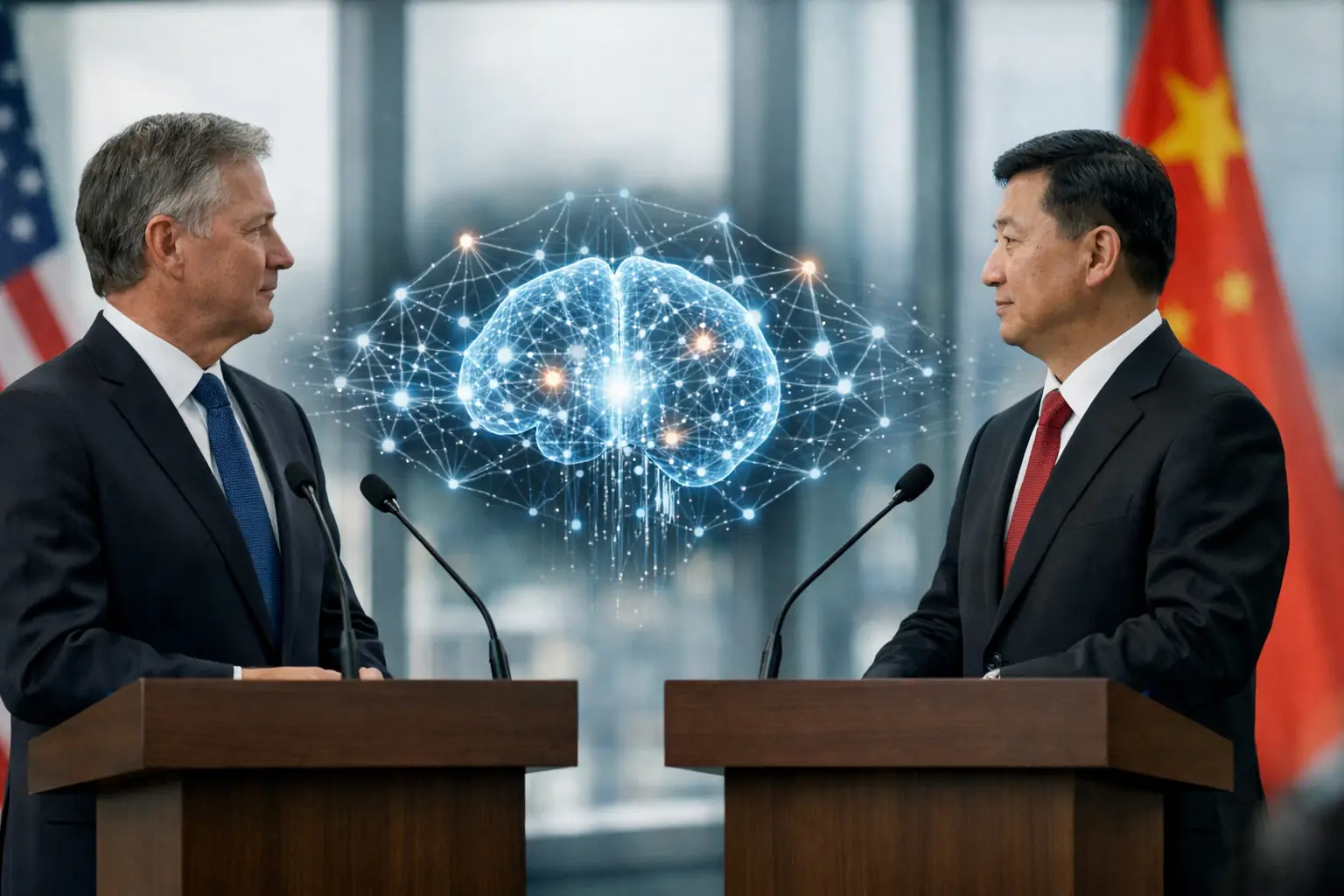
The implications extend to diplomatic relations, military posture and economic ties. Repairing ruptures requires sustained investment in confidence-building measures, channels for dialogue and policies that reduce the incentives for retaliatory behaviour. At the same time, alliances may be strained when partners perceive coercive tactics as counterproductive or when public backlash makes cooperation politically costly. The durability of distrust means that setbacks can reverberate across electoral cycles and administrations.
For policymakers, the central challenge lies in balancing immediate objectives with the reputational and strategic consequences of actions abroad. Measured engagement, transparent objectives and mechanisms for de-escalation can limit the risk that disputes harden into multi-generational antagonism. As global competition evolves, understanding how conduct abroad shapes long-term attitudes will be essential for managing security, economic relations and diplomatic outreach.