





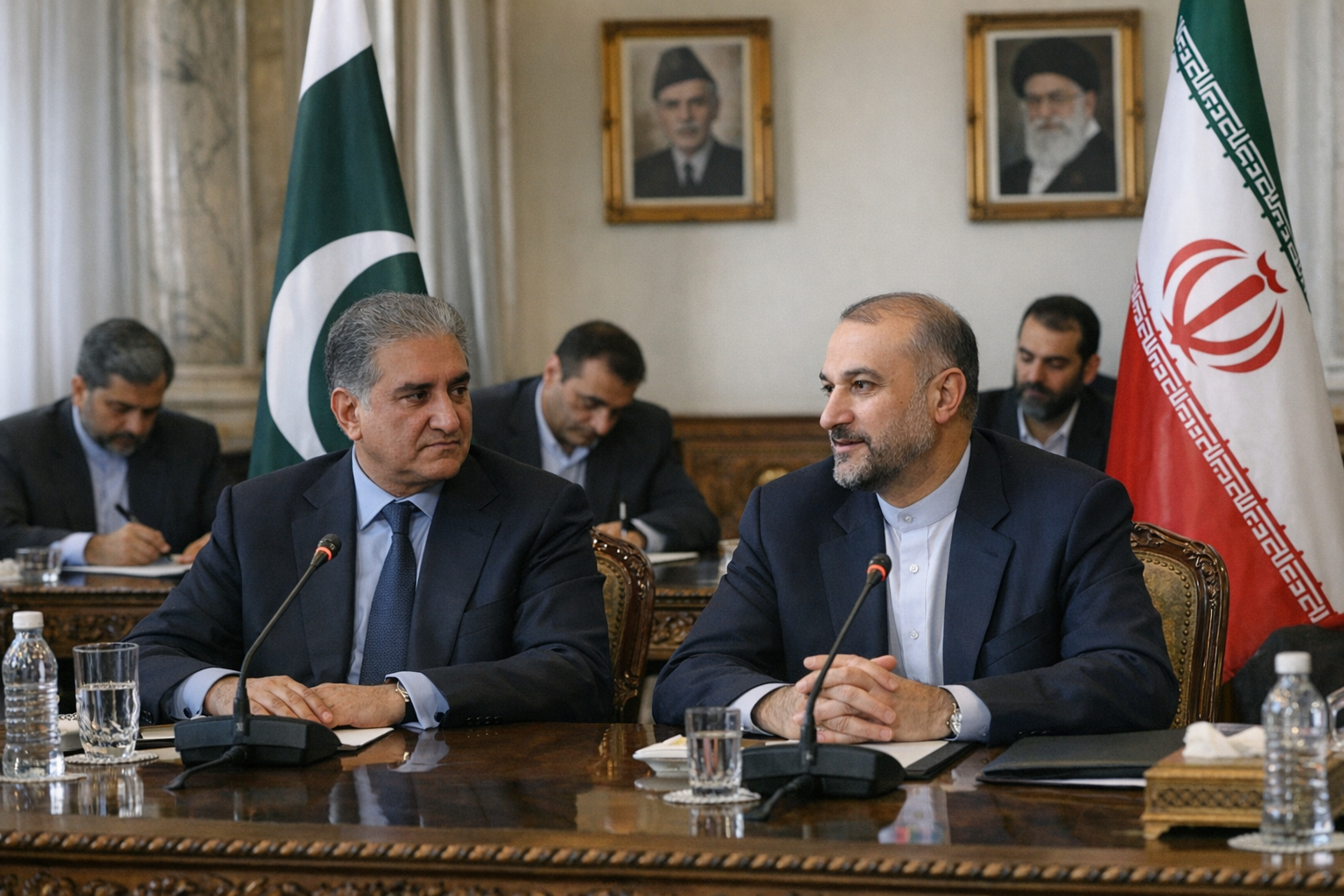
Pakistan and Iran announced meaningful progress after a series of talks in Tehran that aimed to halt the recent surge in hostilities tied to the wider confrontation involving the United States and Israel and Iran. The statement, issued as the visit concluded, attributed the outcome to focused discussions on steps to avoid further escalation and to identify pathways toward a negotiated end to fighting.
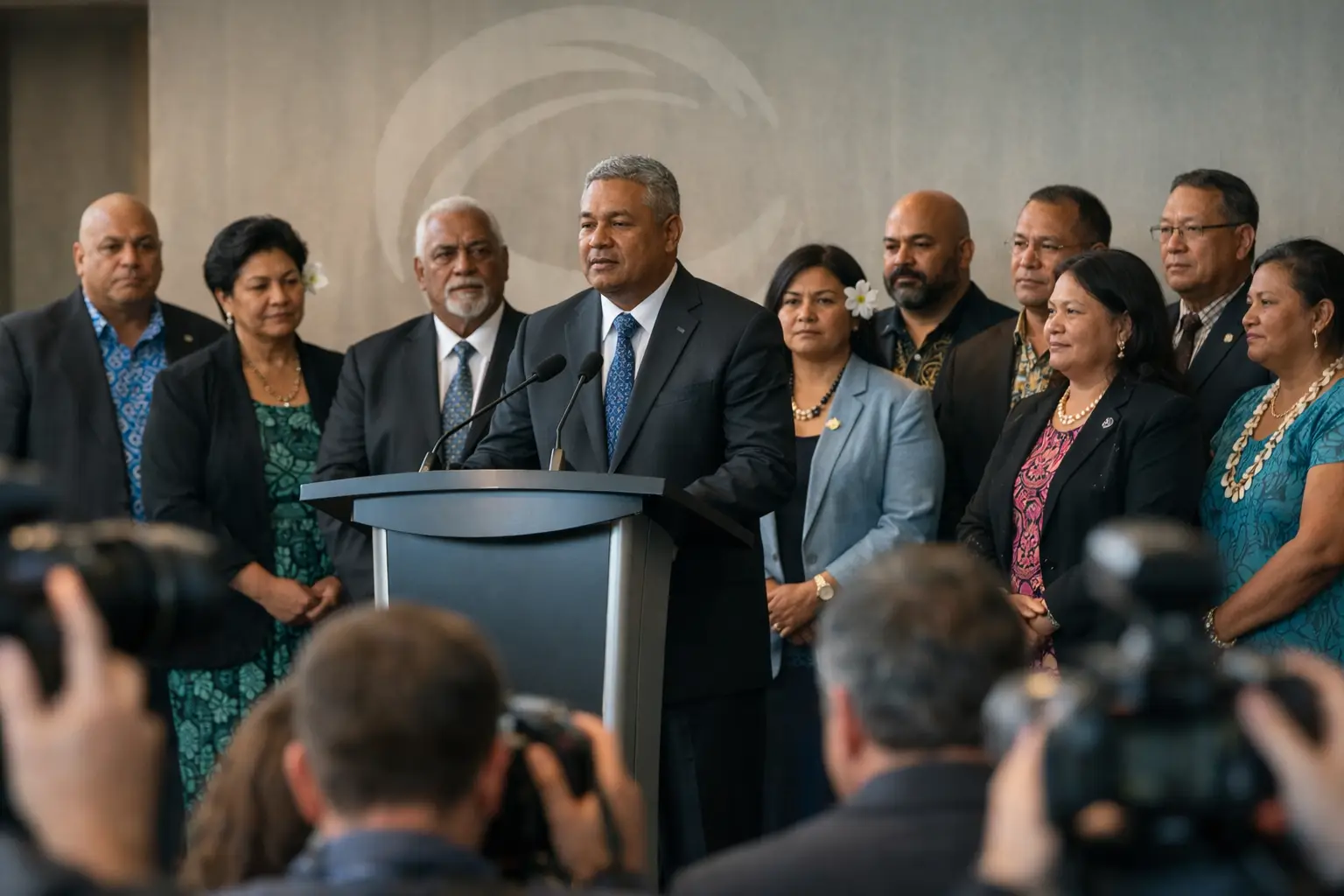
The meetings included a session between Asim Munir, Pakistan’s army chief, and senior figures from the Iranian leadership, according to a release by the Inter-Services Public Relations. Officials underscored three central lines of cooperation: preventing additional military escalation, measures to restore regular navigation through the Strait of Hormuz, and an expedited termination of hostilities. The Pakistani statement did not provide a timetable or further operational details.
Reopening and securing the Strait of Hormuz figures prominently because it remains a critical conduit for global oil shipments; interruptions there carry immediate economic and security implications beyond the immediate combatants. Islamabad’s engagement reflects a diplomatic thrust by a neighbouring state with direct interests in regional stability and maritime security. The discussions followed a pattern of regional contacts seeking to reduce the risk that localized confrontation could spill across borders and disrupt broader trade and energy routes.
The communiqué from Pakistan and the accounts of meetings in Tehran stop short of outlining verification mechanisms or specific next steps, leaving the implementation phase unclear. International observers and states with stakes in Gulf security will likely watch whether agreed measures move from declaration to enforcement. For now, the announcement marks a diplomatic insertion aimed at containing tensions and highlighting the role of bilateral engagement in efforts to stabilise the situation.