








Artificial intelligence is no longer just a technological promise. It has become an economic, social, and political reality. Each week brings its share of innovations, new tools, and new questions. Yet, behind the enthusiasm of investors and companies, one question remains: are our societies truly prepared for the upcoming revolution?
Economic history is punctuated by major transformations. The steam engine disrupted industry. Electricity transformed production methods. The internet revolutionized access to information. Artificial intelligence could go even further, because it directly touches upon what we previously believed was reserved for humans: the capacity to analyze, decide, create, and sometimes even reason.
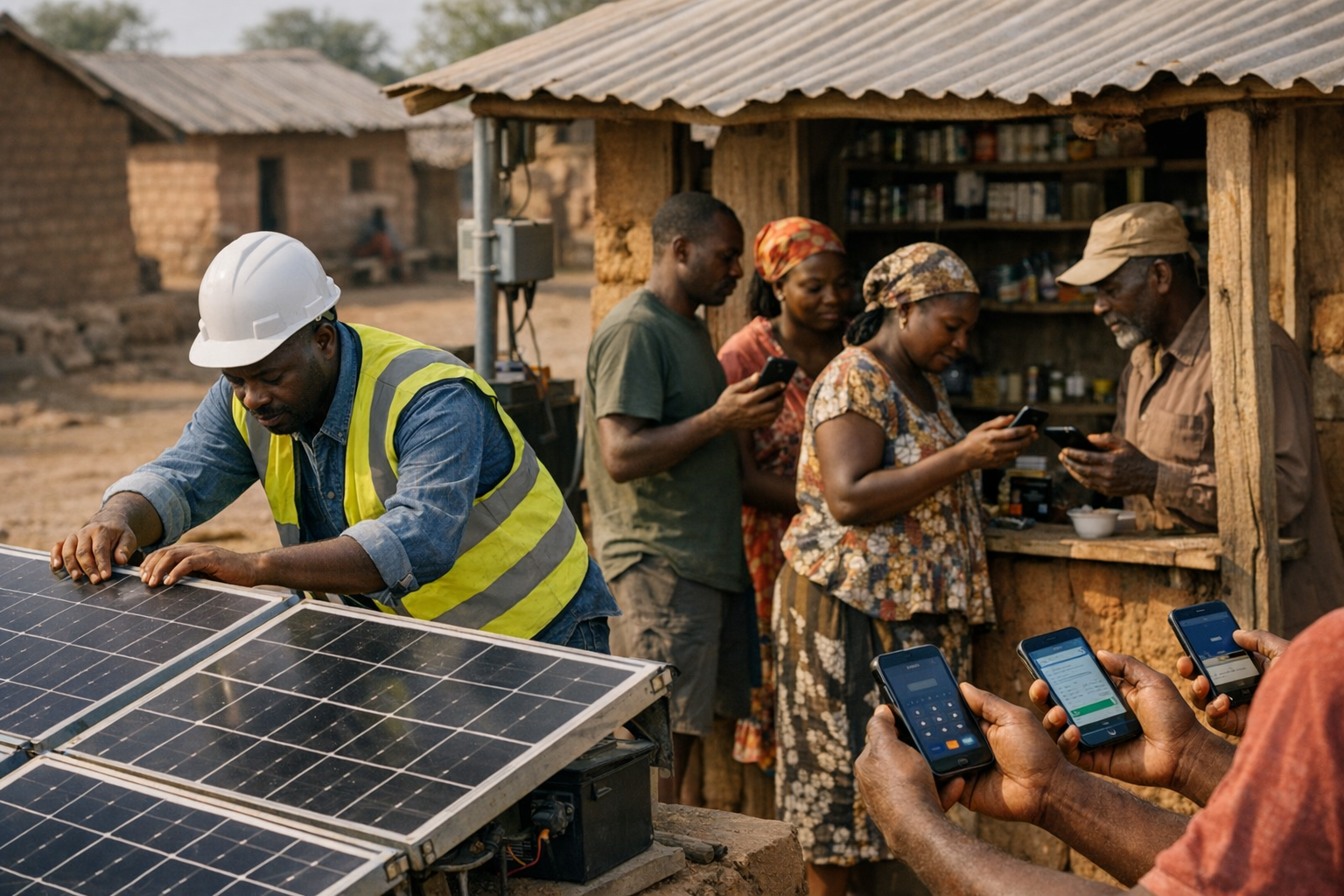
The consequences are already visible. Administrative jobs are being automated. Customer services are changing. The finance, healthcare, education, and media sectors are undergoing profound mutations. What was considered science fiction yesterday is now integrated into the daily lives of millions of people.
This evolution opens up considerable prospects. AI can accelerate medical research, optimize transportation, improve energy management, and increase productivity. But it also raises legitimate concerns.
What will become of certain jobs? How can personal data be protected? Who will be responsible when an automated decision produces unfair consequences? How can we prevent a few tech giants from concentrating unprecedented power over the global economy?
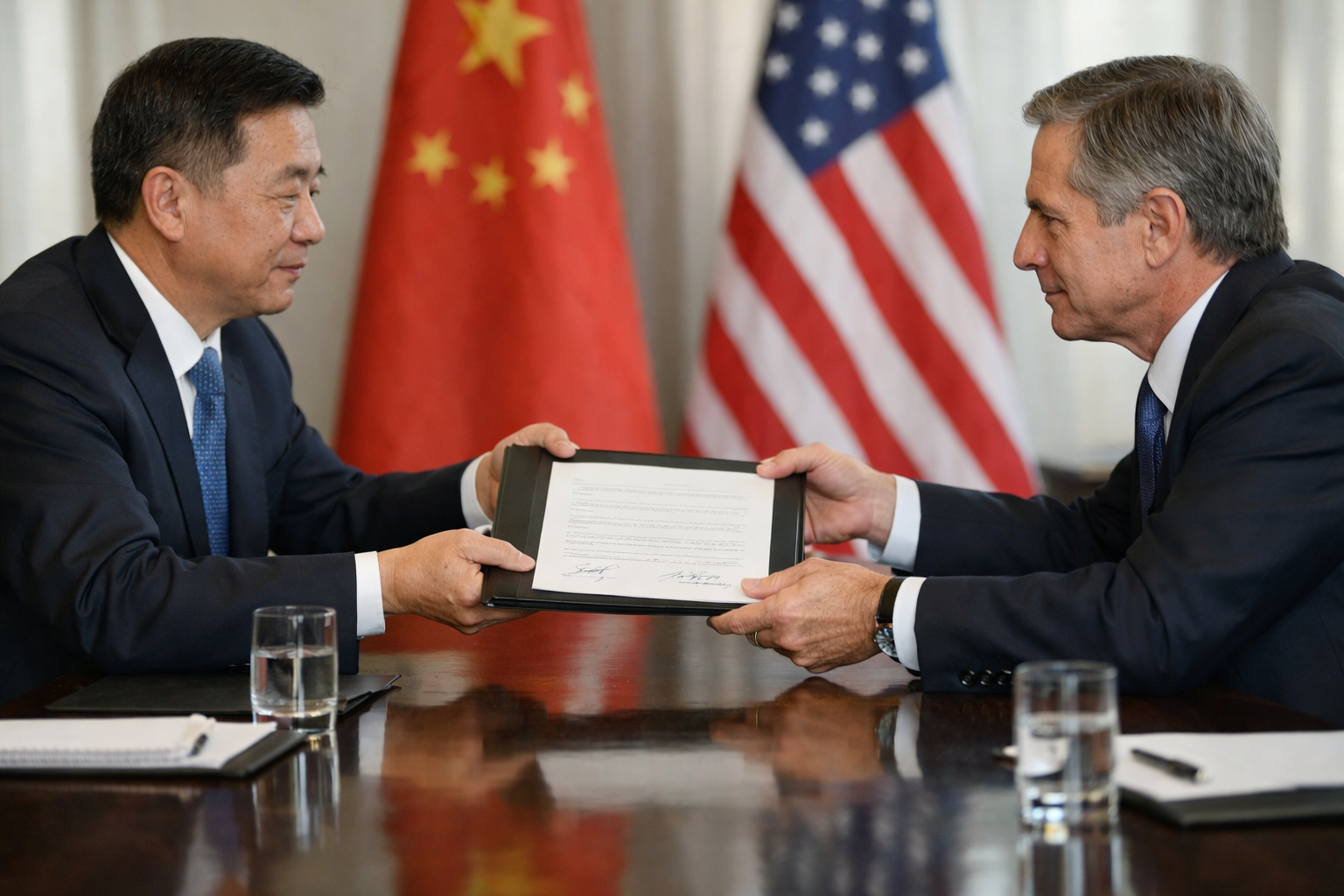
The real challenge is not technological. It is political. Governments often move slower than the innovations they seek to regulate. However, when a technology advances faster than the rules intended to govern it, the risk of instability increases.
Europe has a historic opportunity. It can choose to endure this revolution or contribute to defining the standards that will frame its development. Its digital future will largely depend on its ability to invest, innovate, and regulate with intelligence.
Artificial intelligence will probably not replace human beings. But it will undoubtedly replace those who refuse to adapt to its arrival.
Like all great revolutions, this one will not only raise the question of what technology can do. It will, above all, raise the question of what we want to become.
By Isaac Hammouch