






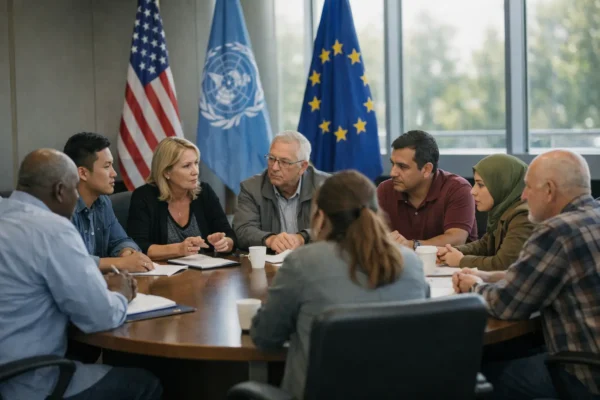
Rebuilding U.S. Credibility Abroad Starts with Pluralism at Home
To lead again on human rights, the U.S. must restore pluralism at home and pursue consistent, multilateral engagement abroad.
To lead again on human rights, the U.S. must restore pluralism at home and pursue consistent, multilateral engagement abroad.
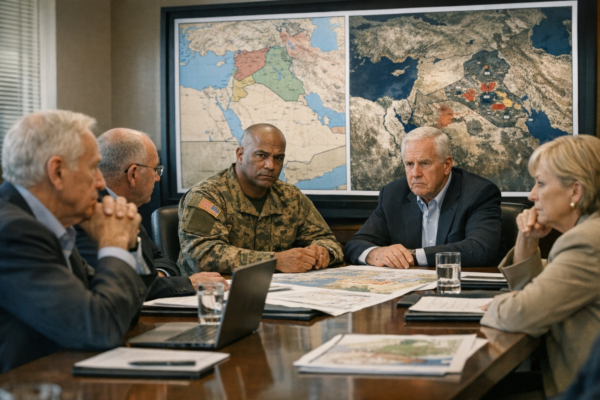
How Washington’s strategic, legal and diplomatic options shape the risk of escalation with Iran after the midterm elections.
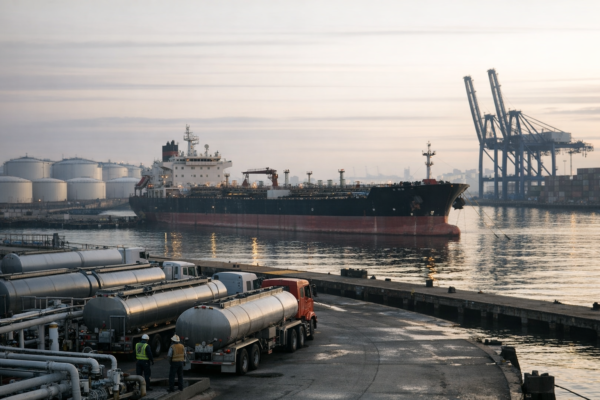
Banning diesel exports to curb prices risks market disruption, lost investment and strained alliances, with limited relief for consumers.
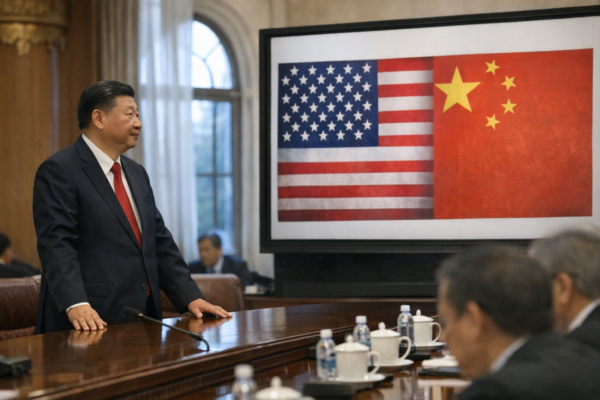
An evidence-based look at Beijing’s strategic response to U.S. policy under Trump and the lasting effects on bilateral ties.

Gulf states’ security balancing has not prevented economic and security fallout from regional war, exposing limits of current strategies.

Gulf states’ balancing acts — with Washington, Tehran and other partners — have not prevented economic and security fallout from regional conflict.
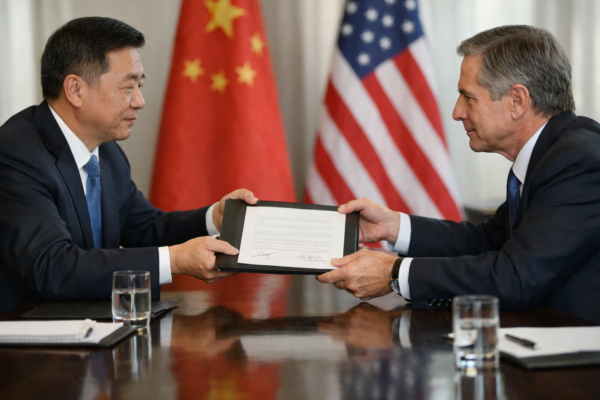
In 19 months Washington ceded economic and diplomatic ground to Beijing, reshaping regional ties and global institutions.

Washington’s demand that Seoul deploy forces to the Strait of Hormuz is creating political friction and strategic dilemmas for the U.S.–South Korea partnership.
How conservative principles intersect with the practical advantages of a rule-based global order.
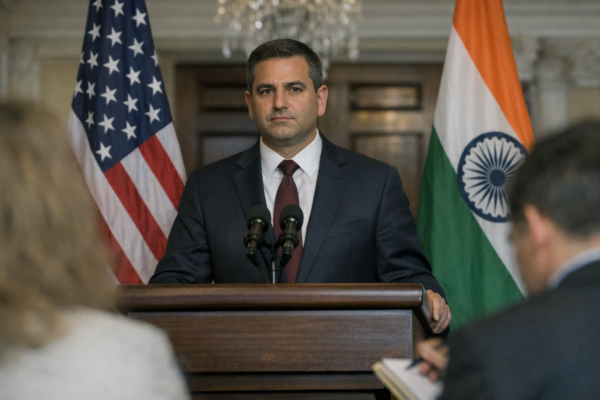
Unclear envoy statements raise questions about who sets U.S. messaging on South Asia and the diplomatic consequences for partners like India.