











A New Iran Conflict Would Put U.S. Middle East Leadership at Risk
A renewed confrontation with Iran would strain U.S. alliances, regional stability and Washington’s credibility across the Middle East.
A renewed confrontation with Iran would strain U.S. alliances, regional stability and Washington’s credibility across the Middle East.

U.S. foreign-policy debate remains divided, but few strategies address how Washington would manage a period of relative decline.
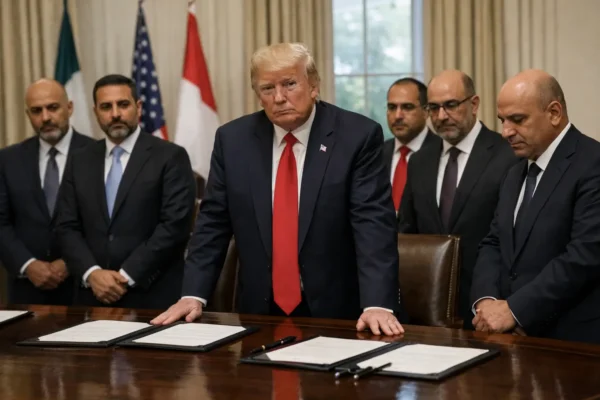
Trump-era bilateral agreements reshaped Middle East diplomacy but also risked deepening rivalries that complicate U.S. interests.
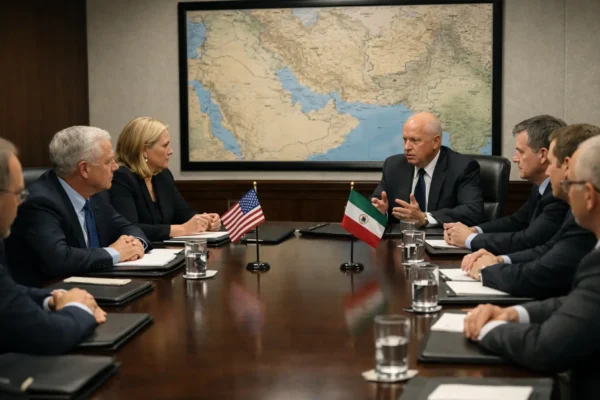
Washington faces difficult choices on Iran, but maintaining pressure, diplomacy and deterrence remains the least risky path.
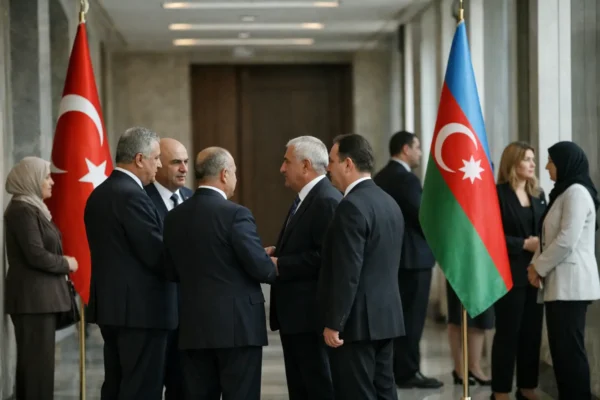
A dispute over veiling highlights deeper questions of sovereignty, secular governance and political influence between Turkey and Azerbaijan.
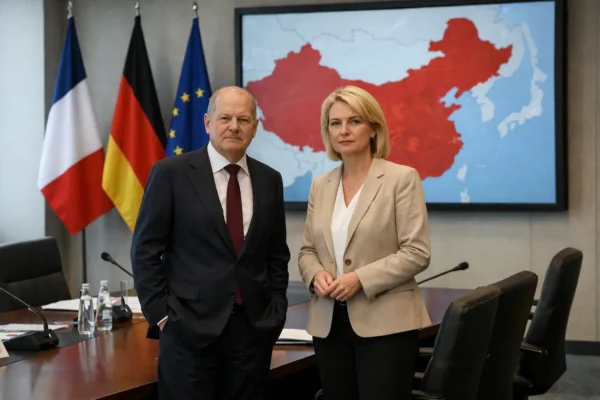
France and Germany press for leverage over China, but sustaining gains requires deep domestic reforms and EU coordination.
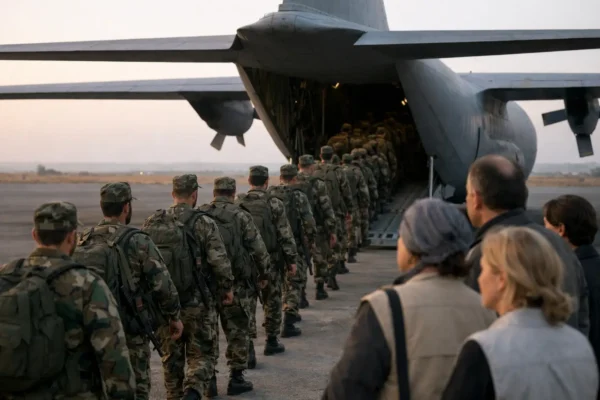
Experts warn that sending Syrian units to Yemen could undermine Syria’s fragile recovery and complicate regional diplomacy and humanitarian relief.

A diplomatic rupture with the UAE highlights Algeria’s effort to recover influence across North Africa and beyond.
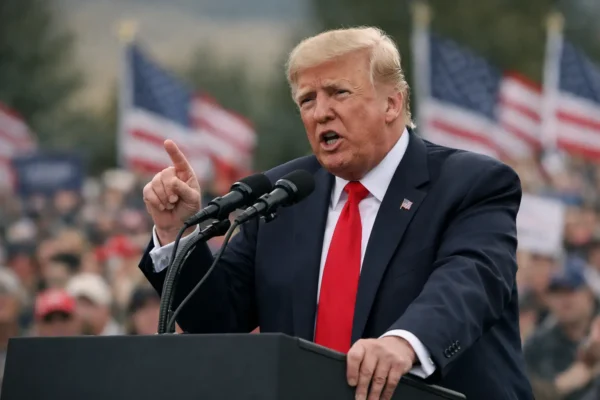
At a Montana rally, President Trump said he did not know who U.S. officials were negotiating with to end the Iran conflict, criticizing the country’s military and leaders.
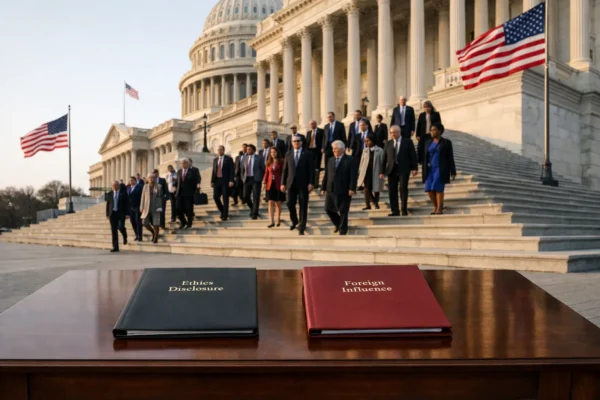
Lawmakers can tighten ethics, disclosure and enforcement to prevent foreign influence tied to senior advisers and restore public trust.