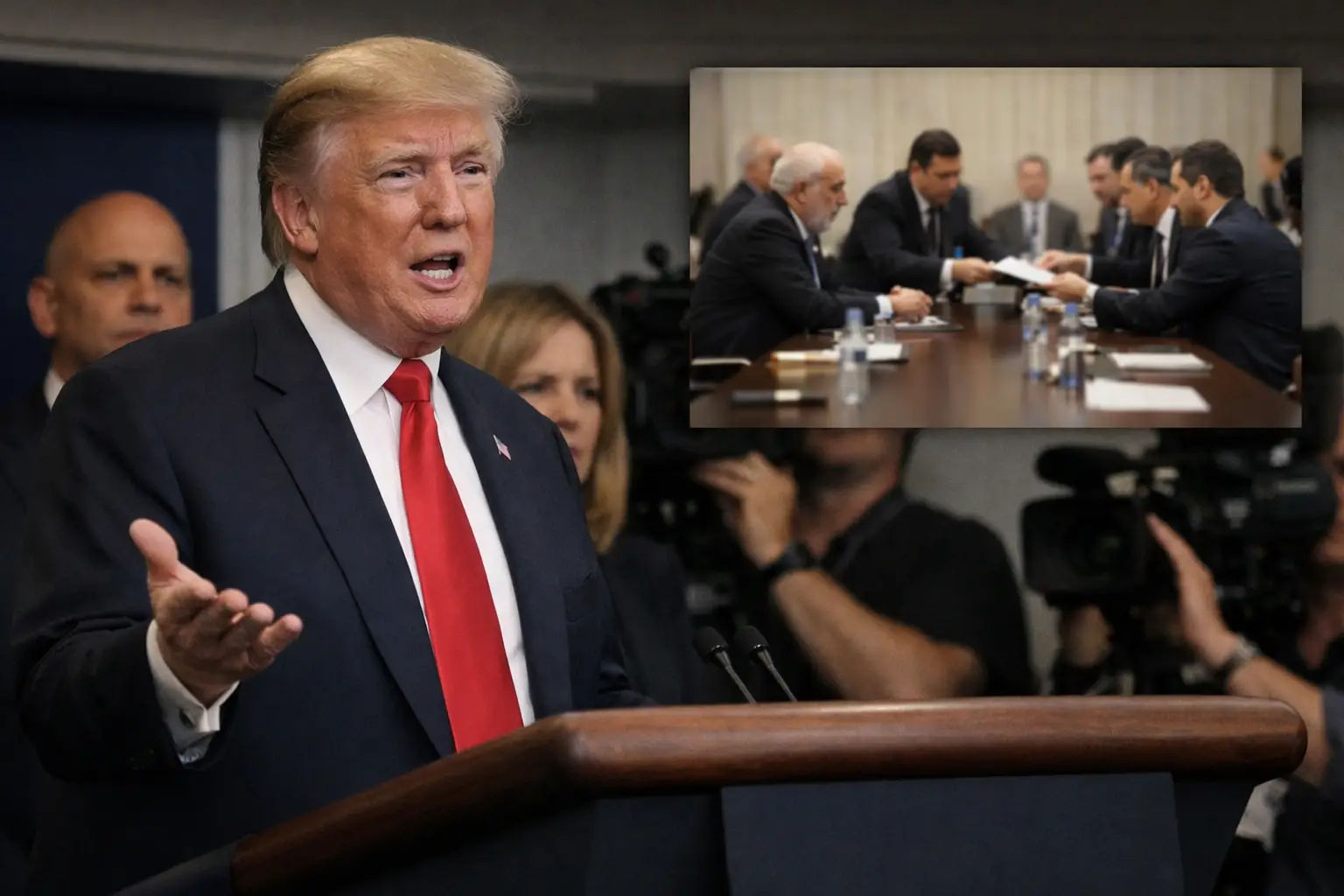






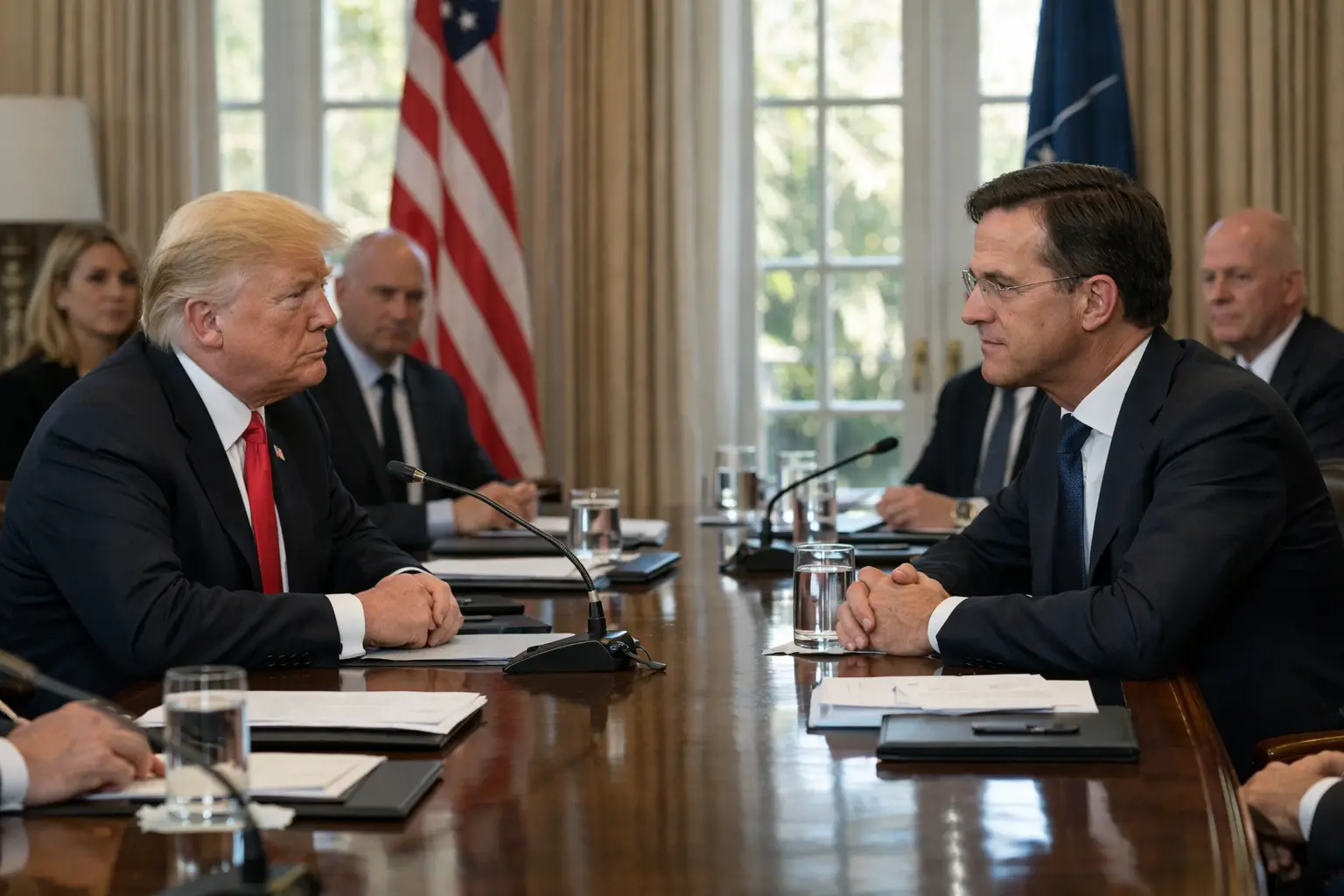
President Donald Trump is scheduled to meet Mark Rutte, the head of NATO, in Florida on Wednesday, placing the transatlantic alliance back at the centre of Washington’s diplomatic calendar after a week dominated by high-profile encounters in Asia. The White House put the meeting in Palm Beach for late Wednesday afternoon, offering only limited details on the format and no public agenda for the talks.
The appointment comes shortly after Donald Trump met Russian President Vladimir Putin and Chinese leader Xi Jinping during a summit in Asia. Trump described both leaders as his "friend" during those encounters, a choice of language that drew renewed attention to how his administration balances personal diplomacy with the demands of long-standing security partnerships. The Florida meeting with Rutte will therefore be closely watched for signals about the tone of relations between Washington and the alliance’s leadership.
Trump has repeatedly criticised America’s Western allies, a position that has made NATO a recurring test of his foreign-policy approach. For the alliance, the relationship with the United States remains central: Washington is its most powerful member and a key actor in decisions that shape the security of Europe and North America. Rutte, a former Dutch prime minister, leads NATO at a time when allied cohesion, defence spending and the management of strategic competition remain prominent issues for member governments.
The White House announcement identifies Palm Beach as the setting rather than Washington, adding a domestic political backdrop to a meeting with international implications. No new policy measures were announced alongside the scheduling notice, and no official statement has outlined specific subjects for the conversation. Even so, the timing gives the encounter broader relevance: it follows Trump’s direct meetings with the leaders of Russia and China and precedes any public indication of how the administration intends to frame its next phase of engagement with European allies.
For NATO, the discussion arrives at a moment when allied governments continue to assess Washington’s priorities under Trump. The meeting with Rutte offers an opportunity for the alliance’s leadership to engage the US president directly after his Asia trip, while also underlining the continuing importance of the United States within the Western security architecture. Its outcome will be measured less by ceremony than by whether it clarifies the administration’s approach to allies it has often challenged in public.