








Population ageing is reshaping healthcare systems in ways that extend far beyond demographic statistics. As life expectancy increases and birth rates decline across many countries, hospitals, public finances and long-term care services are adapting to a growing number of older adults with different medical and social needs than previous generations.
The most significant change is not simply that people are living longer, but that they are living longer with chronic conditions. Diseases such as diabetes, cardiovascular disorders, dementia and respiratory illnesses often require continuous treatment rather than short periods of acute care. This shift changes how healthcare systems allocate resources and organize services.
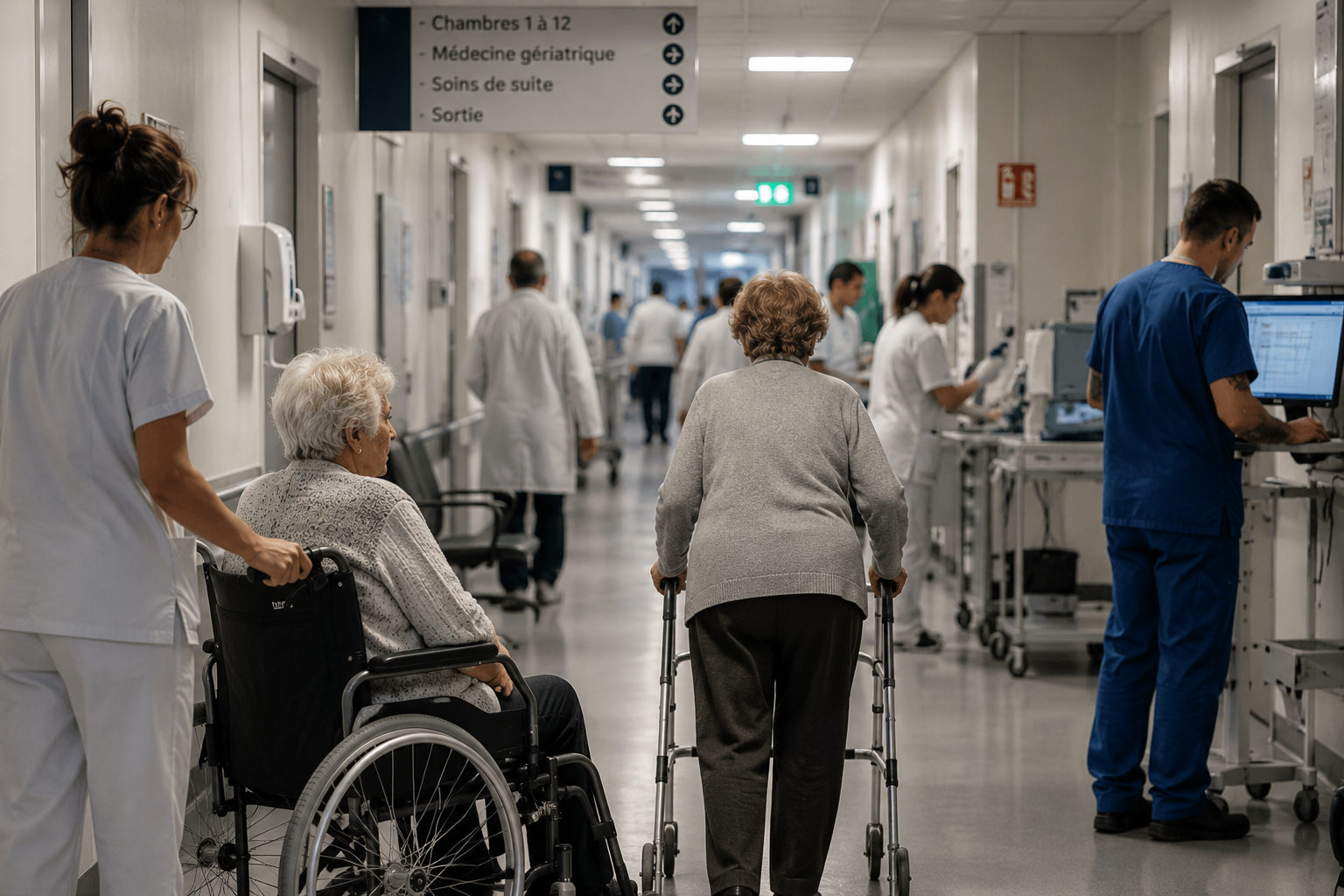
Hospitals are already experiencing the effects. Older patients are more likely to present multiple medical conditions simultaneously, requiring coordination between specialists rather than treatment focused on a single illness. Recovery periods may also be longer, increasing demand for hospital beds and rehabilitation services. As a result, many healthcare providers are reassessing how acute care facilities interact with community medicine and long-term support.
This transformation extends beyond hospitals. Healthcare systems increasingly emphasize prevention, early diagnosis and continuous monitoring to reduce avoidable hospital admissions. Primary care physicians, nurses, pharmacists and home healthcare professionals play a larger role in managing chronic diseases before they develop into medical emergencies.
Long-term care has become another central issue. Many countries are investing in services that allow older adults to remain in their own homes for as long as possible. Home nursing, telemedicine, remote health monitoring and assisted living technologies are expanding alongside more traditional residential care facilities. These approaches seek to balance quality of life with the growing demand for healthcare services.
Public finances are also affected. As populations age, healthcare expenditure typically rises due to increased demand for medical treatment, pharmaceuticals and long-term assistance. At the same time, governments must consider the sustainability of pension systems and social care budgets. The challenge is not limited to increasing expenditure but also to determining how resources should be distributed across prevention, treatment and long-term support.
Healthcare workforces face growing pressure as well. Demand for doctors, nurses, caregivers and allied health professionals continues to increase, while many countries report shortages in several medical professions. Workforce planning, education and retention policies are becoming as important as investments in hospitals or medical technology.
Technology is expected to play an expanding role in addressing these challenges. Electronic health records, artificial intelligence, wearable medical devices and remote consultations allow healthcare providers to monitor patients more efficiently and improve coordination between different services. These innovations, however, require investment, digital infrastructure and appropriate regulatory frameworks.
The impact of ageing is not uniform across countries or regions. Demographic structures, healthcare models and public funding mechanisms differ considerably, leading governments to adopt different strategies. Some prioritize strengthening primary care, while others focus on expanding long-term care services or investing in preventive medicine.
Population ageing is therefore changing more than the demand for healthcare. It is redefining how hospitals operate, how governments allocate public resources and how care systems are designed. Rather than responding to a temporary demographic trend, healthcare systems are adapting to a long-term structural transformation that will continue to influence public policy, medical practice and social services for decades to come.