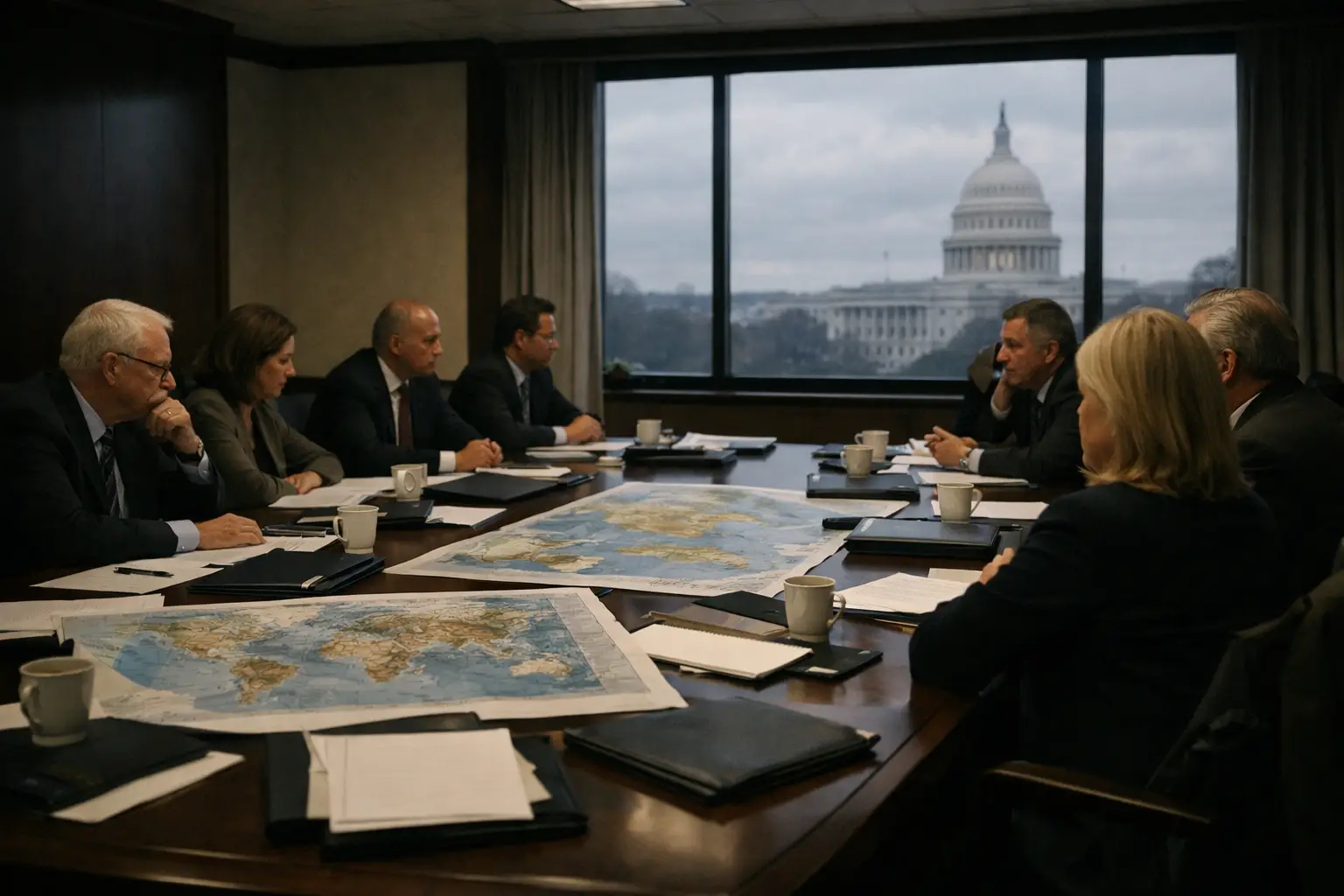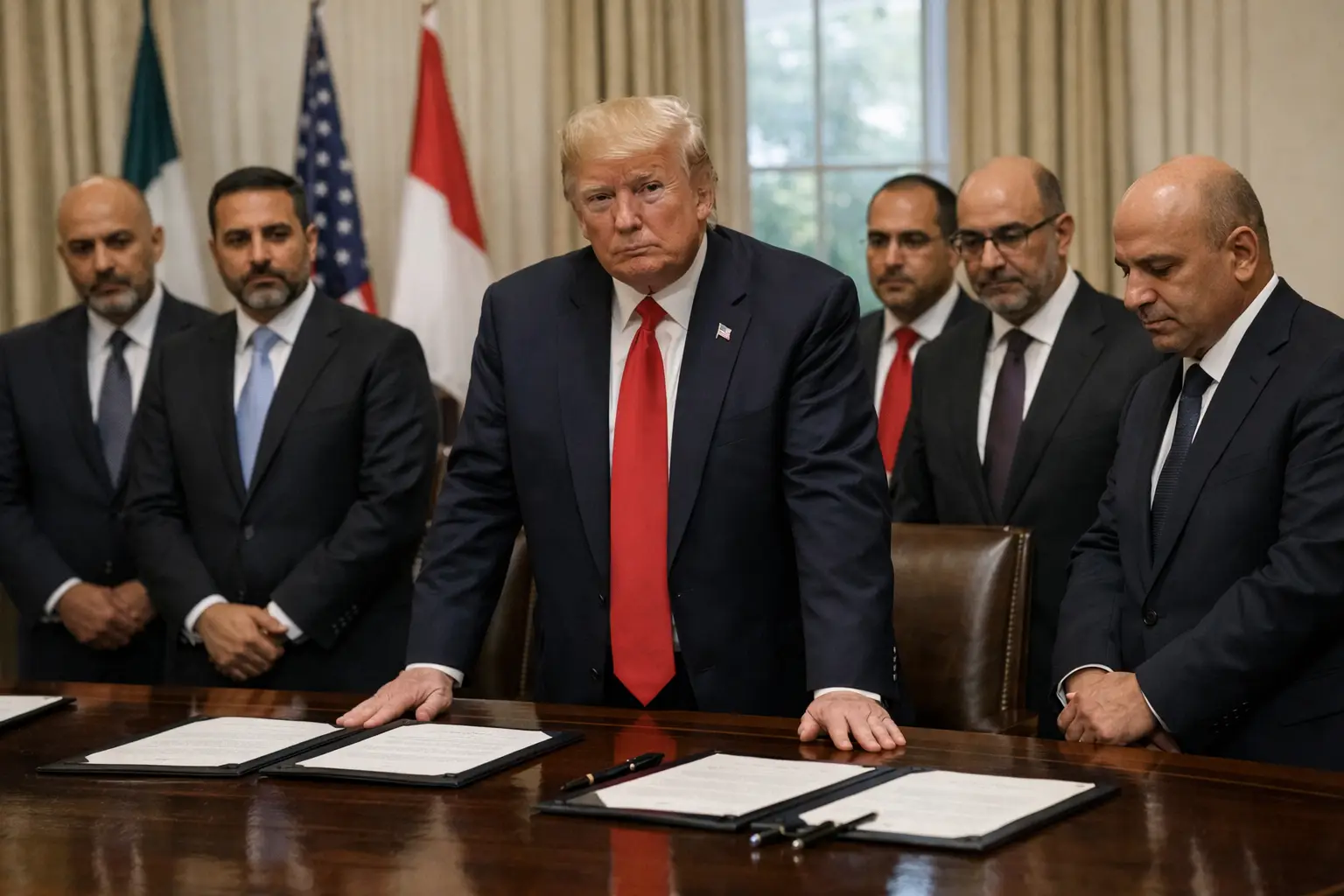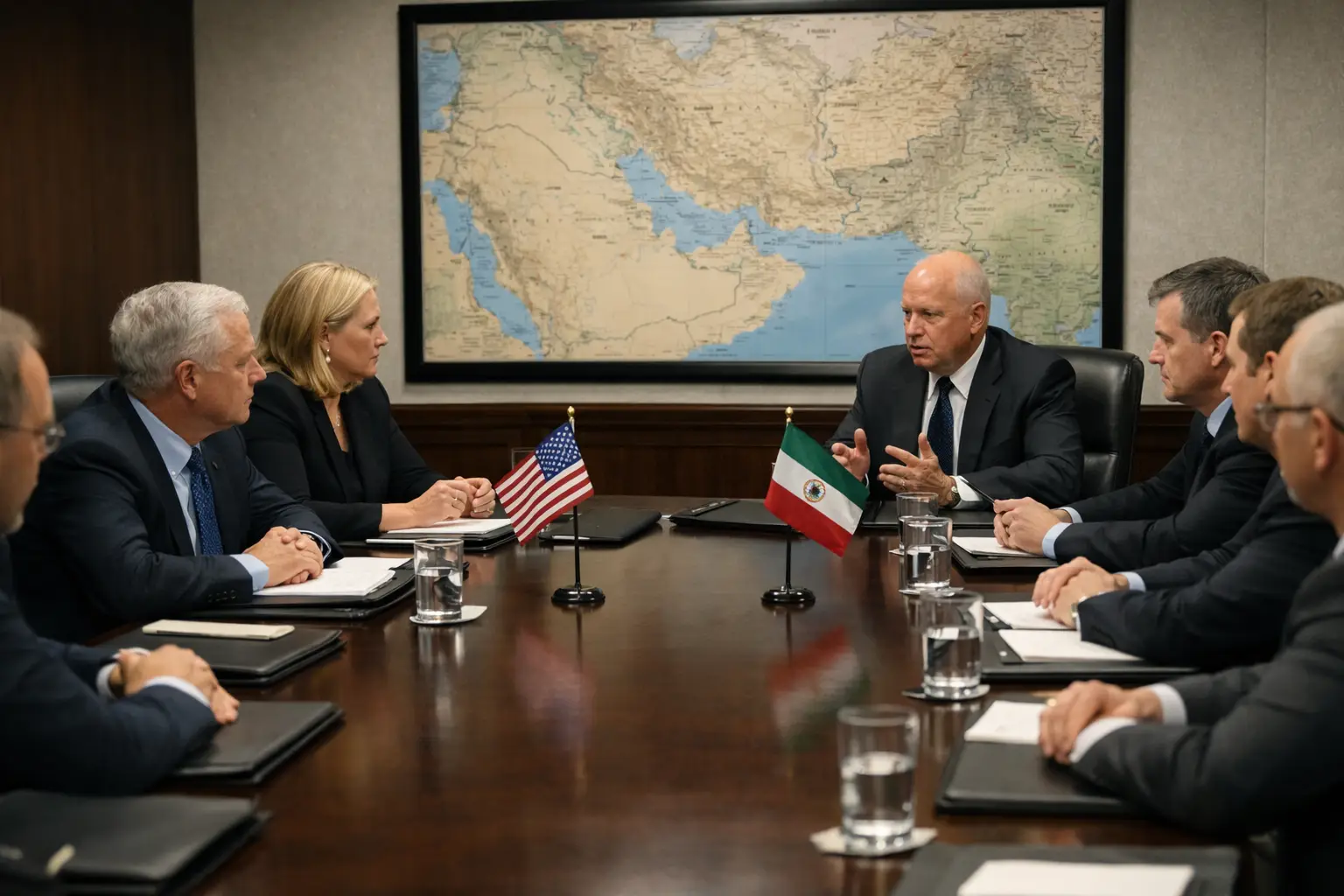







A renewed confrontation with Iran would place the United States at the center of another high-risk crisis in the Middle East, at a time when Washington’s ability to shape regional outcomes is already under scrutiny. The prospect of closer alignment between Benjamin Netanyahu and Donald Trump on Iran policy would revive questions about the limits of military pressure and the consequences of another escalation involving Israel, the United States and Tehran.
The central issue is not only Iran’s nuclear program, monitored by the International Atomic Energy Agency, but the broader regional balance that surrounds it. Iran remains a major actor through its state institutions and allied networks, while Israel regards Tehran as a strategic threat. Any move toward a new military campaign would therefore carry immediate implications beyond the two countries, affecting Gulf partners, shipping routes, energy markets and U.S. forces stationed in the region.
For Washington, the political cost would be significant. The White House has long presented American power in the Middle East as a tool for deterrence, alliance protection and crisis management. A new war, however, would test whether military action can still reinforce U.S. influence or instead deepen doubts among regional governments about American judgment. Partners that rely on U.S. security guarantees could support containment of Iran while still fearing the economic and security fallout of a wider conflict.
The Israeli dimension is equally decisive. The Israeli Prime Minister’s Office has consistently framed Iran as an existential security challenge. Yet an expanded confrontation would not be limited to Israeli defense calculations. It would raise the risk of retaliation, draw in regional theaters where Iranian influence is present, and increase pressure on Western governments already managing diplomatic divisions over security policy in the region.
Another war with Iran would also narrow the space for diplomacy. The collapse of trust around previous nuclear negotiations remains a defining factor in the current climate, and renewed hostilities would make verification, restraint and future agreements harder to sustain. For the United States, the strategic question is whether another round of confrontation would strengthen deterrence or accelerate the erosion of its authority in a region where credibility depends not only on force, but on the ability to prevent crises from becoming open-ended wars.