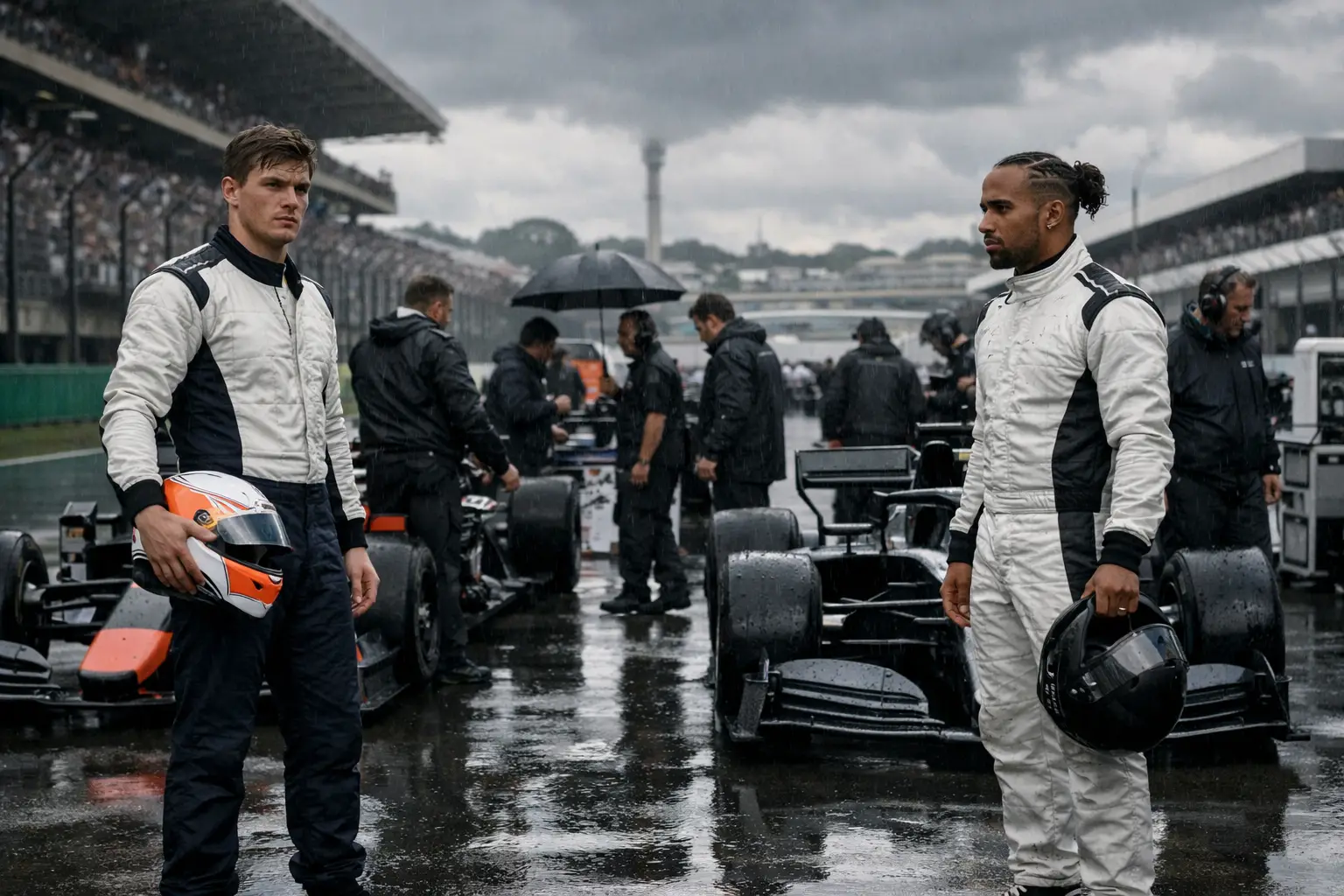








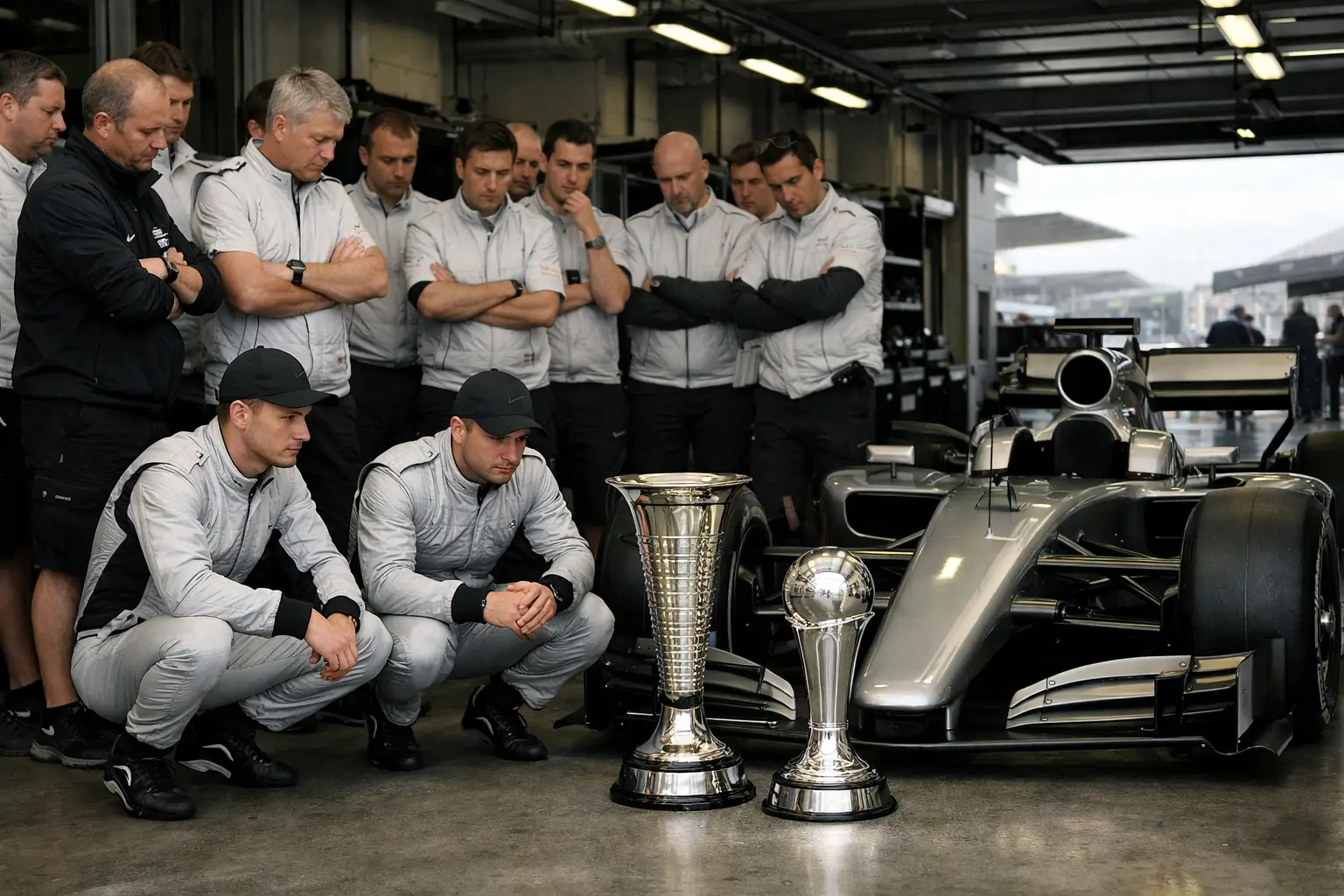
A dominant Mercedes start has given the latest rule cycle in Formula 1 a clear early reference point. By securing both major championships, Mercedes has converted technical strength, operational discipline and race execution into the kind of double triumph that immediately defines a generation of regulations. Yet the same result also sharpens the central question for the sport: whether this is the beginning of another prolonged spell of control, or the opening act of a more closely contested era.
The first season under a new technical framework often rewards the team that interprets the rules most effectively from the outset. In that sense, Mercedes’ advantage matters beyond the trophies themselves. It establishes a development target for every rival on the grid and sets the competitive standard in areas that decide modern Formula 1: car concept, efficiency, reliability, strategy and the speed of upgrades. Dominance at the start of a rules cycle can look decisive, but it also gives opponents a visible benchmark to chase.
That is why the wider implications are more complex than a simple coronation. New regulations tend to create steep learning curves across the paddock. Teams that begin behind can close gaps as they understand which design paths are productive and which are limiting. The competitive order can tighten when rivals refine their packages, improve correlation between simulation and track performance, and reduce mistakes over a campaign. Mercedes’ title double therefore does not remove uncertainty; it raises the standard required to compete in the seasons that follow.
For the championship, the prospect of convergence is significant. A strong leader gives the series a narrative centre, while the possibility of challengers finding performance keeps interest alive beyond one team’s success. The health of motorsport at the top level depends not only on excellence, but on credible confrontation between different teams and technical ideas. Mercedes has earned the early authority in this regulatory era, but the conditions are in place for pressure to build as competitors adapt.
The result is a championship landscape with two forces moving at once: a team that has already proved it can master the rules, and a field with room to respond. Mercedes’ double is therefore both a statement and an invitation. It confirms who currently leads Formula 1’s newest phase, while leaving open the possibility that the next chapter may be defined less by domination than by the pursuit of it.