







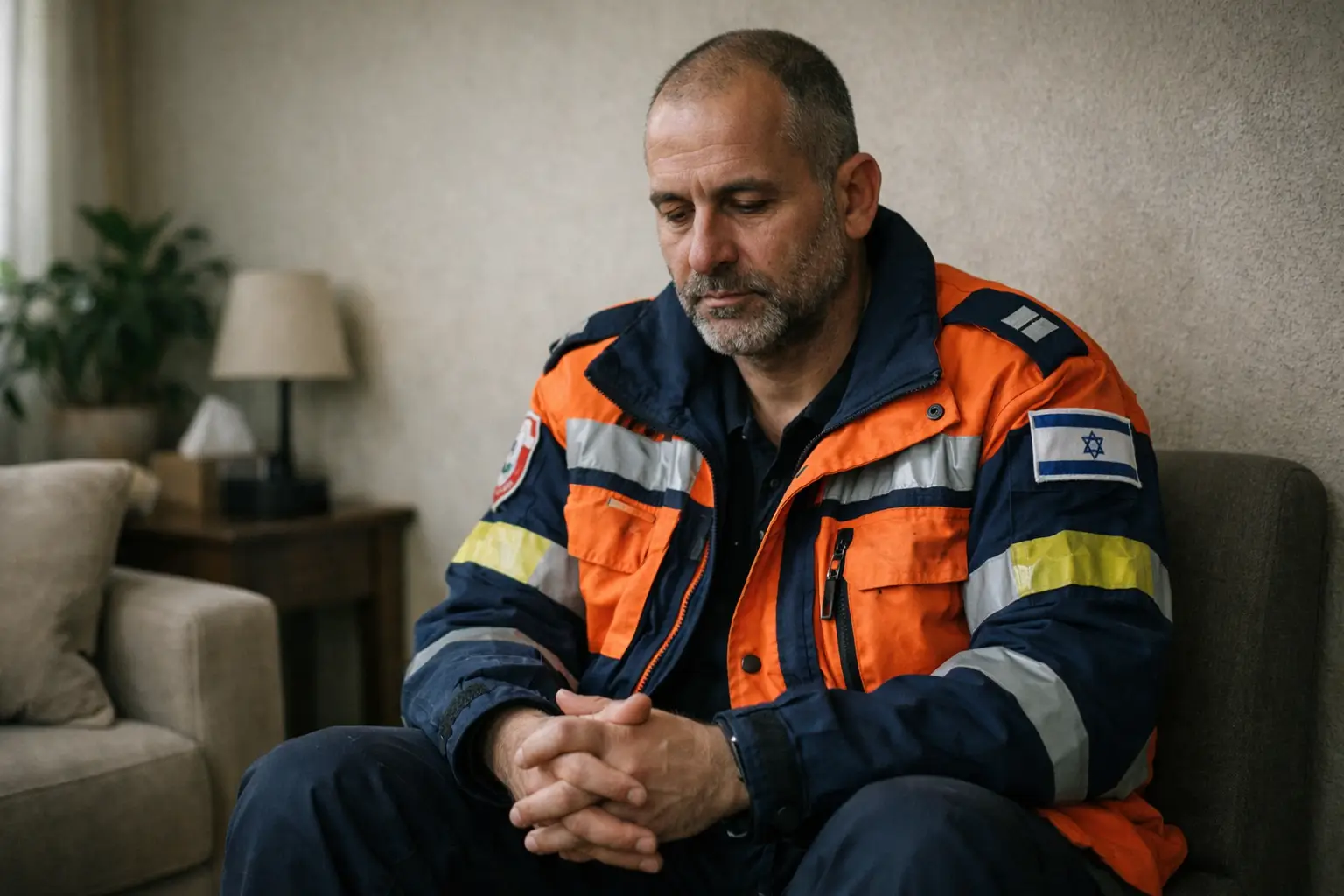
Three years on, Natan Kenig remains unable to put the events of October 7 behind him. The Israeli rescuer says images and sounds from that day—rockets, burning vehicles, and the sight of dead bodies—return unbidden whether he is awake or asleep, at home or in public.
Natan Kenig describes the scenes he encountered as among the most brutal he has ever seen. Those memories have intruded on daily life and prompted him to seek professional help; he has needed to see a therapist to manage recurring flashbacks and the distress they cause.
The assault on Israel three years ago, carried out by Hamas, is widely regarded as the deadliest attack in the country’s history. Individual testimonies such as Kenig’s underline the lingering psychological consequences for survivors and emergency personnel who responded on the ground. Advocates for mental health care say accounts from first responders are important to understand the long-term demands created by mass violence.
As the anniversary passes, Kenig’s experience illustrates how traumatic events can persist in memory and disrupt everyday functioning. His decision to pursue therapy reflects an immediate response to symptoms that many survivors report: intrusive recollections, emotional distress, and difficulty resuming routine activities. Personal stories like his continue to draw attention to the human toll left in the wake of the October 7 assault and the ongoing needs of those who lived through it.