







Kuwait’s drone alert placed the Gulf on a renewed security footing after US strikes hit an Iranian island, adding pressure to a regional conflict that has already drawn in Washington and its close Arab partners. Kuwait said on Wednesday that it was countering “hostile drone attacks”, while Gulf allies of the United States remained on guard against possible escalation.
The warning underlined the exposure of Gulf states to a confrontation centred on Iran and the United States. The latest tensions follow an American strike on an Iranian island, a development that sharpened security concerns across a region where military facilities, energy infrastructure and sea routes sit close to the front line of any wider crisis. The conflict has reached an impasse roughly six months after US-Israeli strikes on Tehran triggered the current phase of hostilities.
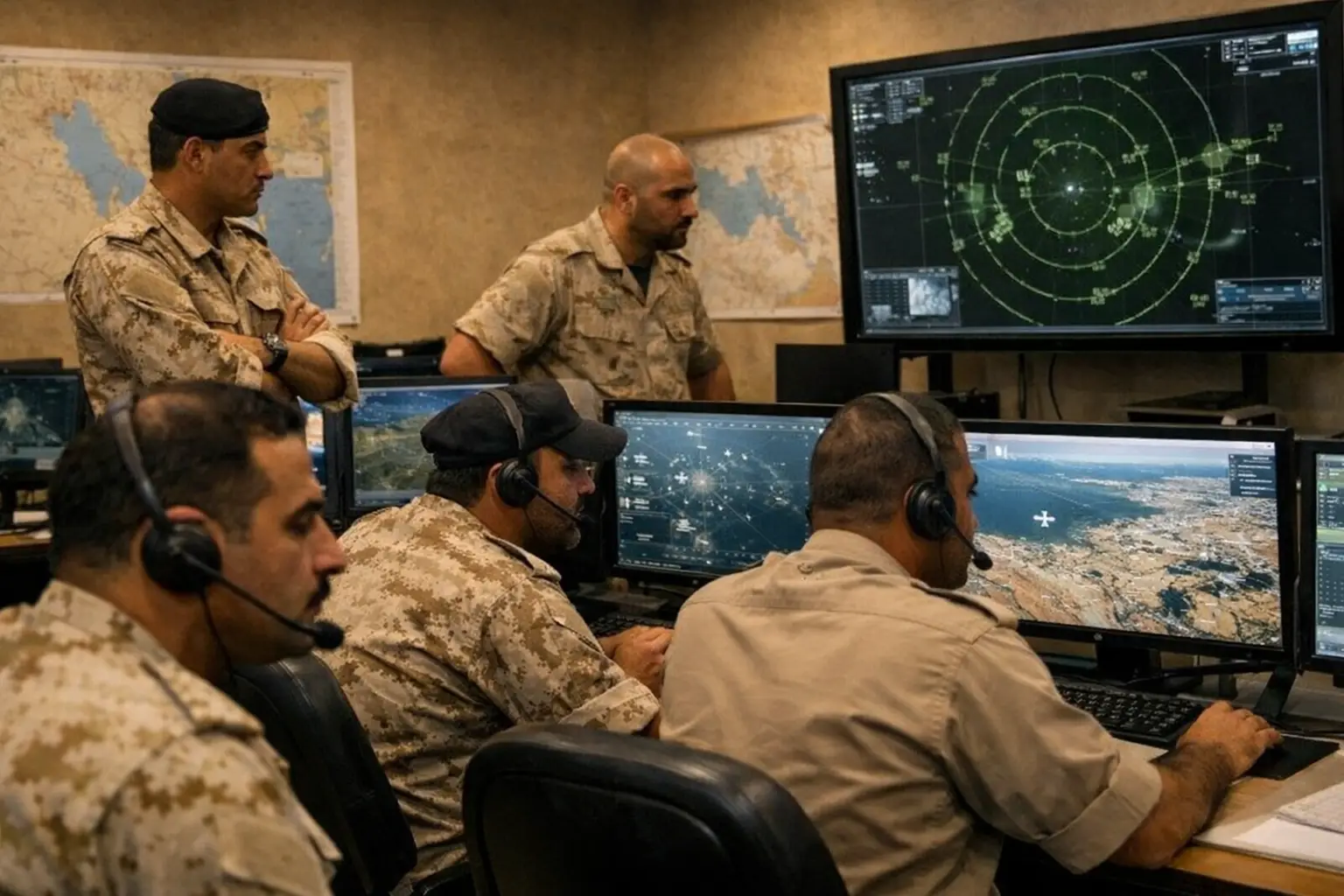
For Kuwait and other Gulf governments aligned with Washington, the immediate concern is the risk that drone attacks could test air defences and disrupt civilian and military operations. These states have long balanced close defence ties with the United States against the need to limit direct exposure to confrontations involving Iran. The reference to hostile drones shows how unmanned systems remain a central tool in regional pressure campaigns, capable of forcing governments into heightened readiness without necessarily producing a declared battlefield.
The role of the U.S. Department of Defense is significant because Gulf security planning is closely linked to American military power in the region. Washington’s partners rely on coordination, surveillance and layered air defence arrangements to manage threats that can move quickly across relatively short distances. Even when attacks are intercepted or contained, alerts can affect airports, ports and essential infrastructure, making defensive posture as politically important as battlefield outcomes.
The situation also illustrates the limited room for Gulf states to remain insulated from the wider conflict. Kuwait’s announcement did not by itself define the scale of the drone threat, but it confirmed that regional governments are operating under active pressure. With the war stalled and each new strike carrying the risk of retaliation, Gulf capitals face the task of maintaining public order, protecting strategic assets and preserving diplomatic channels in an increasingly unstable security environment.