


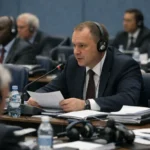
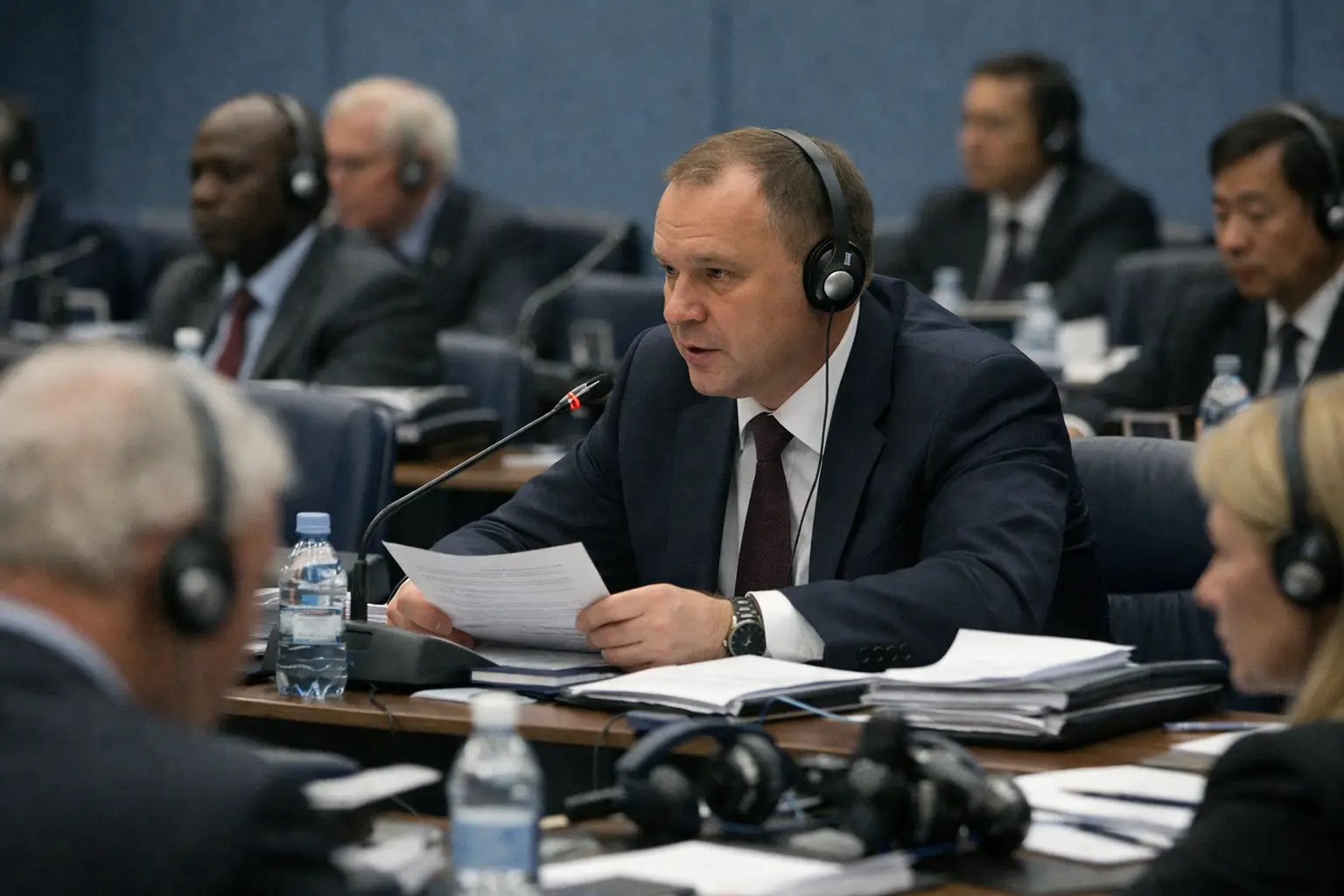
Russia’s bid for influence at the United Nations telecommunications agency is set to become a test of how far Moscow can rebuild its international standing while the war in Ukraine continues. In Geneva, Russia hopes to secure senior positions at the International Telecommunication Union, the UN body that deals with global telecoms policy and standards. Diplomats view the effort as part of a broader attempt by Moscow to reduce the diplomatic isolation that followed its invasion of Ukraine.
The possible appointments matter beyond protocol. The agency sits at the intersection of infrastructure, regulation and digital technology, areas in which governments are increasingly protective of national interests and global standards. Senior roles within such institutions can offer visibility, access and influence over debates that shape connectivity, networks and the governance of emerging technologies. For Russia, winning posts in this environment would signal that pressure from Western governments has not translated into complete exclusion from multilateral decision-making.
Diplomats at the United Nations describe a gradual change in the international atmosphere surrounding Russia. Public resistance to Moscow inside the UN system has not disappeared, but the willingness of some states to openly confront it has weakened over time. As the conflict in Ukraine extends, several countries have begun restoring or strengthening trade and security contacts with Russia, creating a more complex diplomatic landscape than in the immediate aftermath of the invasion.
The vote for senior posts at the telecoms agency therefore carries political weight as well as institutional importance. It reflects a wider struggle over whether Russia remains constrained by sanctions, criticism and diplomatic distance, or whether it can recover influence through technical and multilateral channels. The outcome will be watched by governments concerned about the governance of communications systems and by those assessing how durable Russia’s isolation remains. In a UN setting where consensus and coalition-building often matter as much as formal alignments, the contest underscores the shifting balance around Moscow’s place in global forums.