









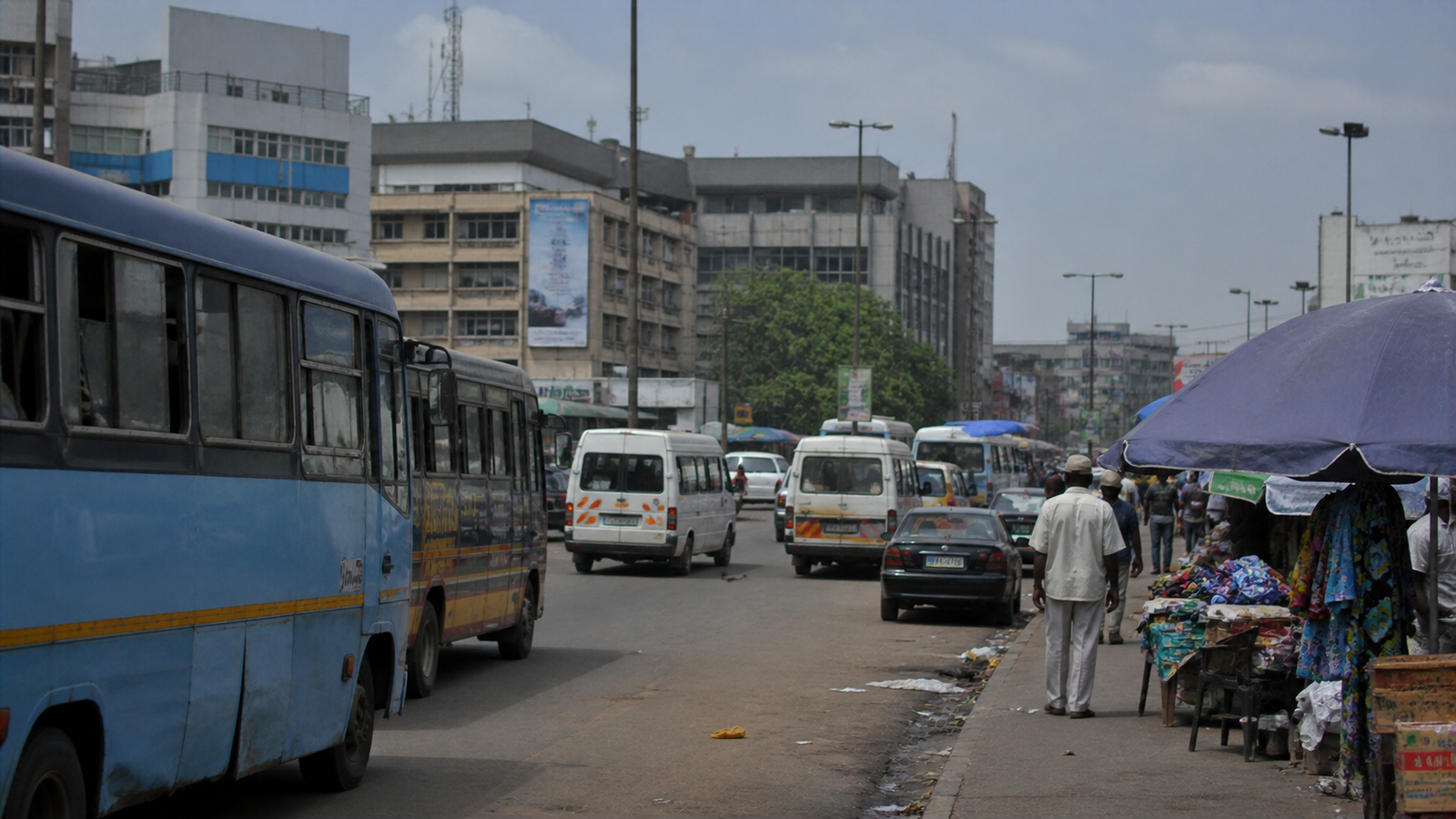
Urban centers across Africa are attracting increasing attention from international investors, reflecting broader shifts in demographics, economic activity and infrastructure development. Cities such as Lagos, Nairobi, Cairo and Johannesburg are positioned as key hubs within regional and global investment strategies.
According to data from the United Nations, Africa is experiencing one of the fastest rates of urban population growth worldwide. This expansion is associated with rising demand for housing, transportation, energy and digital services, creating opportunities across multiple sectors.
Investment flows are directed toward areas such as real estate, logistics, telecommunications and financial services. Infrastructure projects, including transport networks, ports and urban development plans, are often supported by partnerships involving governments, private investors and international financial institutions.
Technology ecosystems are also developing in several cities. Startup activity, particularly in fintech, e commerce and digital services, has increased, supported by local innovation hubs and access to mobile connectivity. Nairobi and Lagos, for example, have been identified in industry reports as emerging technology centers within the continent.
At the same time, challenges remain. Urban infrastructure in many cities faces capacity constraints, and access to services such as electricity, water and transportation can vary significantly. Regulatory frameworks and administrative processes also influence the pace and scale of investment.
Regional and international actors continue to engage with African cities through development programs and financing initiatives. Institutions such as the World Bank and the African Development Bank support projects aimed at improving urban infrastructure and economic resilience.
Trade agreements and regional integration efforts, including the African Continental Free Trade Area, provide an additional context for investment decisions, as they aim to facilitate cross border economic activity.
The role of African cities in global investment patterns is evolving alongside demographic and economic trends. Their development continues to depend on a combination of local policies, infrastructure capacity and international partnerships.