






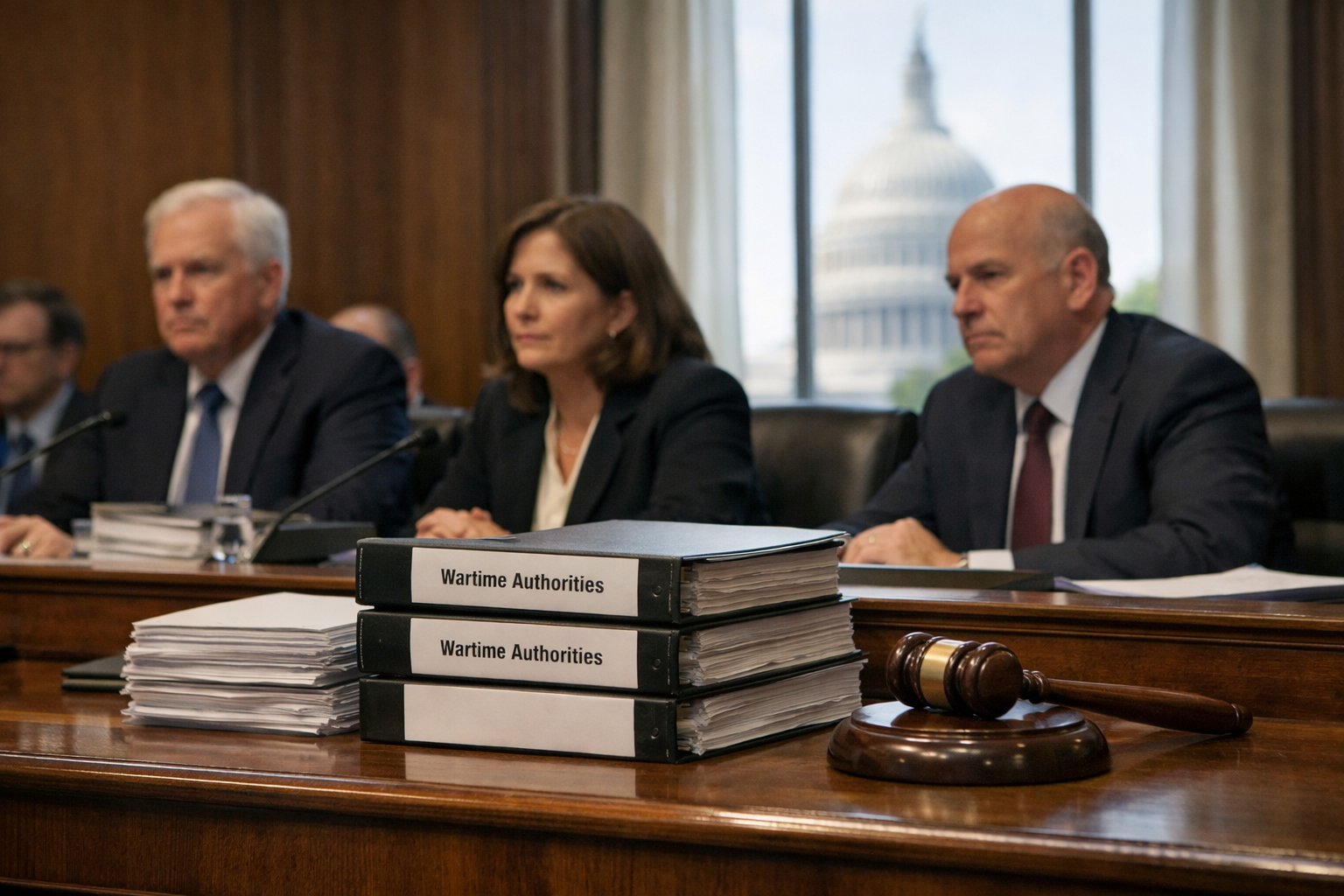
Congress must now confront the expansion of executive authorities once used to confront foreign threats and increasingly applied in broader circumstances. Lawmakers face pressure to reassess the legal frameworks that permit surveillance, the use of force, and emergency powers when those tools are deployed without clear limits. Oversight by Congress is central to preserving the balance between protecting the public and upholding constitutional safeguards.
The instruments at issue include long-standing post-9/11 statutes, wide-ranging surveillance authorities and executive directives that authorize targeted operations abroad. Critics note that ambiguity in those authorities can allow rapid unilateral action by the White House or agencies with limited congressional input. Departments charged with national defense and law enforcement, such as the Department of Defense and the Department of Justice, operate under authorities whose scope and oversight continue to be debated in public and legal forums focused on terrorism and national security.
Possible congressional responses include revising or repealing broad authorizations for military action, clarifying limits on intelligence and surveillance activities, and setting reporting requirements to ensure transparency. Committees can compel briefings, audits and compliance reviews to assess how authorities are used. Legislative changes can also define temporal and geographic bounds for certain powers and require judicial or congressional sign-off for sustained measures, reducing the risk of unchecked emergency measures.
The task for lawmakers is procedural as much as political: creating durable, bipartisan statutes that reconcile security needs with civil liberties concerns and procedural safeguards. Strengthened oversight and clearer statutes would provide agencies with lawful tools while offering citizens and courts a firmer basis to evaluate government action. In that way, Congress can restore a predictable legal framework that guards both public safety and individual rights without substituting judgment for the courts or the electorate.