


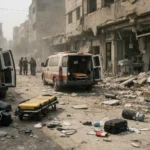




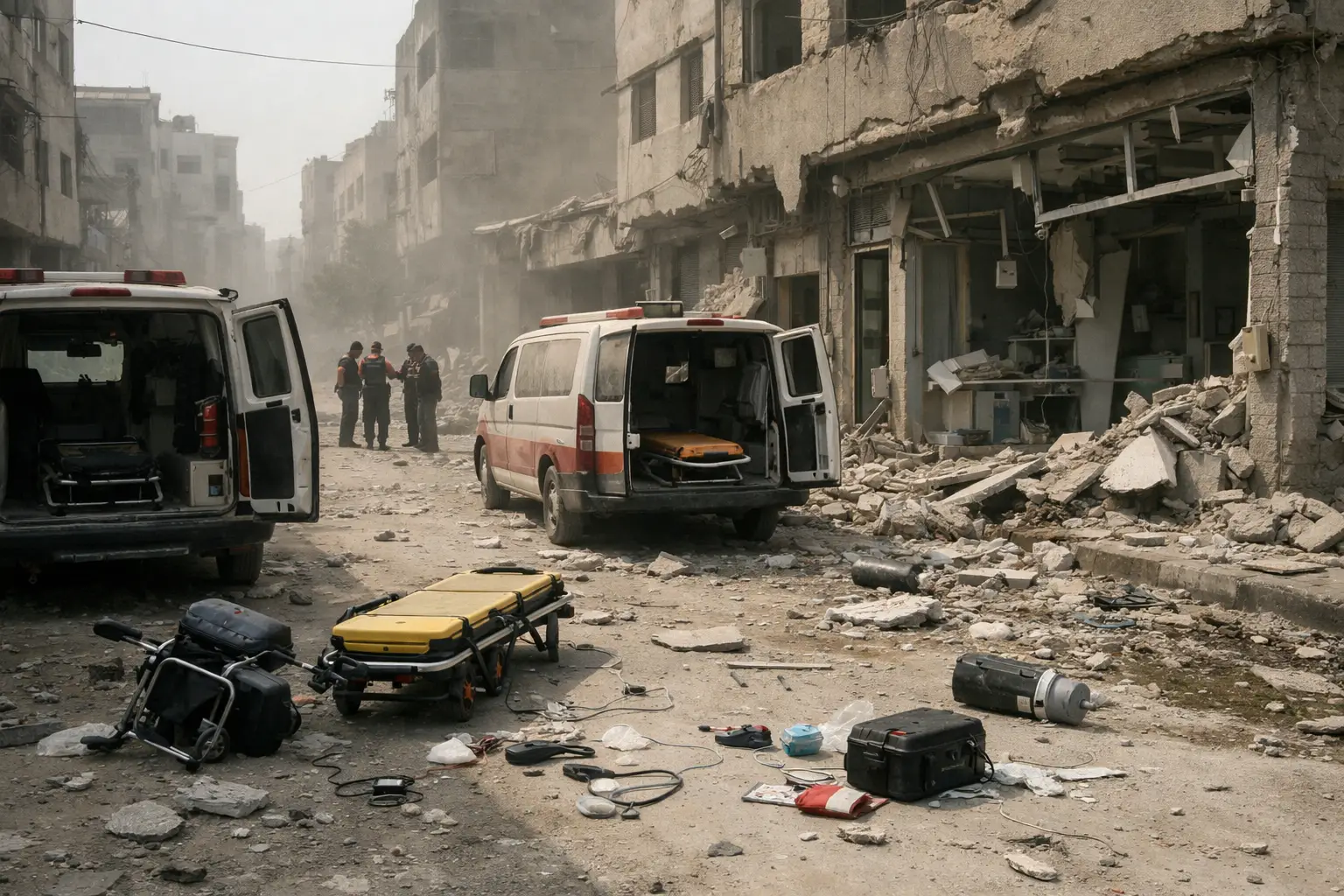
An Israeli strike in Gaza has killed two staff members of Doctors Without Borders, the medical humanitarian organisation also known by its French acronym, MSF. The deaths mark another grave incident involving aid personnel working amid the war and deepen concerns over the risks faced by medical teams, emergency responders and civilians in the enclave.
The organisation operates in conflict zones around the world and provides emergency medical care in places where health systems are under extreme pressure. In Gaza, humanitarian and medical work has been carried out in conditions shaped by bombardment, displacement, damaged infrastructure and shortages affecting hospitals and clinics. The killing of two members of its staff underscores the exposure of frontline personnel whose work depends on access, security guarantees and the ability to move patients and supplies.
Israel has conducted extensive military operations in Gaza during the conflict, while humanitarian organisations have repeatedly warned that medical services cannot function safely without effective protection for staff, patients and facilities. International humanitarian law gives special protection to medical personnel and medical units, a principle detailed by the International Committee of the Red Cross. Those protections are central to the delivery of care during armed conflict, regardless of the party controlling territory or conducting operations.
The deaths are likely to intensify scrutiny of the operating environment for aid organisations in Gaza, where relief efforts rely on coordination, communications and routes that can change rapidly. For groups such as Doctors Without Borders, the loss of staff is not only a human tragedy but also a disruption to already limited medical capacity. In a territory where civilians continue to depend heavily on emergency care, every attack affecting health workers further narrows the space for humanitarian response.