








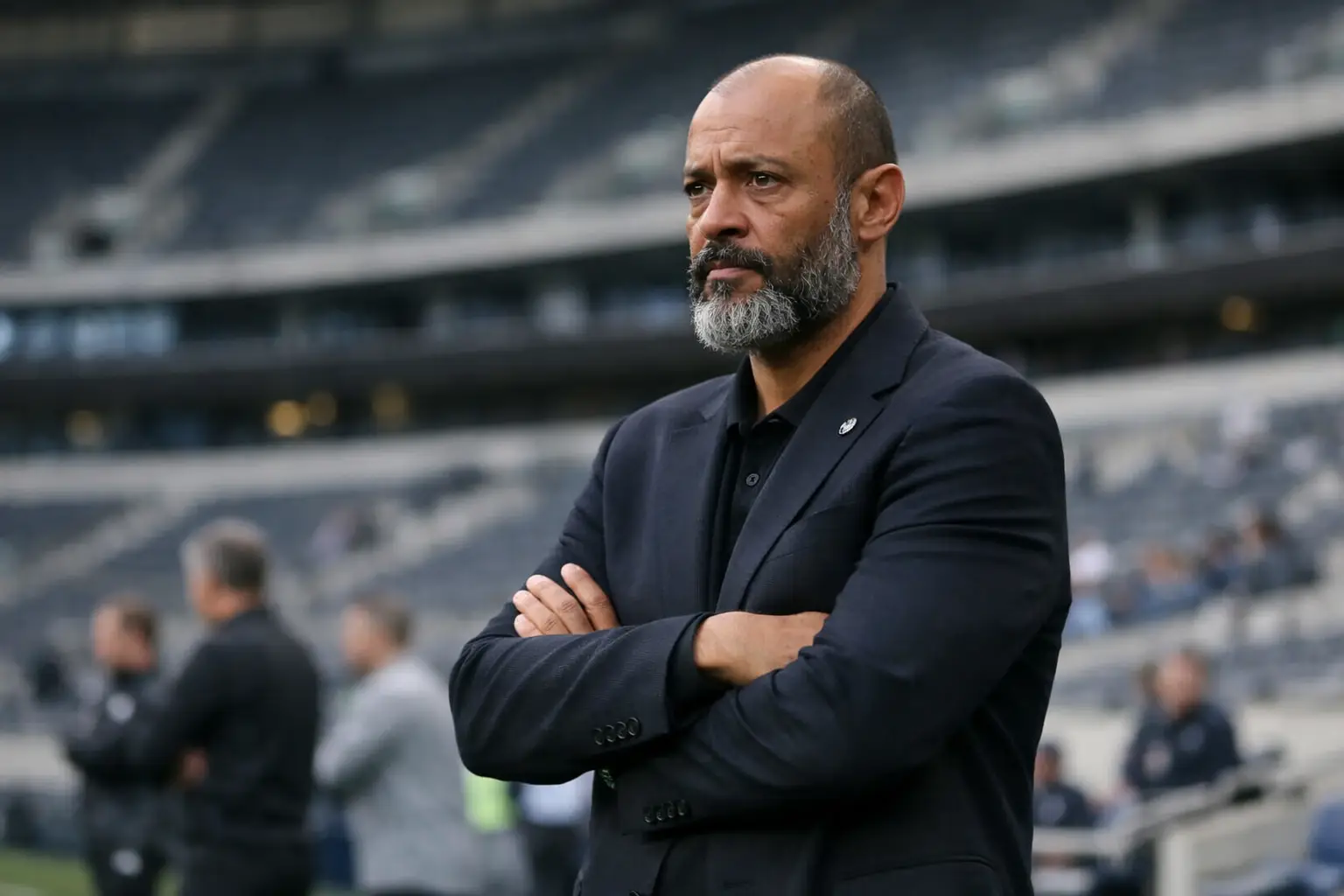
Nuno reflected on West Ham‘s encouraging start and on the experience of being back in the Championship, noting that “Life changes as you get older.” The comments framed a conversation about shifting priorities for coaches and clubs when moving between divisions, and highlighted how early-season form can shape expectations and strategy.
The opening weeks of a campaign often carry outsized influence: momentum can bolster confidence, while setbacks force rapid reassessment. From a managerial standpoint, adapting to different competitive environments — whether in the top flight or in the second tier — requires recalibration of resources, player management and tactical approach. Nuno’s observation underlined the personal dimension of that adaptation, suggesting experience alters how managers evaluate both short-term results and long-term objectives.
For clubs, a strong start can have tangible effects beyond the pitch. It can ease pressure on recruitment, affect supporter sentiment and influence boardroom decisions about investment and targets. At the same time, a return to the Championship presents specific challenges: a congested fixture list, a different tempo of matches and a competitive transfer market. Managers must balance immediate performance with squad rotation and the physical demands of a long season.
Observers say such remarks matter because they reveal how practitioners read their situations and plan accordingly. Whether discussing an encouraging run of results or reflecting on a shift in competitive level, the exchange points to broader themes in the sport: career trajectory, adaptability and the interplay between expectations and reality. Stakeholders will now watch how form evolves and whether early optimism translates into sustained progress as the campaign develops.