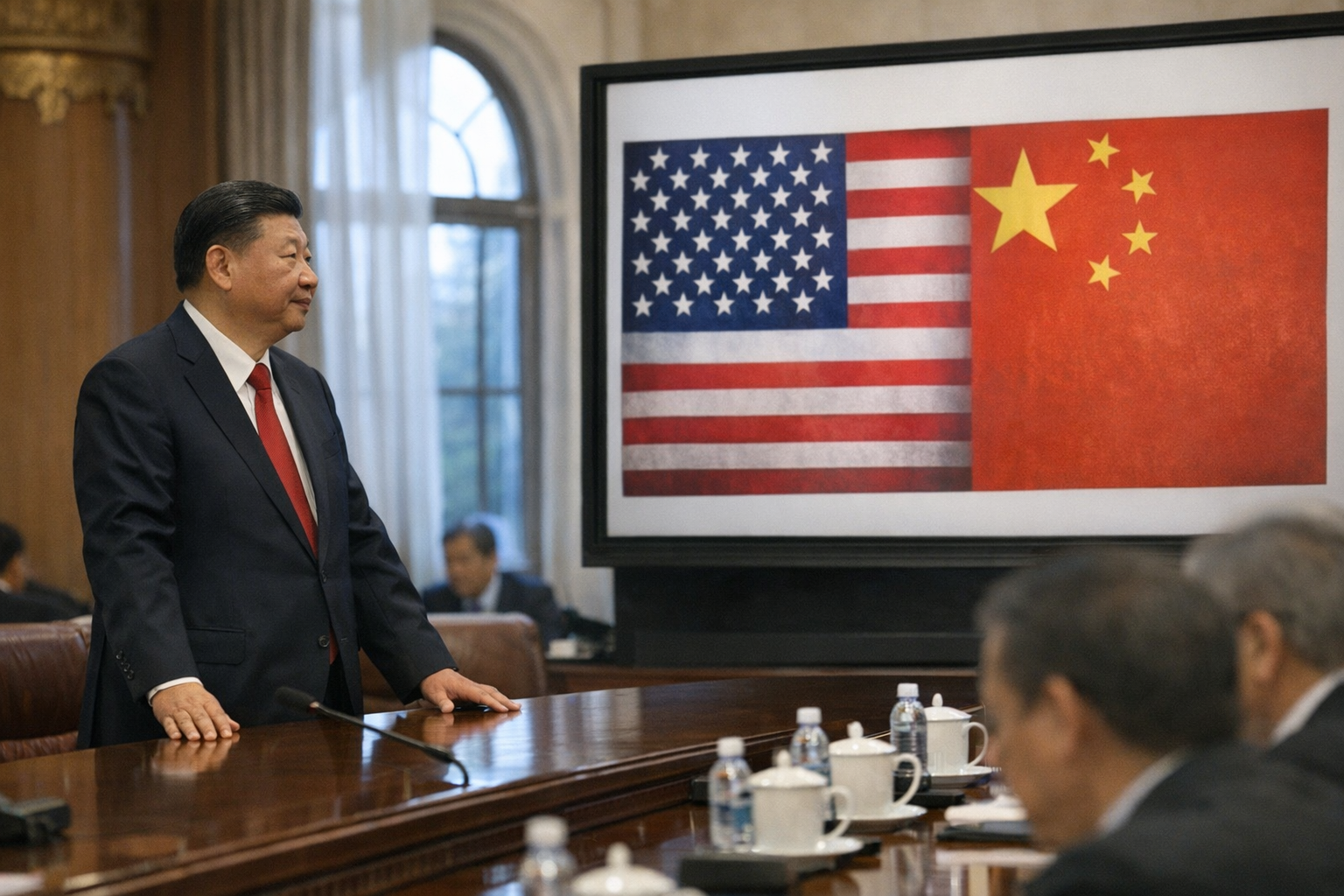









Public worries over artificial intelligence are evident in both the United States and the China, yet the nature of those worries diverges sharply. In each country, discussions about AI reflect distinct social priorities: concerns about individual privacy, corporate influence and democratic norms are prominent in the US, while issues tied to social stability, national competitiveness and centralized oversight are more visible in China. These differences shape how citizens interpret the risks and benefits of emerging technologies and how those debates play out in public forums.
In the United States, commentary tends to focus on the role of private firms, data governance and the potential for algorithmic bias to affect employment and civic life. Media coverage and civil-society actors frequently raise questions about accountability, transparency and the balance between innovation and individual rights. By contrast, discourse in the China often highlights state-directed aims: deploying AI to improve public services, advance industrial policy and preserve social order. That framing places greater emphasis on collective outcomes than on individual liberties, and it influences which risks receive priority attention.
Those divergent perceptions have tangible policy and market consequences. In the US, regulatory debates and agency engagement reflect concern over market concentration and consumer protection; public pressure has pushed companies and lawmakers to consider frameworks that address ethical design and oversight. In China, government direction and coordinated industrial strategy inform deployment and standards, aligning private-sector activity with national objectives. References to official actors appear in both contexts — for example, engagement by the U.S. government and by the Chinese government shape legal and institutional responses — but their priorities and instruments differ in important ways.
The result is a fragmented international landscape for AI governance. Divergent public attitudes drive distinct domestic agendas, complicating efforts to establish shared norms and technical standards. Understanding those differences is essential for policymakers, companies and researchers seeking constructive engagement across borders and for informing debates at home about how best to manage technological change without overstating risks or ignoring varied public expectations.