






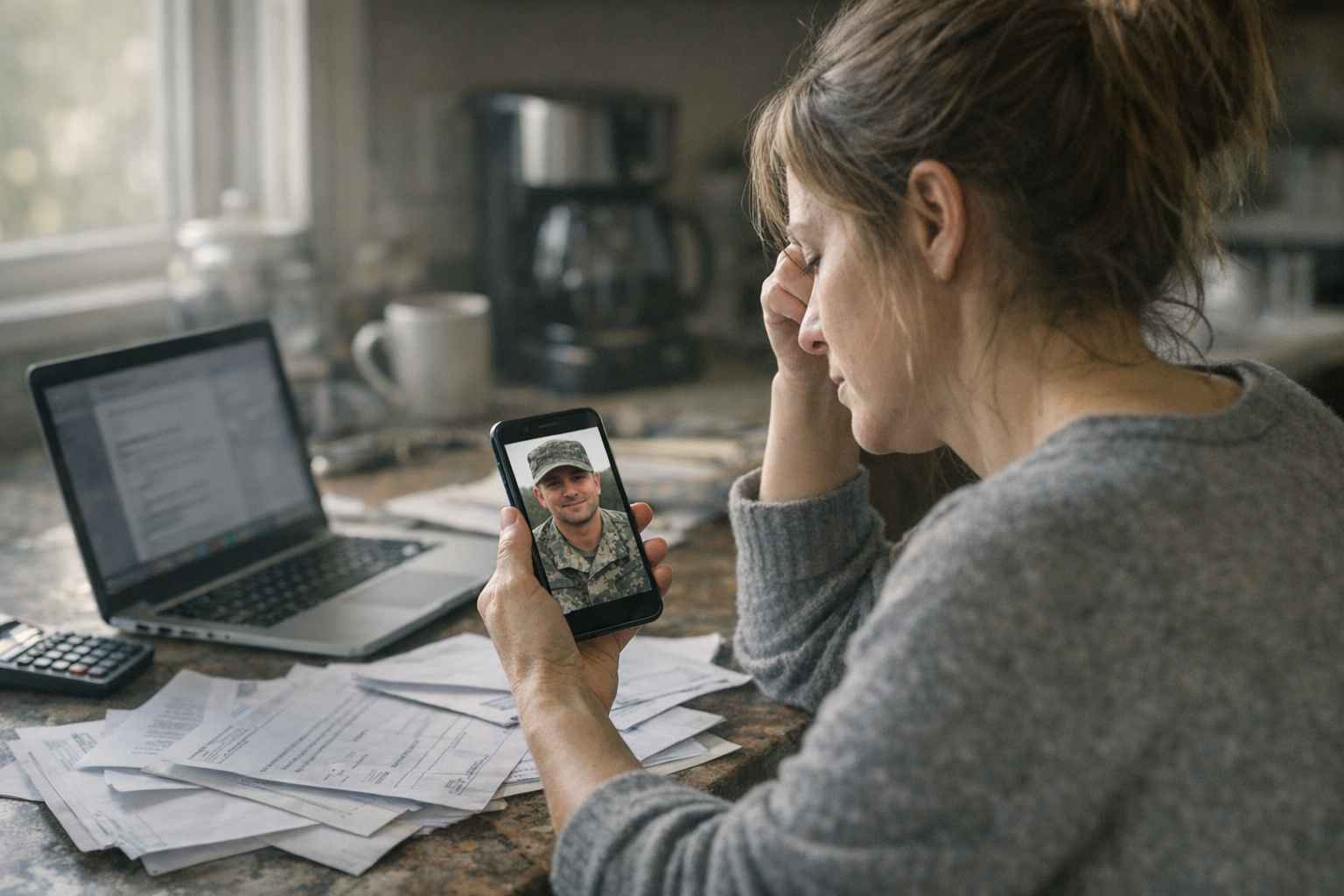
Six months in, life for many households tied to the US armed forces has been marked by persistent disruption and stress as the conflict with Iran stretches into its sixth month. Volunteers and community coordinators who support spouses and children say everyday routines — from school pickups to managing household budgets — have become harder to sustain. Courtney Sanders, who works with families affected by deployments, describes constant anxiety and the pressure of filling practical gaps left by service members.
Households report lost income from extended absences, the need to rearrange childcare and additional transport and scheduling burdens. Local support networks, informal volunteer groups and faith-based organizations have stepped in to cover shortfalls in day-to-day care, while neighbours and unit-level assistance offer ad hoc help. The cumulative effect is a widening set of logistical challenges that disproportionately affect dual-income families and single parents within military communities.
The emotional toll is significant: separation anxiety among children, increased mental load for partners managing both work and home responsibilities, and a rise in demand for counseling and peer support. These strains are compounded by uncertainty about timelines and repeated periods of high alert for families in units with ongoing overseas commitments. Service-family advocates highlight that what begins as practical disruption can quickly become a mental-health and social-stability issue for affected households.
The sustained strain has broader implications for workforce participation, schooling and local services in communities with a high concentration of military families. Many turn to unit support structures and official resources offered by the Department of Defense, while community groups coordinate to meet immediate needs. As the situation endures, the experience of these families underscores logistical and welfare challenges that call for coordinated attention from military, civic and social-service actors in both the United States and communities hosting service members.