







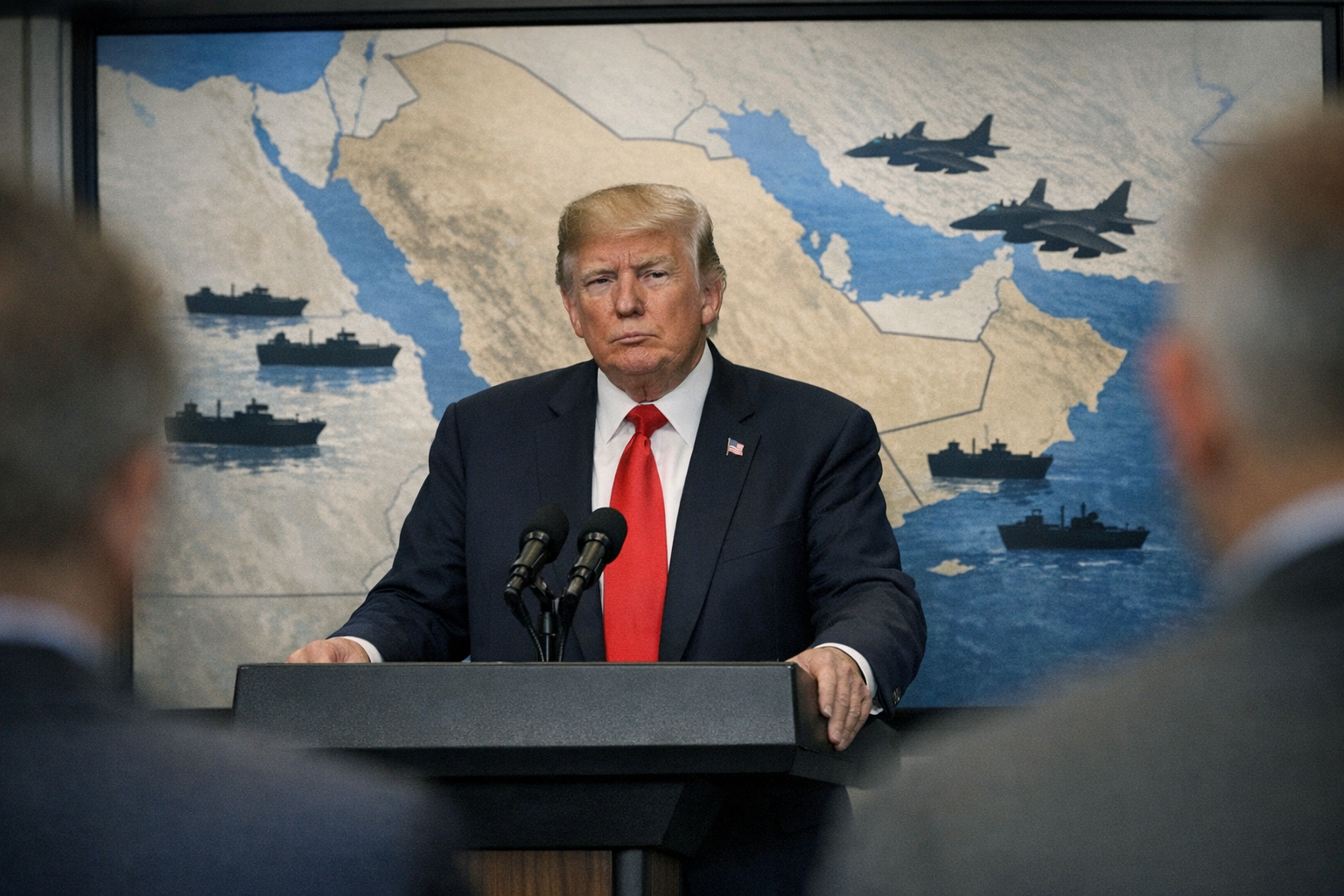
Donald Trump said he hoped an end to the war with Iran was approaching, as fighting that has continued for months intensified across the Arabian Peninsula. Saudi aircraft stepped up strikes in Yemen, while Houthis continued to fire drones and missiles toward population centres inside Saudi Arabia, a pattern that has driven a fresh surge of violence and concern in the region.
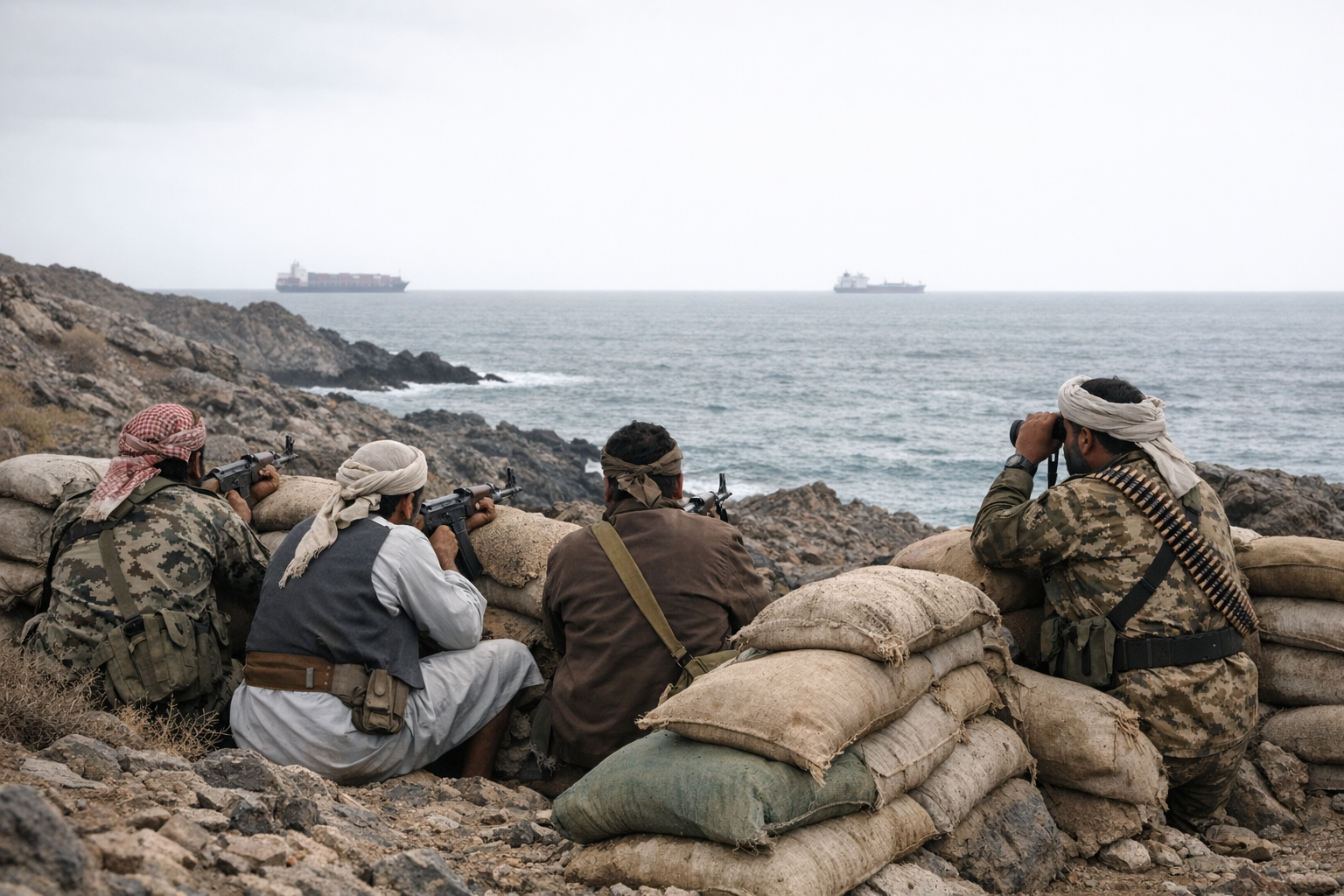
The armed movement in Yemen has carried out a rapid advance along the Red Sea corridor and launched operations that struck infrastructure beyond its borders. Attacks that damaged Saudi Arabia’s East-West oil pipeline have extended the conflict’s reach into critical energy networks, raising the prospect of wider disruption to crude flows that pass through the region.
Those military moves have produced immediate implications for maritime security and energy markets. Disruptions in the Red Sea and strikes on oil-related infrastructure increase the vulnerability of shipping routes and supplies, adding pressure to an already fragile market environment. The cross-border nature of the strikes underscores how local battlefield gains can have broader strategic and economic effects.
The violence marks a new phase in a confrontation that observers link to the backing of Yemeni forces by Tehran; the presence of an Iran-aligned actor operating beyond Yemen’s borders changes calculations for neighbouring states and international stakeholders. As hostilities continue, governments and markets face the dual challenge of managing immediate security responses while monitoring potential longer-term consequences for regional stability and global energy availability.