









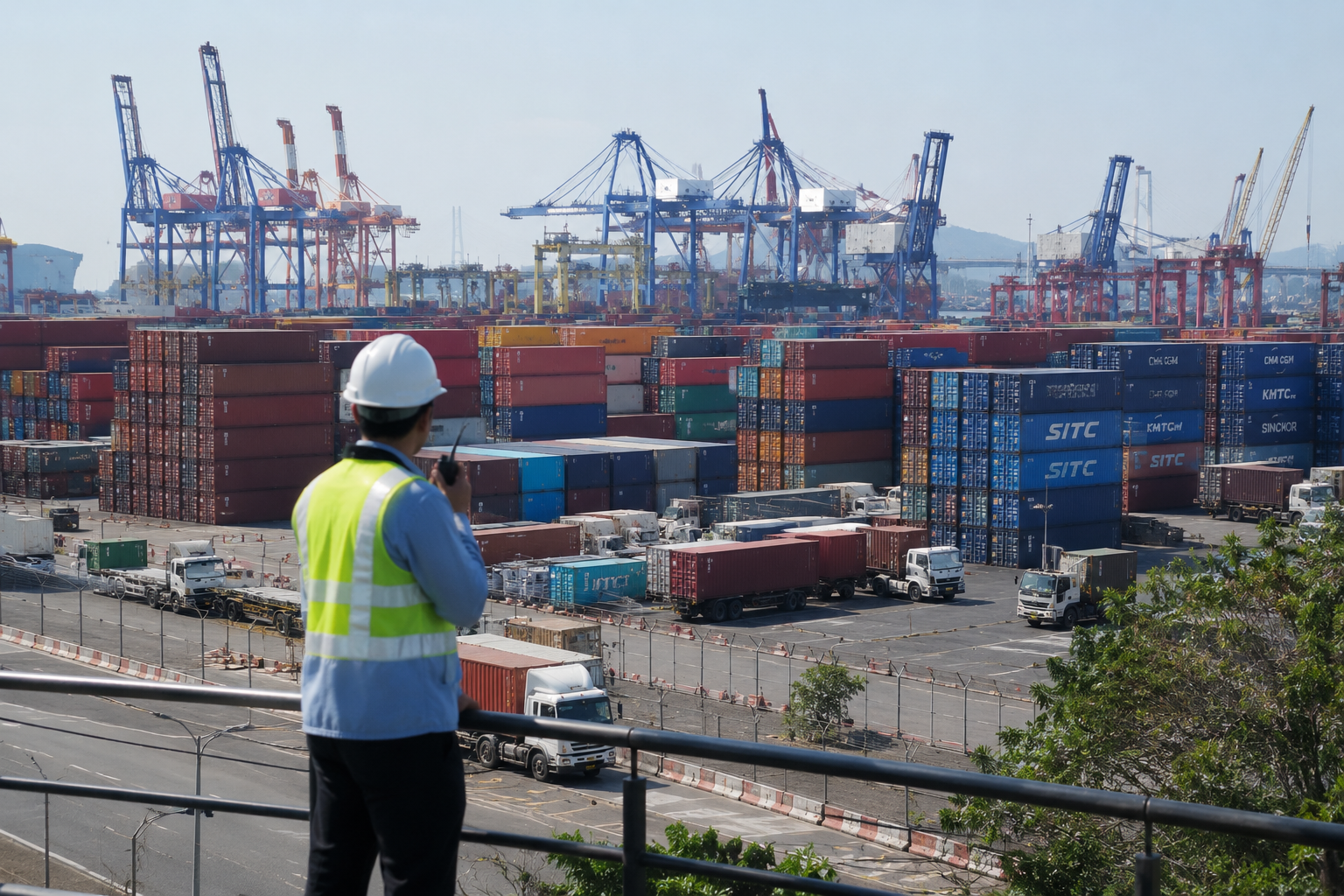
For decades, many companies built their supply chains around one primary objective: efficiency. Manufacturing was concentrated where costs were lower, suppliers were selected on price and speed, and global logistics allowed products and components to move across continents with relative predictability. That model is now undergoing significant change.
Recent geopolitical developments have highlighted the vulnerability of highly interconnected supply chains. Armed conflicts, trade disputes, sanctions, export restrictions and disruptions along major shipping routes have affected the movement of goods, prompting businesses to reassess how and where they operate.
As a result, geopolitical risk has become a strategic factor in corporate decision-making. Alongside traditional considerations such as cost, quality and delivery times, companies increasingly evaluate political stability, regulatory environments and the resilience of transport networks before selecting suppliers or expanding into new markets.
One visible trend is the diversification of supply sources. Rather than relying on a single country or supplier, many businesses are developing broader procurement networks. This approach aims to reduce the impact of disruptions affecting one region while improving operational continuity.
Some manufacturers are also relocating part of their production closer to their main markets. Practices commonly described as nearshoring or friendshoring are gaining attention in industries such as automotive manufacturing, electronics and pharmaceuticals. These strategies seek to shorten transport distances, reduce exposure to geopolitical uncertainty and strengthen supply security.
Critical materials have become another area of focus. Rare earth elements, semiconductors, batteries and strategic minerals are essential to multiple industries but are often concentrated in a limited number of producing countries. Governments and businesses are investing in alternative suppliers, recycling technologies and domestic production to reduce dependency on single sources.
Technology is playing an increasingly important role in supply chain management. Digital monitoring systems, predictive analytics and artificial intelligence allow companies to identify potential disruptions earlier and respond more quickly. Real-time visibility across production and logistics networks has become an important element of risk management.
These changes also influence investment decisions. Companies now assess whether infrastructure, transport corridors and energy supplies are likely to remain reliable over the long term. Projects that once appeared economically attractive may be reconsidered if geopolitical conditions introduce additional uncertainty.
Governments are contributing to this transformation through industrial policies, investment incentives and regulations affecting strategic sectors. Public initiatives aimed at strengthening domestic manufacturing or securing critical supply chains increasingly shape corporate planning alongside market considerations.
Global supply chains are therefore evolving from systems designed primarily for maximum efficiency to networks that place greater emphasis on resilience and adaptability. In an environment where geopolitical developments can rapidly affect trade, transport and production, companies are redesigning their operations to balance competitiveness with long-term stability.