









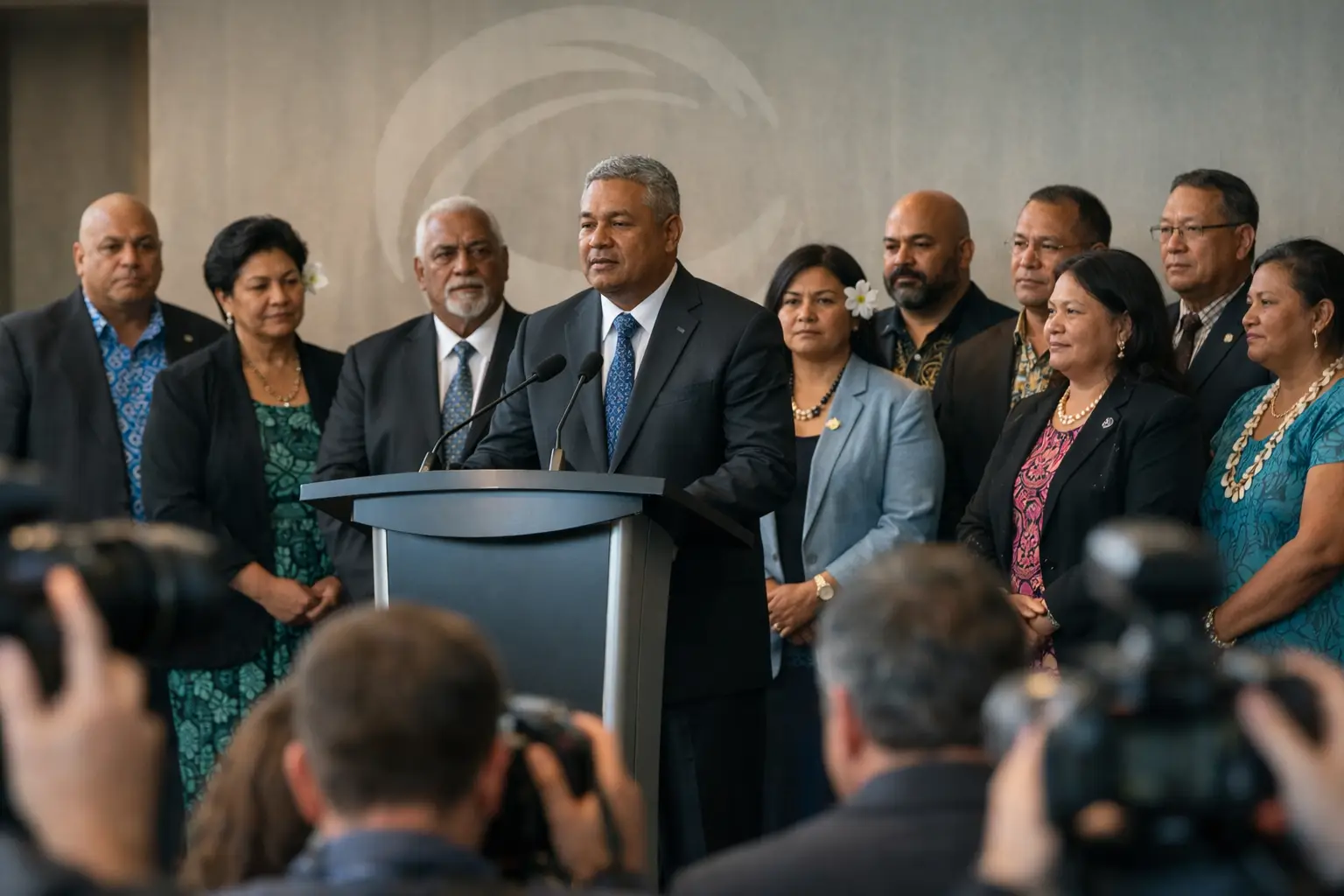
Pacific nations gathered in Nadi, Fiji, this week to press for firm commitments that would lock the 1.5°C temperature limit into the formal agenda of upcoming climate negotiations. Delegates described accelerating sea-level rise and increasingly severe storms as immediate threats to island communities, and said those risks must shape the negotiations that will culminate at COP31 in Turkey in November.
The meeting brought ministers and senior officials from countries across the region, with participants urging a stepped-up global effort to reduce greenhouse gas emissions. Delegates stressed that holding warming below 1.5°C remains essential to reducing the frequency and severity of climate-driven impacts on low-lying states, and called for negotiators at the international level to translate that scientific threshold into stronger mitigation commitments.
Representatives also highlighted the need to align the ministerial outcomes with the priorities of vulnerable states, seeking assurances that adaptation needs and resilience funding will weigh equally with emissions targets in the run-up to the COP. The regional push aims to ensure that the concerns of small island states — including displacement, damage to infrastructure and threats to livelihoods — are reflected in negotiating texts and in the international community’s response measures.
Observers say the Pacific initiative underscores the human and economic stakes behind technical climate discussions and could influence the tone of the global talks by foregrounding urgency and vulnerability. With less than two months before delegates meet in Turkey, the ministerial discussions in Nadi represent an effort by island states to consolidate their position and to send a unified message that stronger, faster action is required to limit the worst outcomes of a warming world.