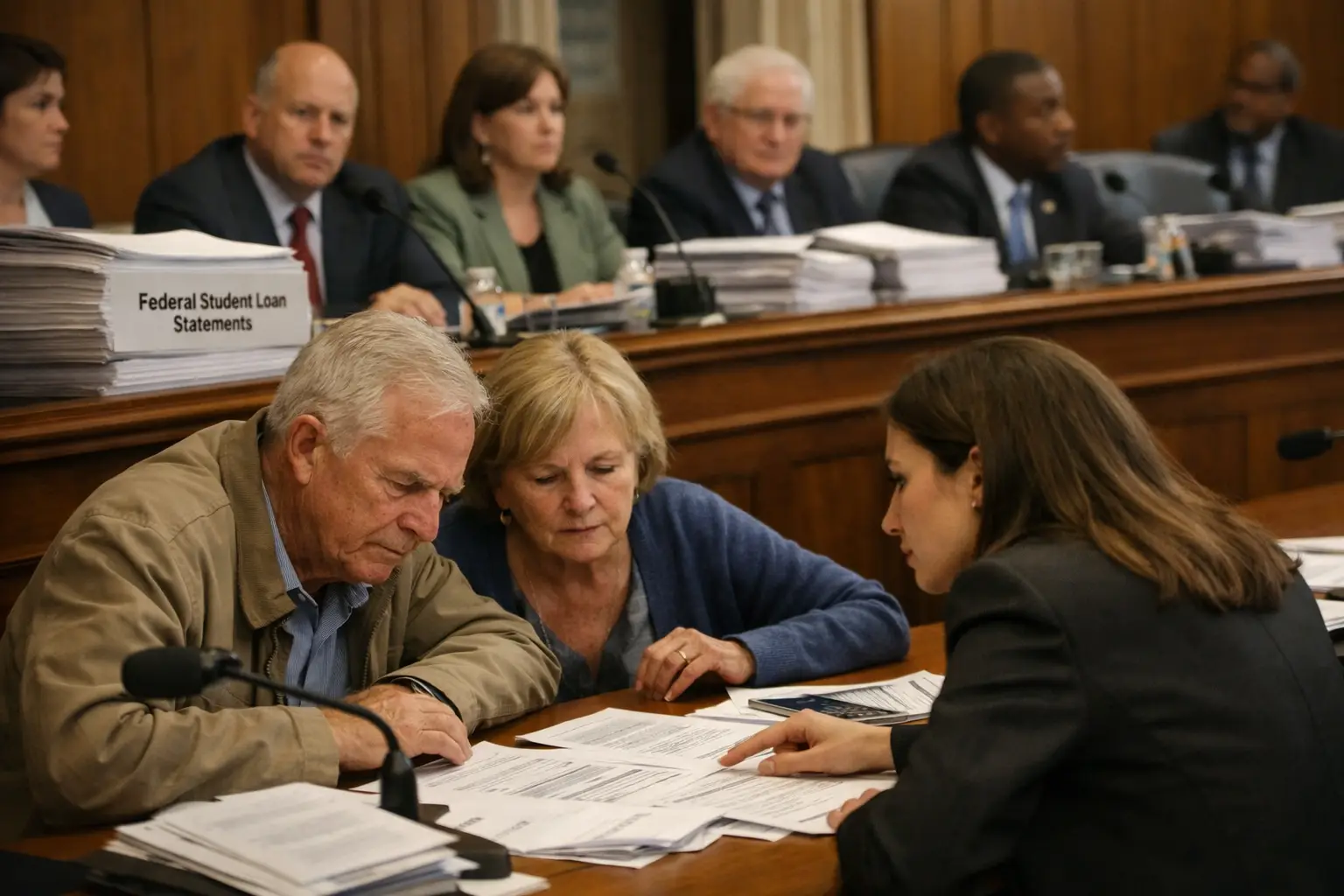










My brother-in-law persuaded his elderly in-laws to sign over their house and life savings so the family could purchase a $3 million compound, leaving his parents with no recorded ownership. The transfers reportedly placed both real-estate titles and bank accounts solely in his name, a change that has prompted alarm among other relatives and a search for legal remedies.
The facts raise several legal questions that appear in similar cases: was the transfer voluntary and informed, or did it involve undue influence; did the parents have the mental capacity to approve such a transaction; and were proper financial safeguards observed? These issues intersect with broader topics such as estate planning and elder abuse, and outcomes often depend on documentation, the timing of signatures, and local laws governing gifts, trusts and transfers of title.
Relatives who are concerned typically pursue a series of practical steps. Collect and preserve copies of any deeds, bank records, powers of attorney and medical evaluations that relate to the transfers. Seek a consultation with an attorney who specializes in elder law or probate to assess whether there are grounds to challenge the transactions — for example, evidence of coercion, fraud or incapacity. Other common actions include contacting the financial institutions involved to request account histories, discussing the situation with health-care providers if capacity is in question, and notifying adult protective services or equivalent local authorities when exploitation is suspected. Mediation or family meetings can sometimes resolve disputes without litigation, but professional guidance is important before taking formal action.
Possible legal remedies vary by jurisdiction: courts may void transfers found to be the product of undue influence or incompetence, or impose restitution where fraud is proven, but pursuing such claims can be time-consuming and costly. The presence of clear, contemporaneous documentation normally strengthens any contest; absence of records makes outcomes uncertain. For family members worried about financial control and elder safety, the immediate priority is to obtain expert legal and financial advice and to secure originals of relevant documents so informed decisions can be made about next steps.