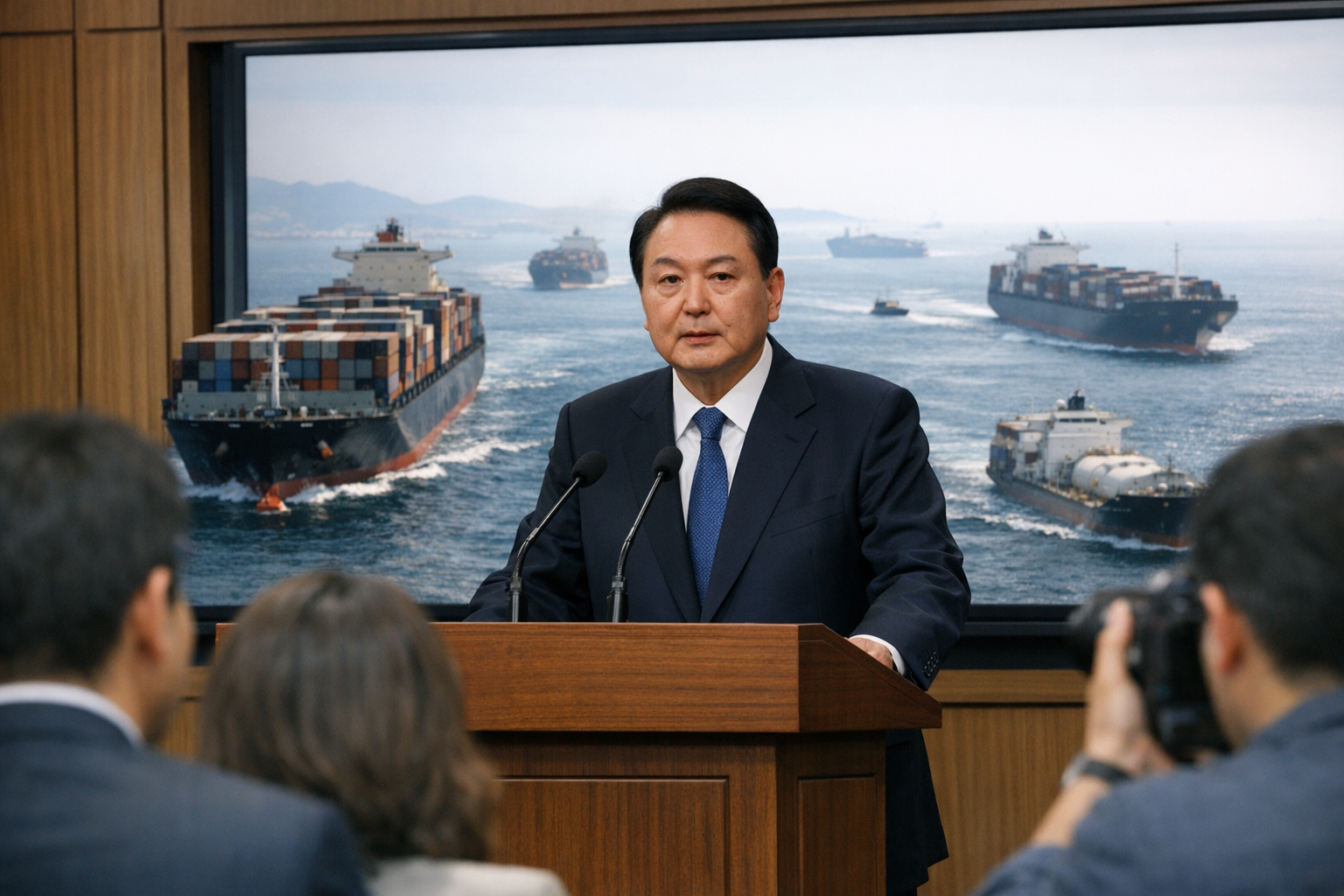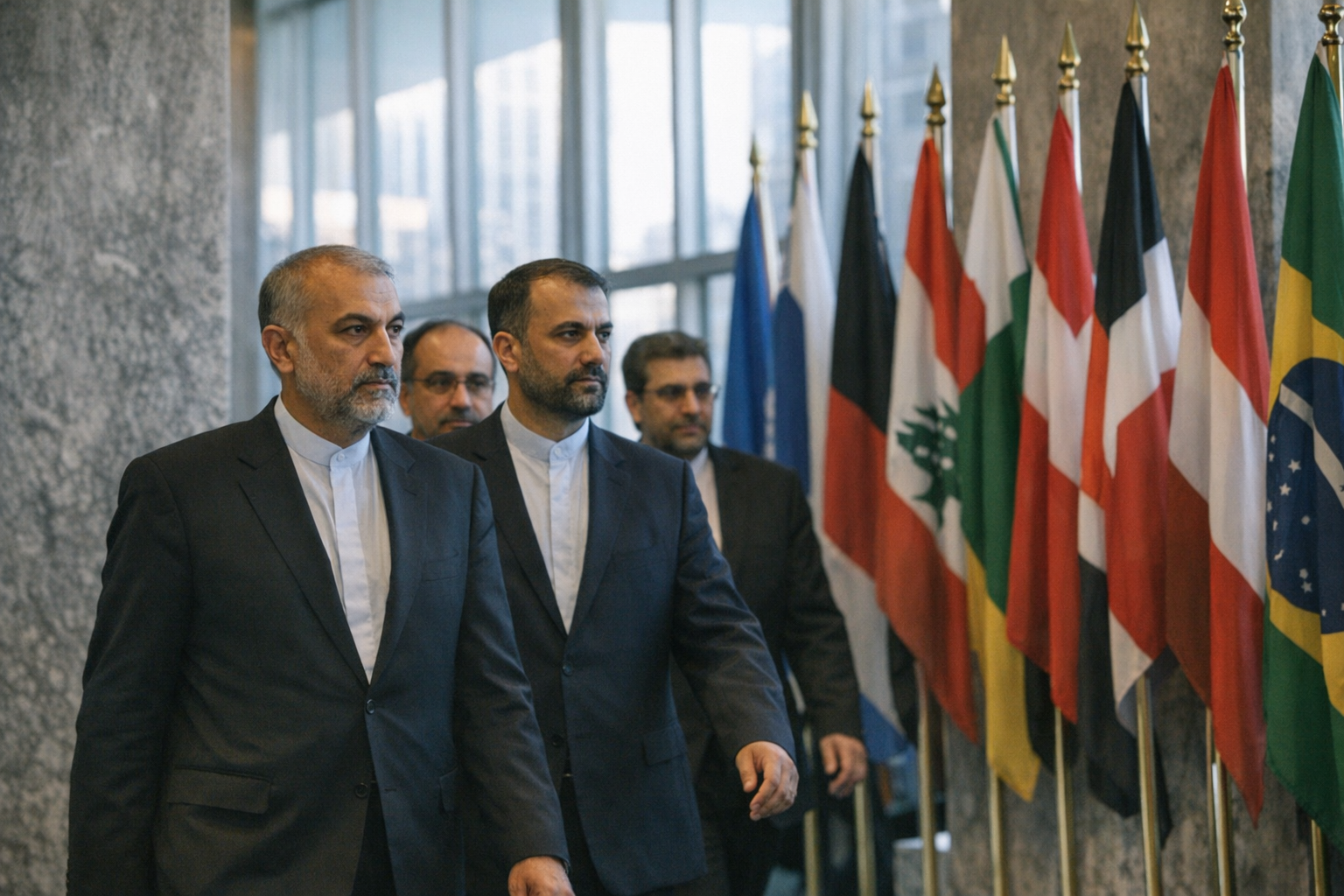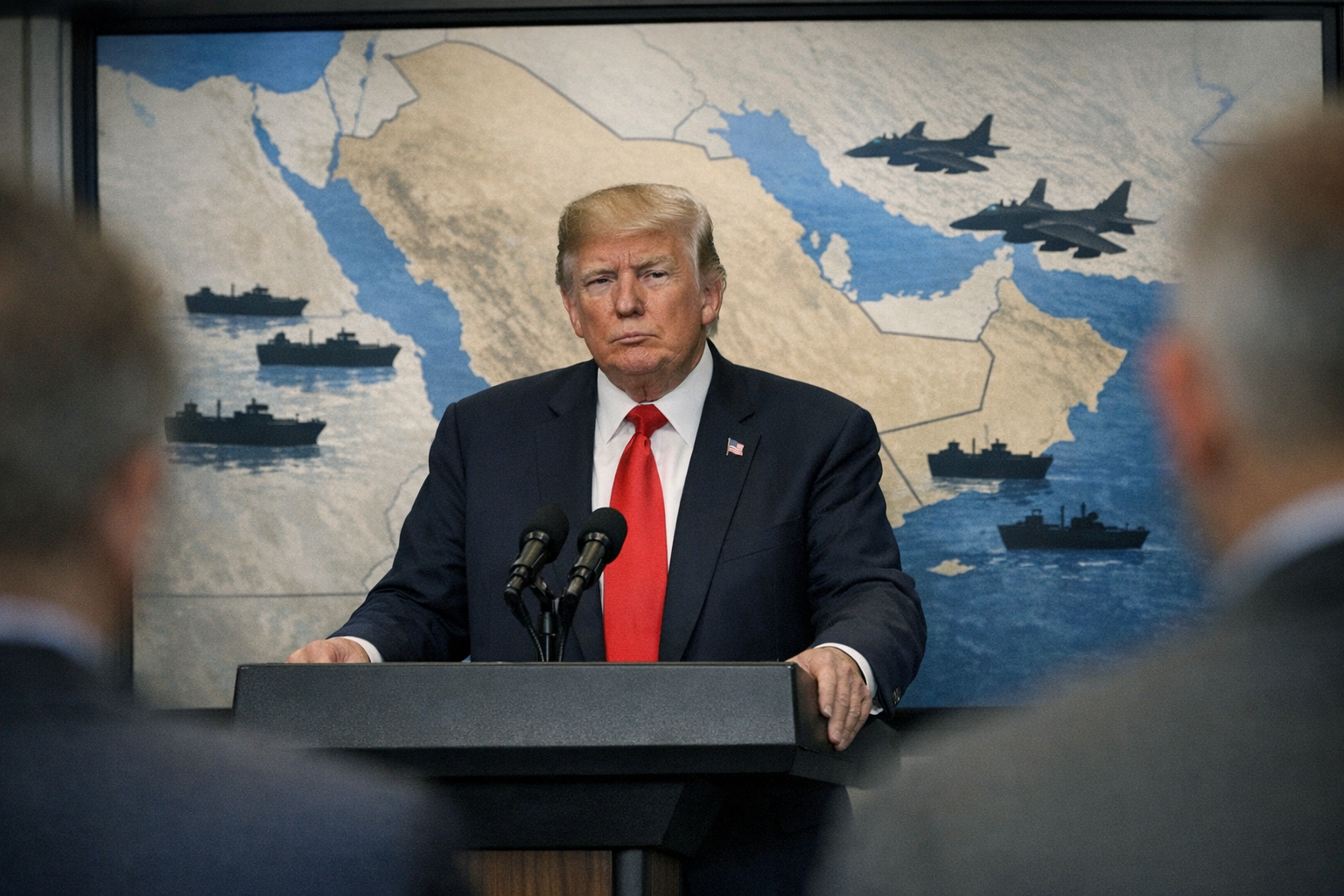









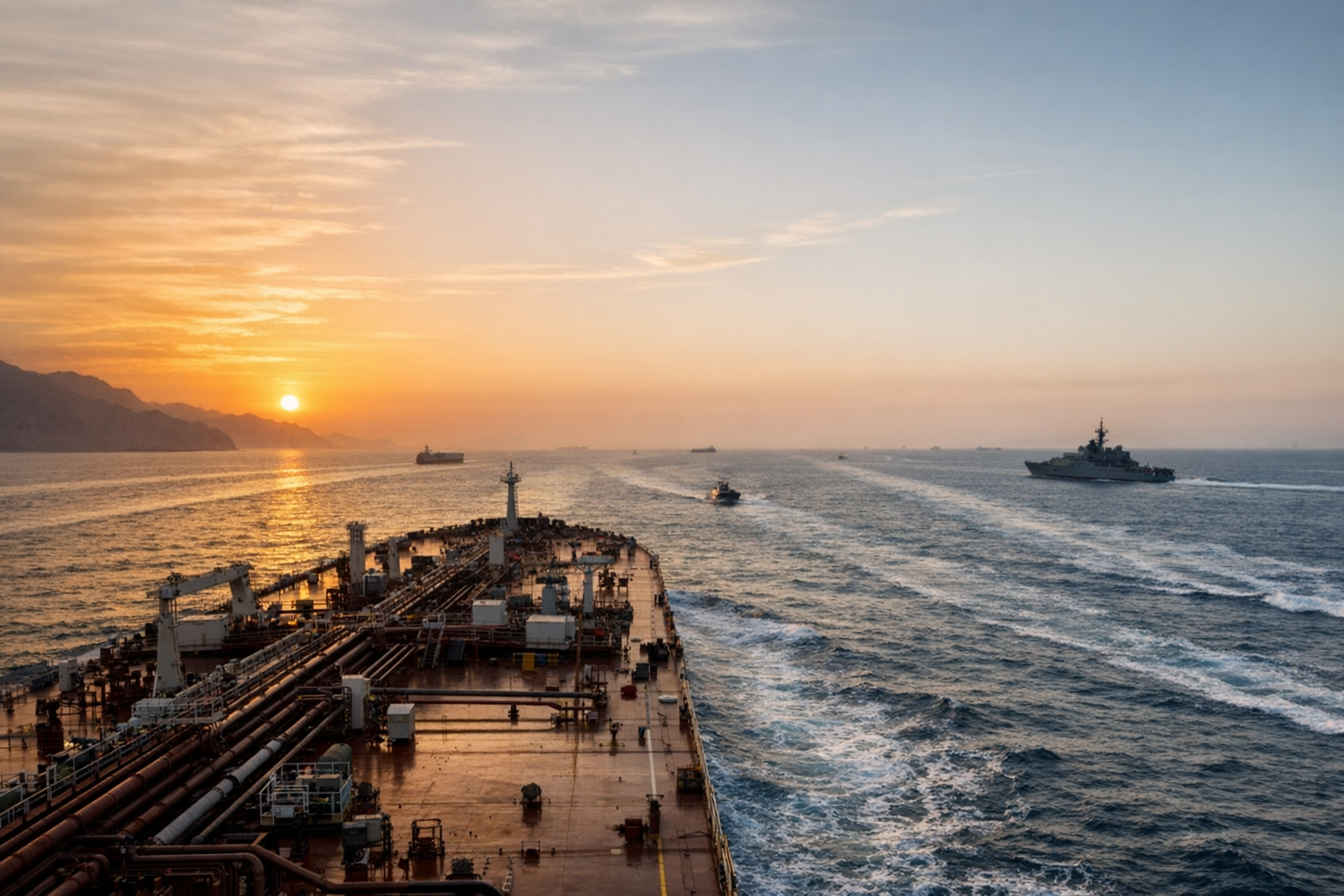
Iran on Saturday announced a set of preconditions for any reopening of the Strait of Hormuz, stating that compensation for war damages must be addressed before normal passage resumes. The statement, issued by Iranian authorities, frames the demands as prerequisites to negotiations over the strategically vital waterway used by international shipping and energy carriers.
Tehran has maintained what officials describe as control over transit since strikes on Iranian territory in late February attributed to the United States and Israel. Iranian authorities have said they will charge tolls for passage and have targeted vessels they allege attempted to avoid a route they deem acceptable, actions that have effectively constrained commercial traffic through the strait.
The Strait of Hormuz is a major maritime chokepoint linking the Gulf to the Arabian Sea and beyond; closure or restrictions there have immediate implications for global trade and energy markets. Shipping companies, insurers and regional ports typically monitor security developments closely when access to the strait is disrupted, and any prolonged limitations on passage can affect routing, insurance costs and delivery schedules for crude oil and other cargoes.
Iran’s announced conditions add complexity to diplomatic efforts aimed at restoring unimpeded navigation. Any agreement to reopen the corridor would need to address the compensation claims and toll proposals set out by Iranian authorities, and would likely involve discussions among regional governments, international shipping stakeholders and diplomatic intermediaries. Officials from other countries have not reported reaching a public agreement on the terms, and details of how compensation amounts or toll mechanisms would be determined remain unspecified by Iranian statements.