







In a regional context marked by rising tensions and major geopolitical disruptions, the United Arab Emirates has emerged as a unique model of crisis management, particularly in a sector as strategic as aviation. At a time when many air routes are under pressure and global transportation is facing unprecedented challenges, the UAE has not only preserved its position as a global aviation hub but has also reinforced it through a clear vision and disciplined execution.
Under the leadership of President Mohammed bin Zayed Al Nahyan, the Emirati authorities have long understood that aviation extends far beyond its economic dimension. It is a tool of sovereignty, influence, and international projection. In this regard, the current crisis has been managed through a proactive approach based on risk anticipation, diversification of air routes, and the maintenance of global connectivity, even amid instability.
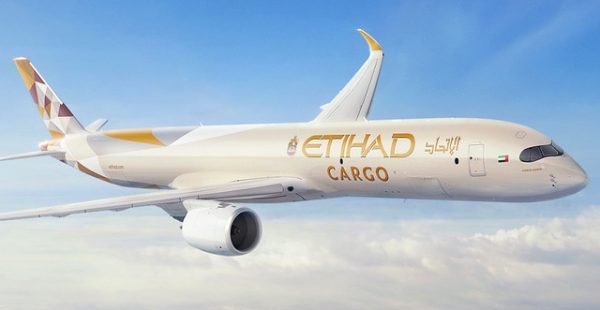
Faced with regional tensions, particularly in the Gulf, Emirati airlines have demonstrated remarkable agility. Rapid rescheduling of flights, adaptation to evolving security constraints, and the maintenance of strategic routes have ensured minimal disruption for passengers and sustained operational continuity. This responsiveness reflects a high level of preparedness and long-term strategic planning.
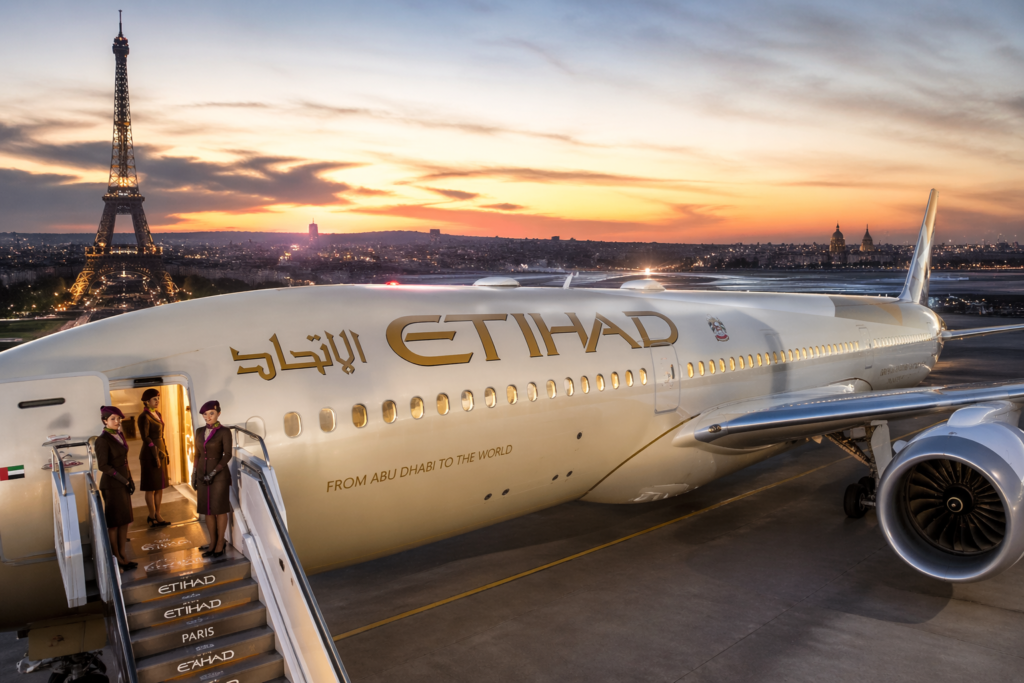
This performance is rooted in sustained investments in advanced infrastructure, cutting-edge safety systems, and highly skilled human capital. The UAE’s major airports are no longer mere transit points; they are global nerve centers capable of absorbing shocks and reshaping the dynamics of international air travel.
Politically, the strength of the aviation sector also reflects the depth of Emirati diplomacy. The UAE has maintained open channels of communication with international partners while preserving balanced relations with regional actors. This pragmatic and discreet diplomacy enables the country to remain a pillar of stability in an increasingly fragmented environment.
At the core of the UAE’s strategy lies a key principle: decision-making sovereignty in an interdependent world. This means safeguarding national interests while remaining fully engaged in global economic and commercial exchanges. It is precisely this balance that explains the continuity and resilience of its aviation sector despite regional turbulence.
Ultimately, the United Arab Emirates demonstrates that crises can be transformed into strategic opportunities. The aviation sector stands as a symbol of controlled power—economic, diplomatic, and security-driven. In an uncertain world, the UAE positions itself as a nation capable not only of withstanding shocks but of leveraging them to further strengthen its global standing.