









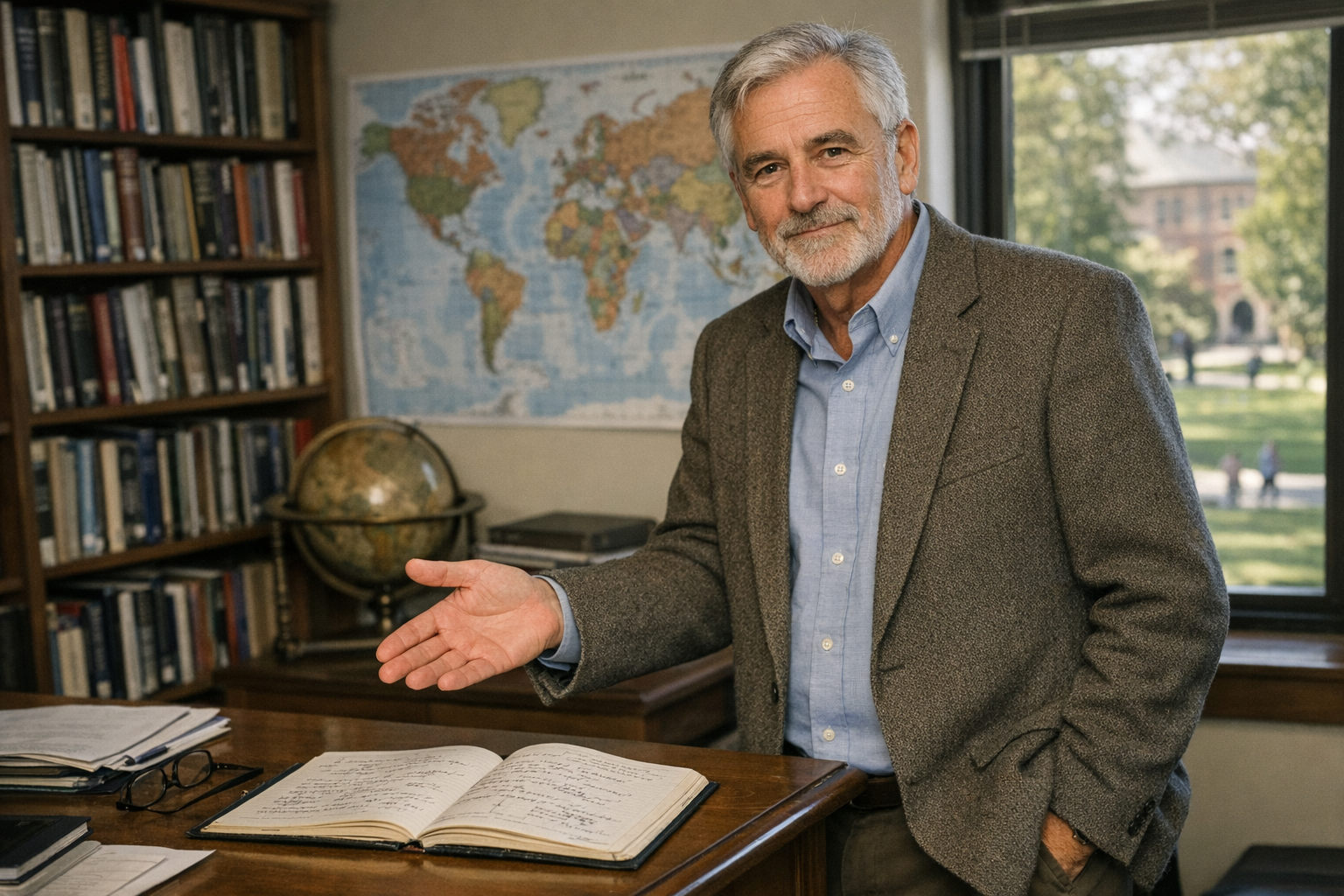
A longtime professor has provided forthright guidance aimed at students weighing a graduate degree in International Relations. The counsel, addressed to prospective applicants, emphasizes realistic appraisal of program goals, time commitment and career pathways. Rather than promising a single route to success, the advice frames graduate study as a set of trade-offs that students should map against professional aims, financial constraints and available mentorship.
The conversation arrives amid steady interest in advanced degrees and ongoing debate about their value for public, private and non‑profit careers. Applicants are urged to distinguish between research‑oriented programs and professionally focused offerings, and to consider program reputation, faculty fit and funding options when choosing where to apply. For readers seeking more resources, institutions and topical coverage can be found under the site tag international relations and practical admissions guidance under graduate school.
Common themes in this sort of guidance include prioritizing concrete skill development, assessing supervisory arrangements for thesis work, and building applied experience through internships or fieldwork. Prospective students are advised to evaluate whether a program’s curriculum aligns with desired competencies—language training, regional specialization, quantitative methods—or if alternative routes such as professional certificates or short courses could meet their needs more efficiently. Attention to funding prospects and realistic timelines is highlighted as critical to avoiding debt‑driven choices that may not advance long‑term goals.
For applicants, the practical takeaway is to research deliberately: review faculty publications, contact current students, and clarify post‑graduation outcomes before committing. Universities, in turn, face pressure to clarify program objectives and to offer transparent information about career trajectories and financial support. The professor’s plainspoken message underscores that a graduate degree can be transformative when chosen and managed with clear objectives, but it is not a universal solution and warrants careful, evidence‑based decision making.