









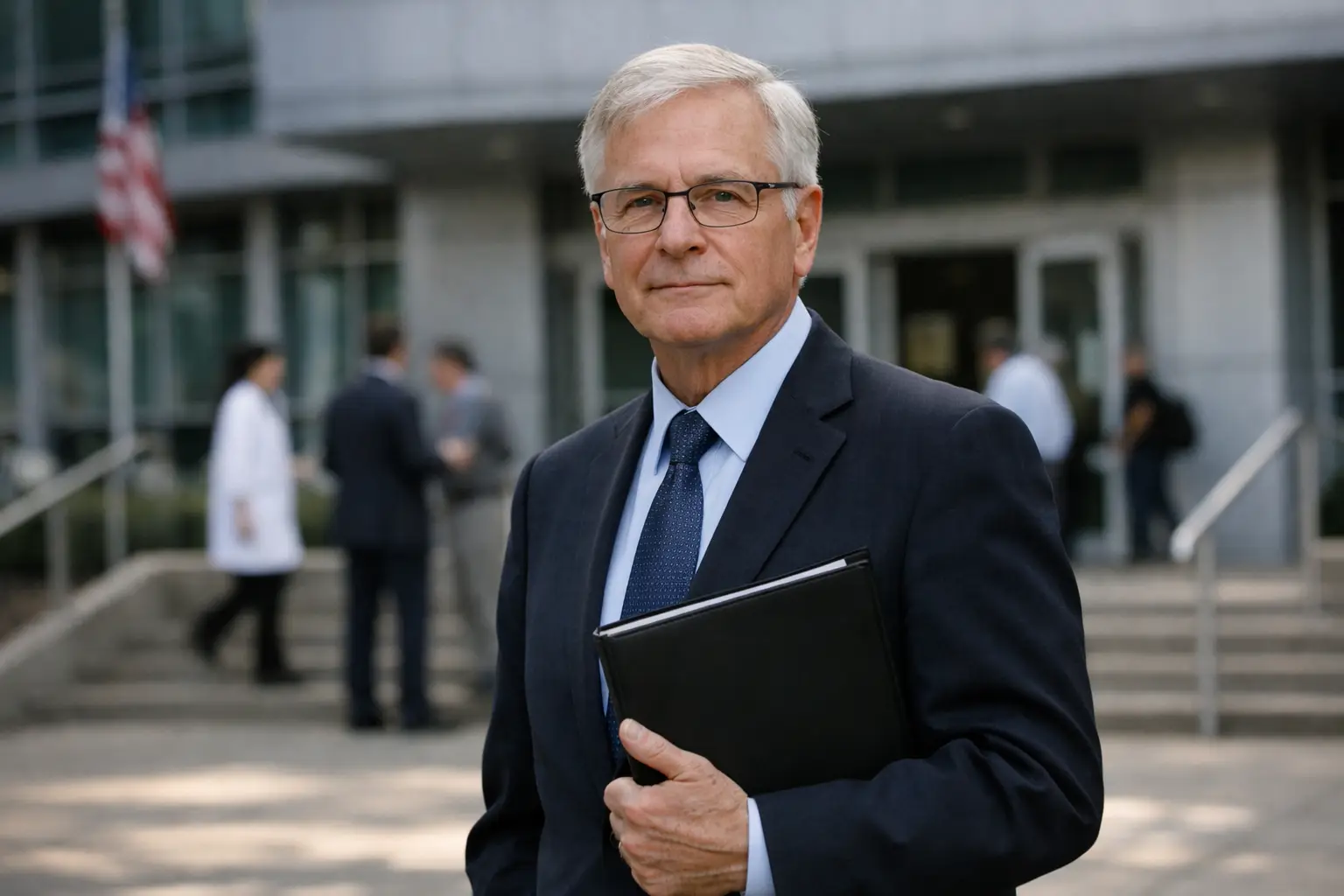
Steven Quay initially emerged in recent coverage as a potential candidate to lead the National Institute of Allergy and Infectious Diseases, the agency within the National Institutes of Health that oversees much of the United States’ infectious-disease research. Reports identified him as an advocate of the theory that the COVID-19 virus could have originated from a laboratory leak. Those familiar with the deliberations now say he is no longer the leading choice for the post once held by Anthony Fauci.
The shift in consideration follows scrutiny of Mr. Quay’s professional profile: he is a biopharmaceutical executive without formal training or a career record in infectious-disease practice or academic epidemiology. A person with knowledge of the discussions told STAT that while Quay had been under active consideration, the expected next step is a narrower engagement in which he would serve in an advisory or consulting capacity for the institute rather than as its director.
Officials at the White House and the Department of Health and Human Services did not provide comment when contacted, and Mr. Quay did not respond to requests for statement. STAT’s reporting has been cited in accounts of the personnel deliberations; the outlet attributed these updates to sources familiar with the selection process. The director role at NIAID remains a high-profile appointment with implications for research priorities and the institute’s public-facing scientific leadership.
The episode highlights the complexity of senior appointments that intersect scientific expertise, public controversy over the origins of the COVID-19 pandemic and institutional continuity at a major federal research agency. With the selection process continuing, attention is likely to remain on candidates’ backgrounds in infectious-disease science and on how advisory roles may be used as alternatives to full directorships as the agency seeks stable leadership going forward.