









Belgium likes to present itself as the laboratory of European compromise. Yet, behind this reassuring image lies a more worrying reality: never in several decades has the country appeared so politically, socially, and culturally fragmented.
Recent developments in the Belgian political landscape reveal a major underlying trend: the multiplication of divides. Flemish versus French-speakers. Regions versus federal power. Metropolises versus peripheries. Urban voters versus rural voters. As these fractures accumulate, the State’s capacity to produce a common vision weakens.
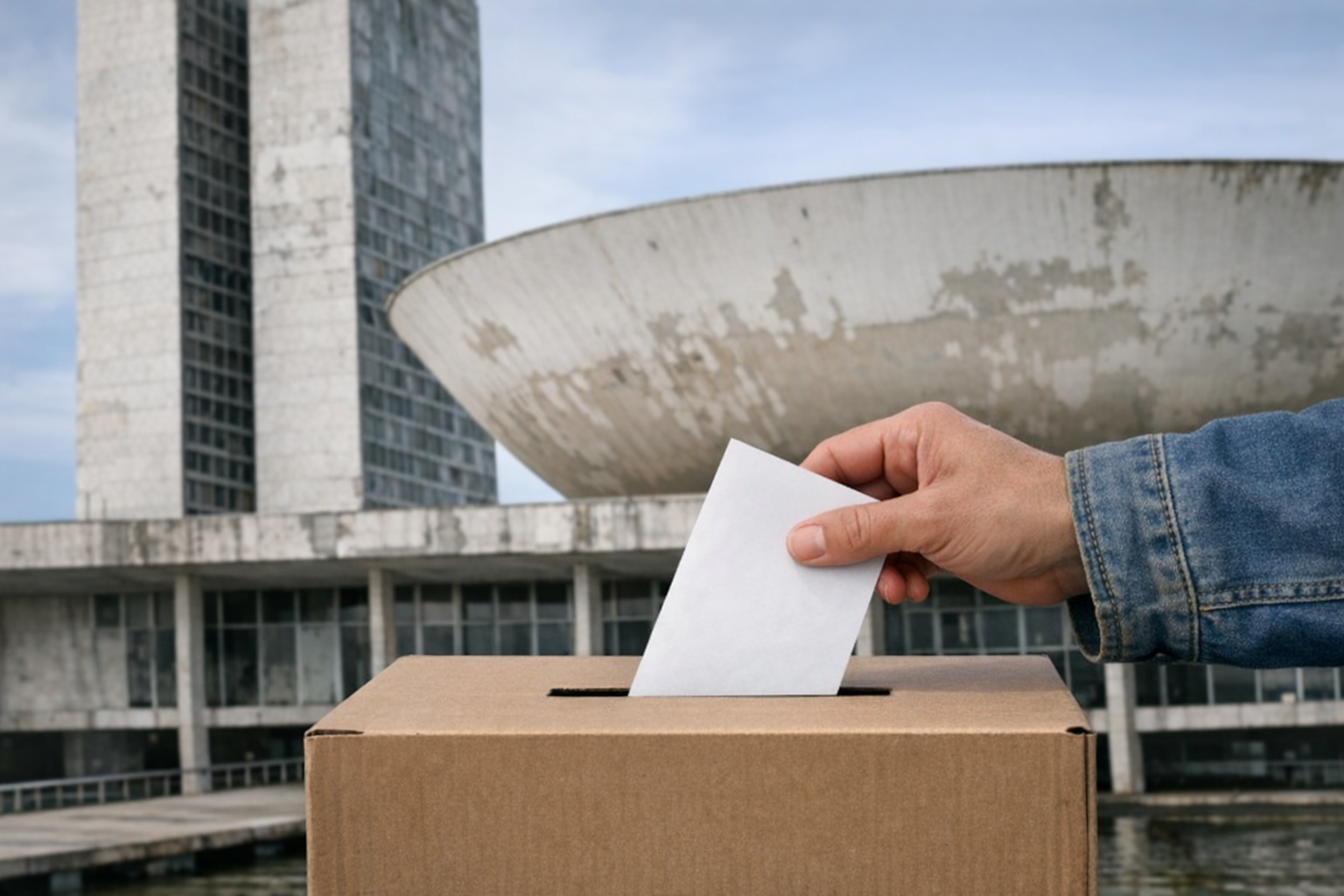
The problem is not only institutional. It is democratic. A growing portion of the population no longer recognizes itself in traditional parties. Citizens feel that decisions are made far from their daily concerns. This distrust feeds extremes, encourages simplistic rhetoric, and weakens the political center.
Brussels perfectly illustrates this paradox. Capital of Europe, global city, symbol of multiculturalism, it is also confronted with major challenges: insecurity, housing, mobility, and social cohesion. However, political responses often struggle to move beyond partisan logic.
Belgium is not yet ungovernable. But it is walking a tightrope. The compromise mechanisms that have long ensured its stability are now showing their limits in the face of increasingly polarized societies.
The real danger does not lie in the differences between communities. A democracy can live with its differences. The danger appears when citizens stop believing that a collective project is still possible.
The question is therefore no longer how to preserve institutional balances. It is how to rebuild a common ambition capable of transcending partisan, regional, and communitarian affiliations.
Without this, Belgium risks becoming the very example of a country that still functions administratively but struggles more and more to truly form a nation.
By Isaac Hammouch