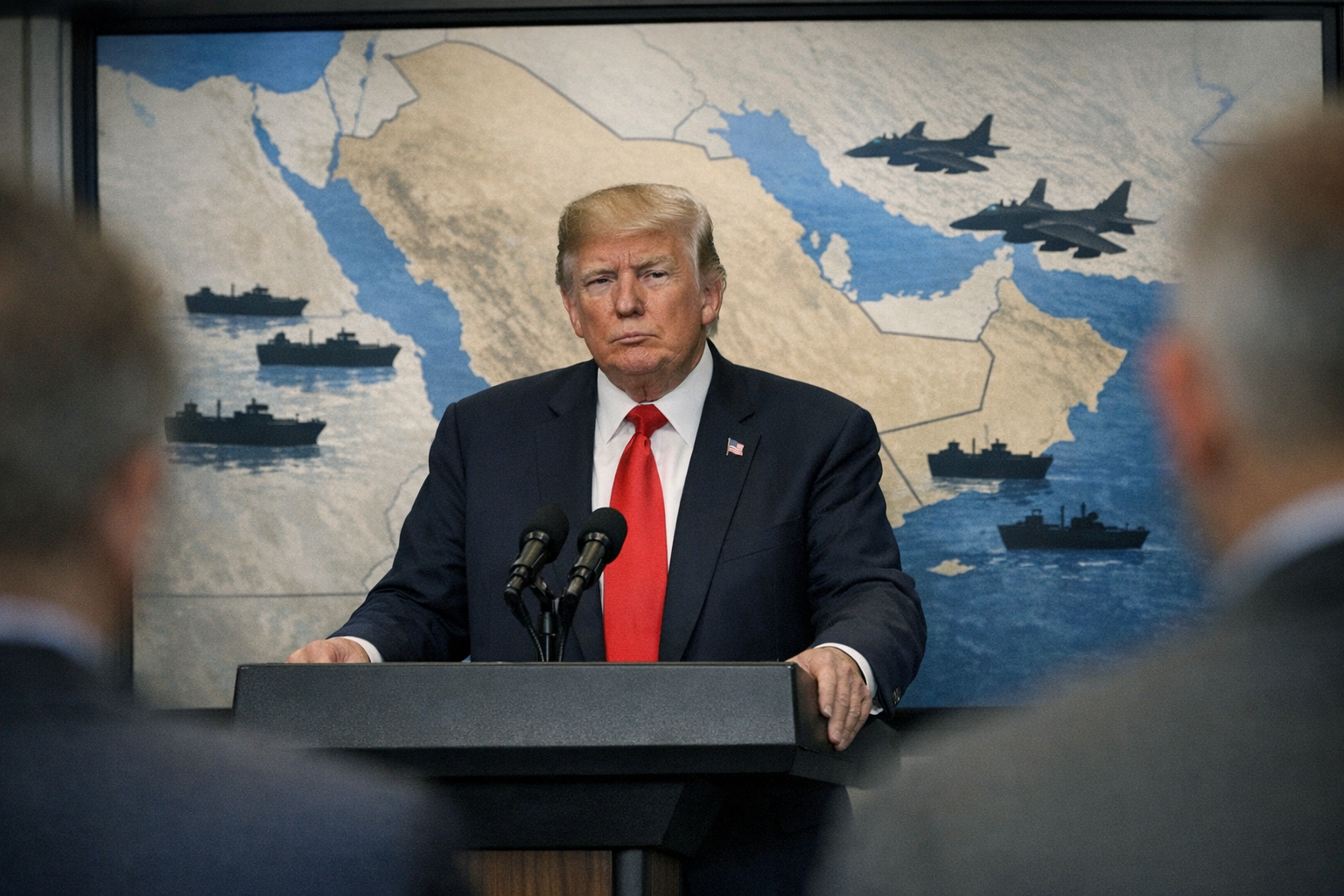


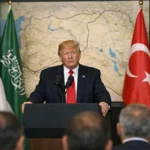


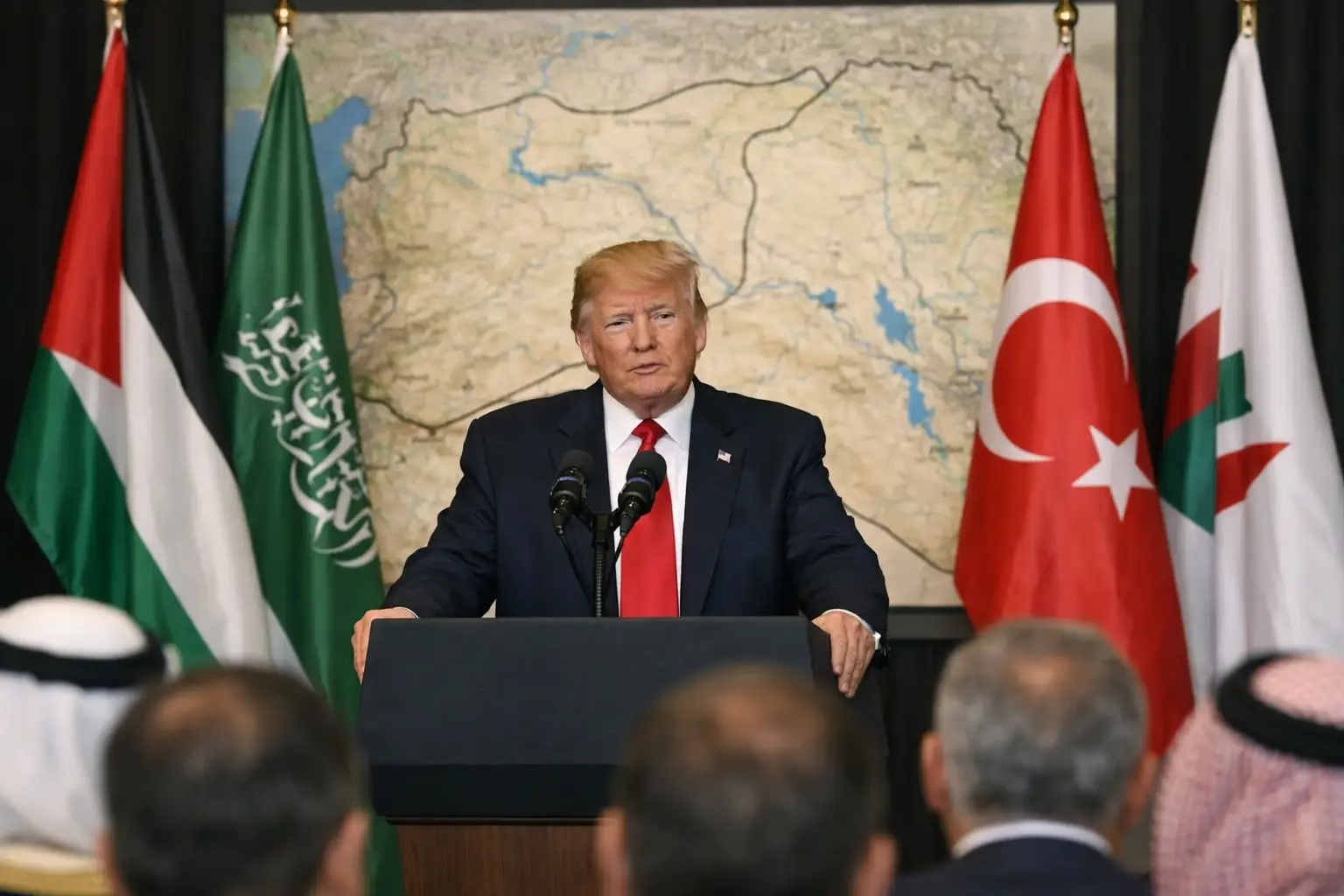
Trump’s regional integration approach has relied on strengthened relations with Gulf partners and Ankara, alongside operational advances in Syria, to foster a more coordinated regional posture. This strategy, associated with Donald Trump and senior US policymakers, treats partnerships as a means to align security and diplomatic objectives across the Middle East. At the same time, Tehran’s reach and the ever-present risk of renewed hostilities in Iraq present a parallel set of obstacles that limit the pace and scope of any integrative effort.
Closer coordination with the Gulf states and Turkey has provided diplomatic channels and security frameworks that are central to the wider plan. Those ties have facilitated joint operations, intelligence exchanges and political consultations that Washington hopes will reduce unilateral gaps and create common ground among regional actors. The partnerships also serve economic and logistical objectives that underpin longer-term stability, even as each partner pursues distinct national interests.
On the ground, developments in Syria have been presented as proof that targeted military and diplomatic efforts can alter local dynamics. Gains made against extremist groups and shifts in territorial control have given the United States and its partners leverage in negotiations and in shaping post-conflict arrangements. That leverage has been deployed to encourage cooperation on border security, counterterrorism and humanitarian access, feeding into the broader integration agenda without resolving all underlying tensions.
Despite these building blocks, progress in Iraq remains fragile owing to Iran‘s entrenched influence and the potential for renewed conflict. Those factors complicate efforts to cement regional alignments and require sustained diplomatic engagement with local authorities and external actors. Moving forward, any durable integration will depend on balancing competing interests, preventing escalation, and securing buy-in from national governments across the region — a task as political as it is strategic.