







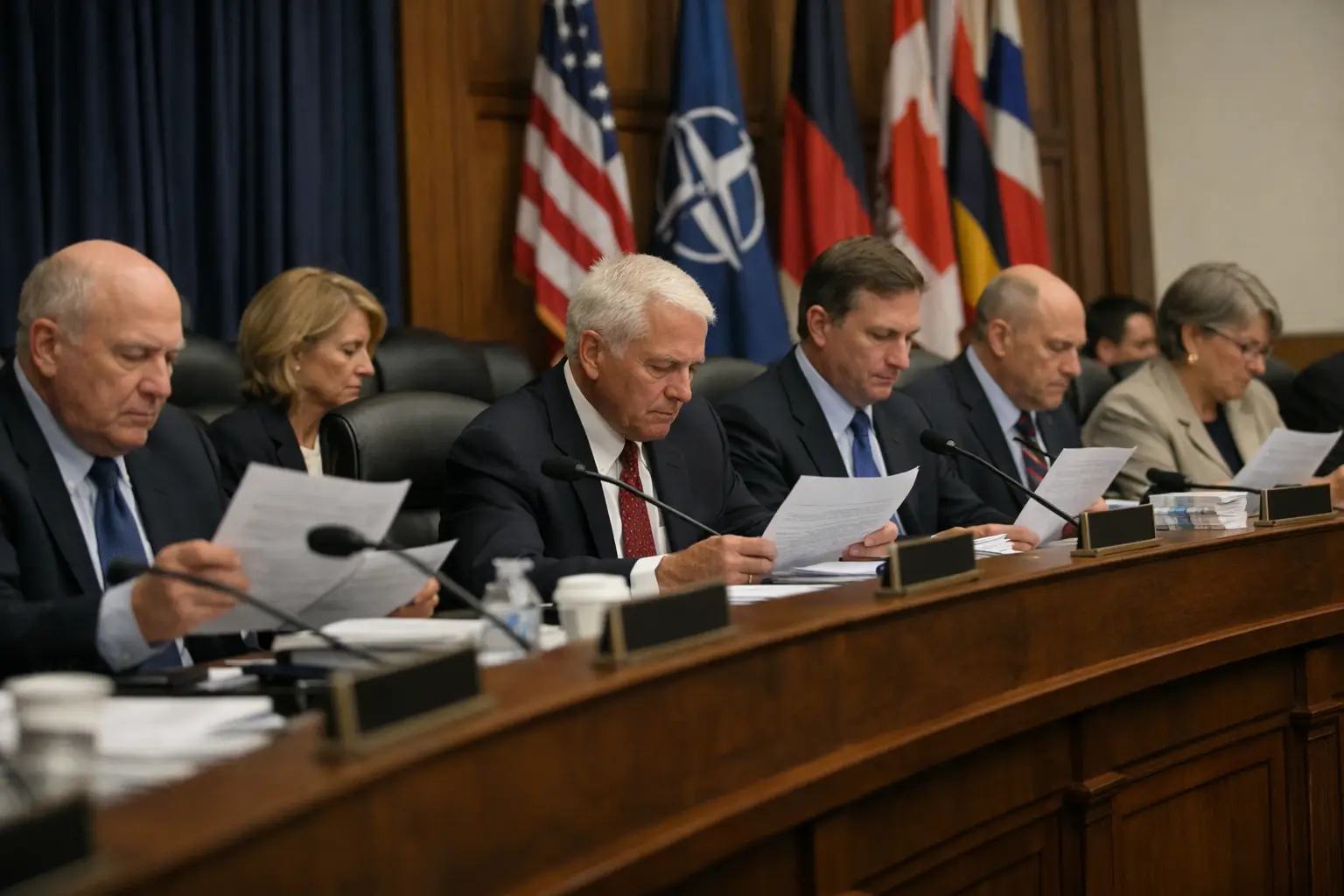
America’s alliance system is entering a political test that reaches beyond campaign rhetoric and into the practical work of governing. The U.S. Congress retains significant power over defence policy, budgets and oversight, giving lawmakers a central role in protecting the credibility of United States commitments abroad. At a time when pressure on allies has become part of the domestic debate, the question is not only what the White House says, but how far Congress is willing to act.
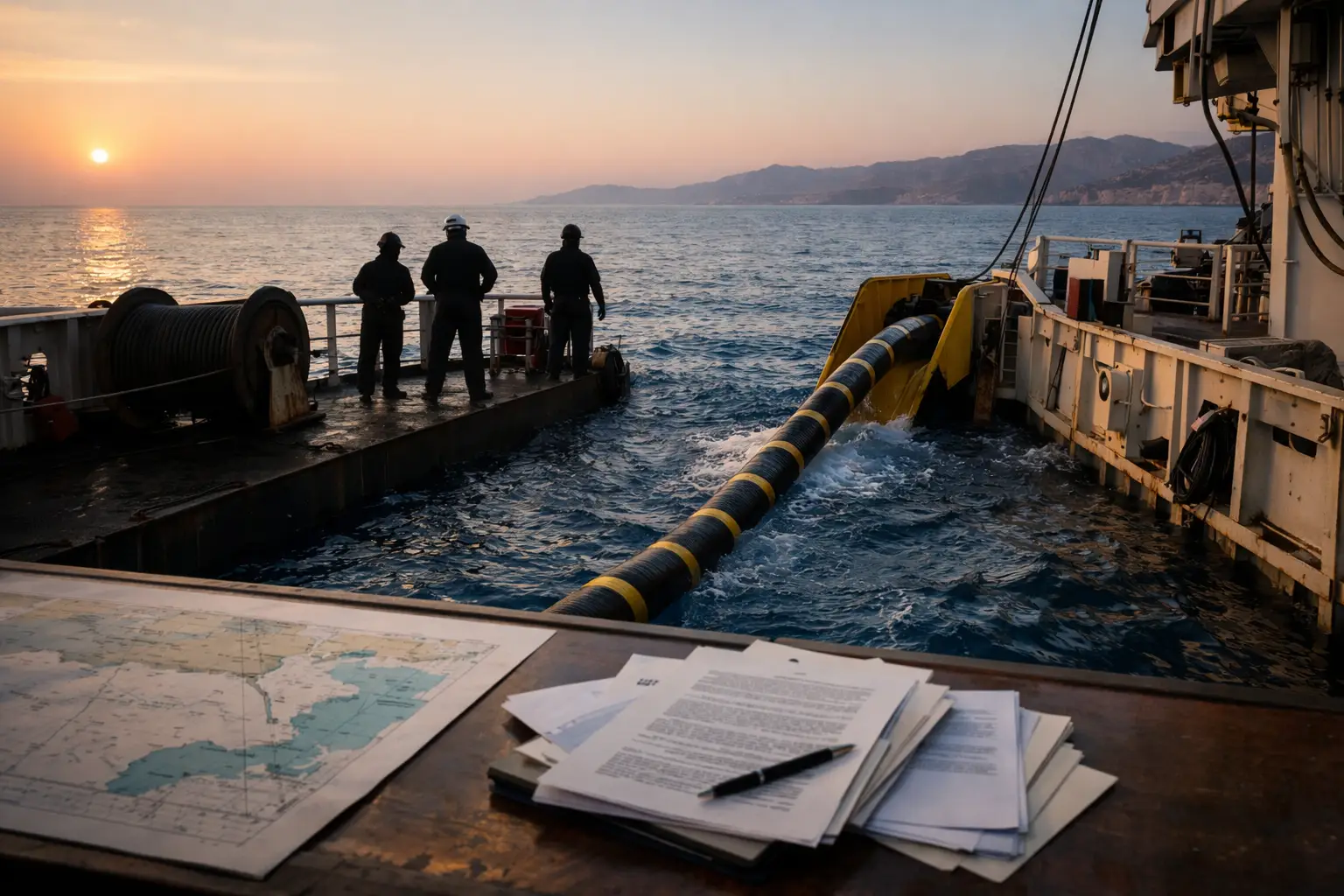
One immediate area is defence industrial cooperation. Alliances are no longer measured only by treaties or summit communiqués; they also depend on the ability of partners to produce, maintain and supply military equipment at scale. Congressional decisions on procurement, export controls, authorisations and funding can either accelerate cooperation with allied industries or leave partners facing delays and uncertainty. For countries that rely on American systems, predictability in Washington is itself a strategic asset.
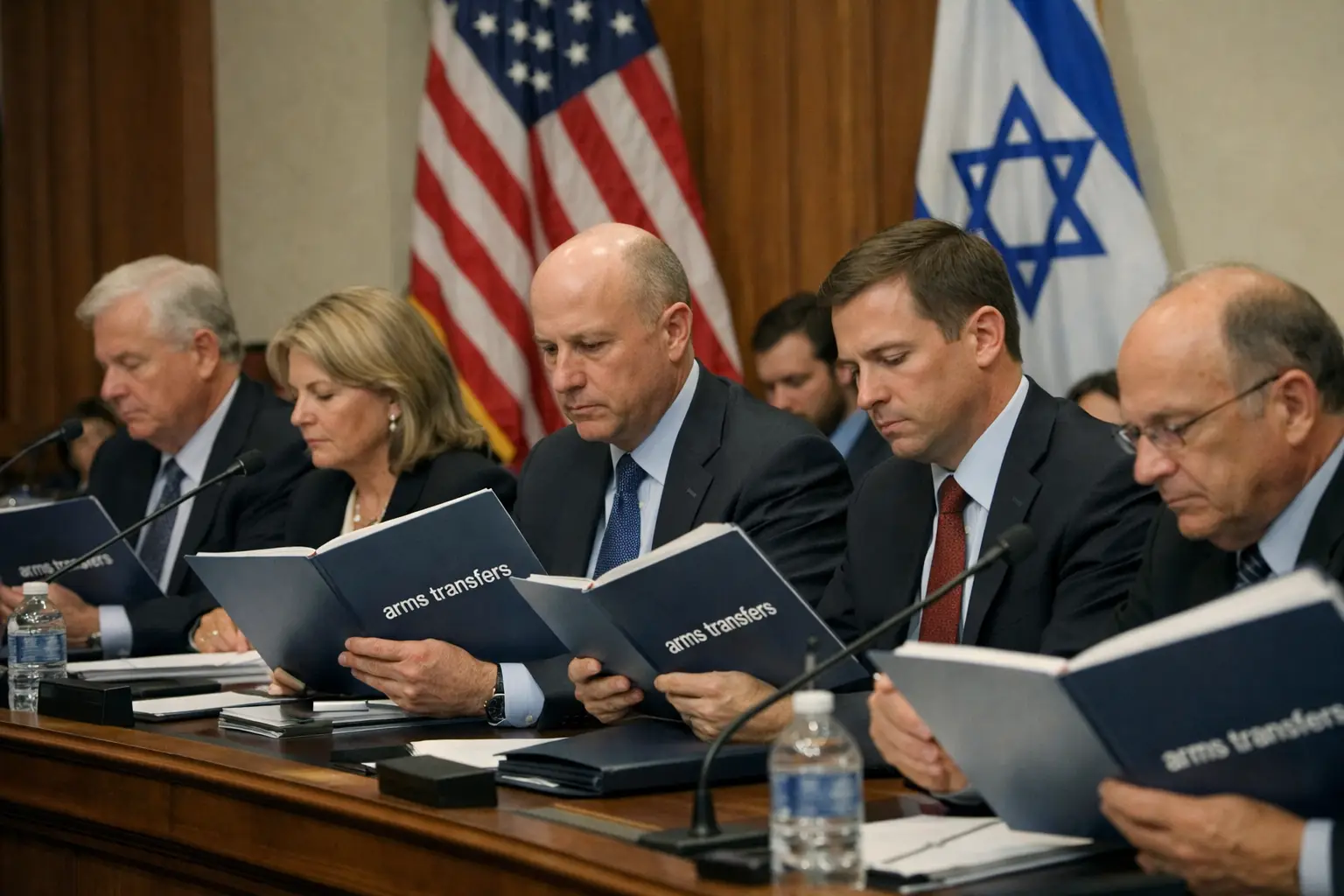
The issue has gained urgency because of Donald Trump and his approach to relations with allies. Efforts to use coercive pressure against partners risk weakening confidence in the alliances that have underpinned U.S. security policy for decades. Congress has tools to respond: hearings, legislation, conditions on appropriations and oversight of executive action. These mechanisms cannot eliminate political conflict, but they can draw clearer boundaries around the use of American power in dealings with friendly governments.
For lawmakers, the challenge is to link political safeguards with practical cooperation. Strengthening joint production, improving coordination with allied defence sectors and reducing bottlenecks in military supply chains would show that commitments are backed by capacity. In the context of NATO and other partnerships, such steps would also signal that U.S. alliances remain anchored in institutions rather than personal pressure. That distinction matters to governments planning long-term security investments.
The debate places Congress at the centre of a broader contest over America’s role in the world. Defence cooperation offers a concrete way to reinforce alliances, while oversight can limit attempts to turn security relationships into instruments of political coercion. If lawmakers want to preserve U.S. influence, they will need to treat alliances not as abstract symbols, but as systems requiring legislation, funding and constant maintenance.