

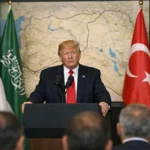


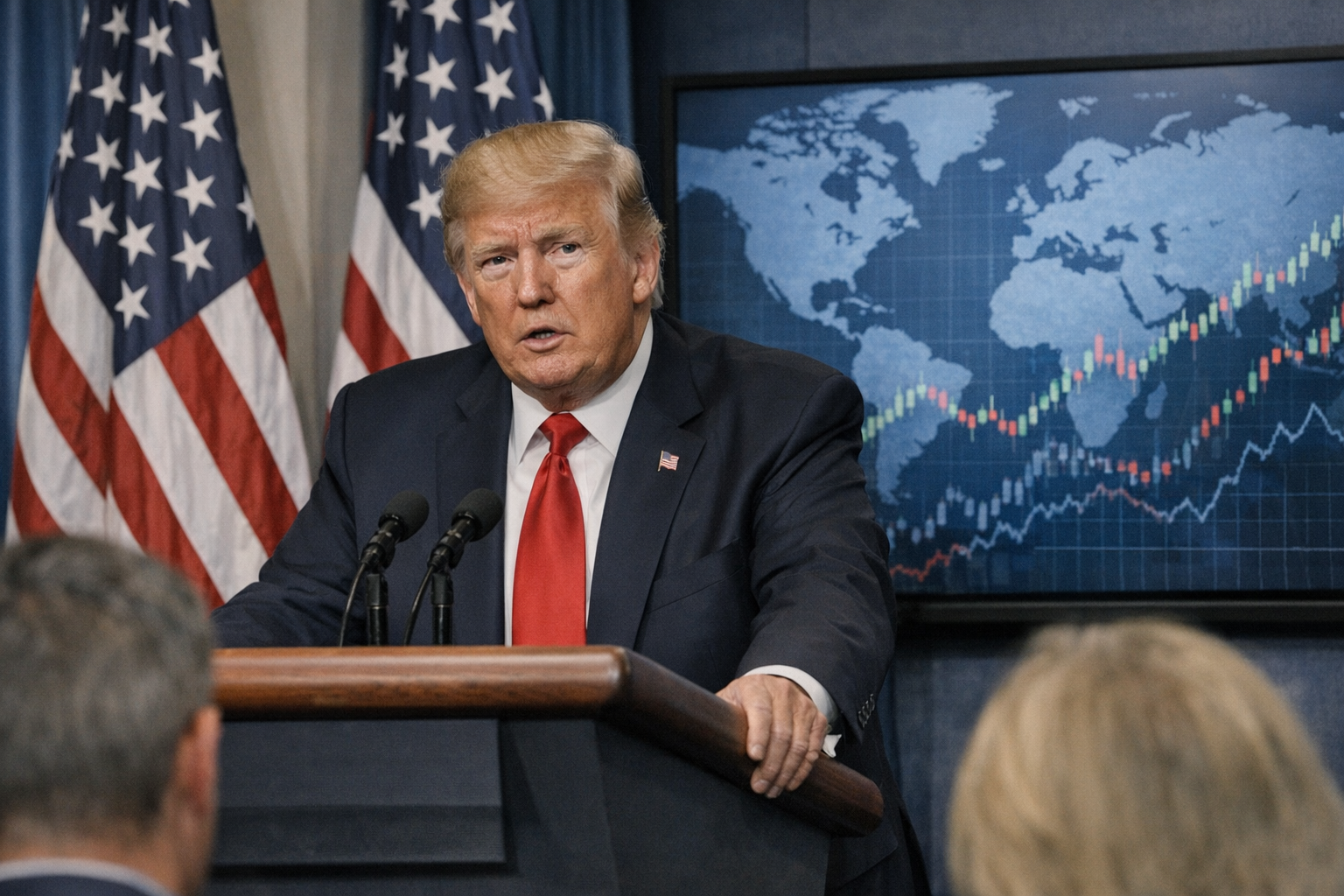
Observers say Trump’s time in office produced changes that continue to shape debates about the resilience of the United States. Commentators and analysts point to a series of policy choices and public actions that they argue affected institutional norms, international partnerships and public confidence in governance. The conversation spans foreign and domestic arenas and remains central to ongoing political discussion.
On the international stage, critics highlight a pattern of abrupt policy shifts and high-profile withdrawals from multilateral commitments. The administration’s decision to leave the Paris climate accord and its frequent challenges to collective defence arrangements drew particular attention. Observers note tensions with longstanding partners and cite disruptions in trade relations after the imposition of tariffs and renegotiation of major trade pacts. Such moves, they say, altered perceptions of U.S. predictability abroad; key alliances and forums have featured in reassessments of American strategy, including debates around NATO.
Domestically, scrutiny centred on institutional appointments and the tone of political discourse. The presidency oversaw a significant number of federal judicial appointments, including to the Supreme Court, reshaping the judiciary’s composition. The administration’s response to public health challenges, notably to COVID-19, attracted widespread analysis from health officials and scholars. Immigration policy, regulatory rollbacks and administrative reorganization also prompted discussion about the balance between executive authority and institutional safeguards; official actions from The White House were closely examined in that context.
Economic and regulatory shifts formed another focal point. Supporters argue that tax and deregulatory measures stimulated parts of the economy, while critics emphasize uncertainty tied to trade disputes and policy reversals. Environmental regulation changes and the treatment of federal agencies such as the EPA prompted debate over long-term governance priorities. Analysts continue to track how these choices interact with market confidence, investment decisions and regulatory predictability across sectors, including energy and manufacturing; discussions link these developments to broader questions about the nation’s competitive posture.
Assessments differ across political lines, and the legacy of this period remains contested. What is clear is that the presidency prompted re-evaluations of diplomatic ties, institutional practices and policy directions that will inform political and legal debates ahead of future elections and governance cycles. These ongoing conversations are central to understanding contemporary U.S. politics and policy-making.